

 Image: Reuters
AI's growing role in warfare prompts comparison to WWI chemical weapons
Translated from Czech and summarized by DistantNews. Read the original for the full story.
At a glance
News
Sources not specified
New plan
- President Volodymyr Zelenskyy previously halted plans for an AI-driven drone attack on Moscow airports.
- The proposed attack was intended to be the first independent military action by robots.
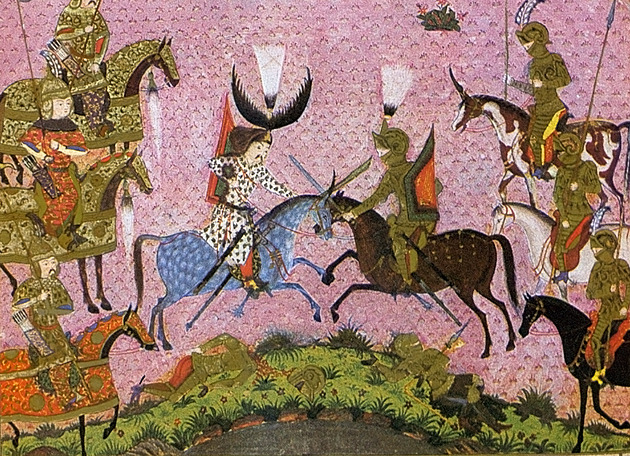
- The article draws a parallel between the potential impact of AI in warfare and the introduction of chemical weapons in WWI.
The increasing integration of artificial intelligence into warfare has prompted comparisons to historical turning points in military strategy, such as the introduction of chemical weapons during World War I. This analogy highlights the potentially transformative and disruptive nature of AI on the battlefield.
President Volodymyr Zelenskyy reportedly halted plans for a significant AI-driven operation: a coordinated drone attack targeting all Moscow airports. This proposed action, if carried out, would have marked a new era in military history as the first instance of autonomous military robots executing a large-scale, independent mission.
The decision to halt such plans underscores the complex ethical and strategic considerations surrounding the deployment of AI in conflict. While AI offers potential advantages in speed, precision, and reduced risk to human soldiers, its autonomous capabilities raise profound questions about accountability, control, and the potential for unintended escalation.
The comparison to World War I's introduction of chemical weapons serves as a stark reminder of how new technologies can fundamentally alter the nature of warfare, often with devastating and unforeseen consequences. As AI continues to evolve, its role in military applications will likely remain a subject of intense debate and scrutiny.
About this summary
Originally published by iDNES in Czech. Translated, summarized, and contextualized automatically by DistantNews, with a note on how the source frames the story. Not individually reviewed before publishing. How this works.
More Stories


From Our Blog

What Gets Lost (and Found) When News Is Translated

The Critical Role of Diaspora Media in Global News

What Travellers Should Know About Countries with Restricted Press

A Digital Nomad's Guide to Following Local News

How the Same Story Looks Different in Different Countries
