


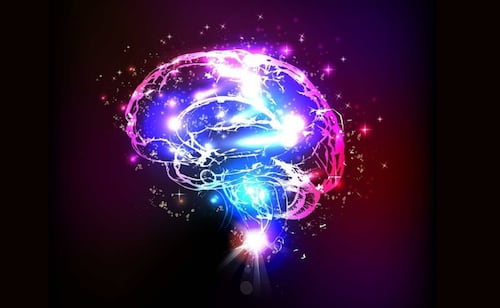
AI's impact on the human mind: Experts warn of declining cognitive agility
Translated from Spanish, summarized and contextualized by DistantNews.
At a glance
News
Named sources
Context piece
- Excessive use of artificial intelligence may weaken human memory and critical thinking skills, according to Spain's Royal National Academy of Medicine.
- AI's ability to automate tasks can lead to reduced activity in brain regions responsible for learning and memory consolidation.
- Experts recommend limiting AI use in initial drafting and analysis, favoring it as a verification tool instead.
The increasing integration of artificial intelligence into academic and professional life, while easing workloads, is transforming fundamental human cognitive processes. Spain's Royal National Academy of Medicine (RANM) has issued a warning, stating that "excessive use of artificial intelligence weakens our memory and reduces our ability to think critically and solve problems independently."
This phenomenon stems from the brain's natural tendency to conserve energy when automated solutions are readily available. When digital platforms can process, structure, and draft information, the activity in specific brain regions notably decreases. This directly impacts the consolidation of long-term memory and hinders the development of essential analytical skills.
The "Google effect," or cognitive outsourcing, plays a significant role. The brain, assuming information is perpetually accessible externally, reduces the effort needed to encode and store data. Academic research, including studies highlighted by the National Autonomous University of Mexico (UNAM), indicates that the hippocampus's activity lessens with constant, direct interaction with AI systems.
Furthermore, digital multitasking contributes to attention fragmentation. Continuous stimuli from screens shorten periods of deep concentration, which are vital for meaningful learning. Delegating complex problem-solving and content creation to algorithms diminishes critical thinking due to a lack of active practice and consistent neural stimulation.
However, the brain's plasticity offers a path to reversing these effects. Specialists advocate for implementing habits that encourage intellectual work. Recommendations include limiting AI's role in initial drafting and basic analysis, positioning it primarily as a verification tool rather than a substitute for human reasoning. Practicing active recall, forcing memory retrieval before consulting external sources, and incorporating digital detox periods alongside activities like deep reading are crucial for strengthening mental processes.
DistantNews Editorial
Originally published by El Universal in Spanish. Translated, summarized, and contextualized by our editorial team with added local perspective. Read our editorial standards.
More Stories


From Our Blog

What Press Freedom Means for the News You Read

What Gets Lost (and Found) When News Is Translated

The Critical Role of Diaspora Media in Global News

What Travellers Should Know About Countries with Restricted Press

A Digital Nomad's Guide to Following Local News
