


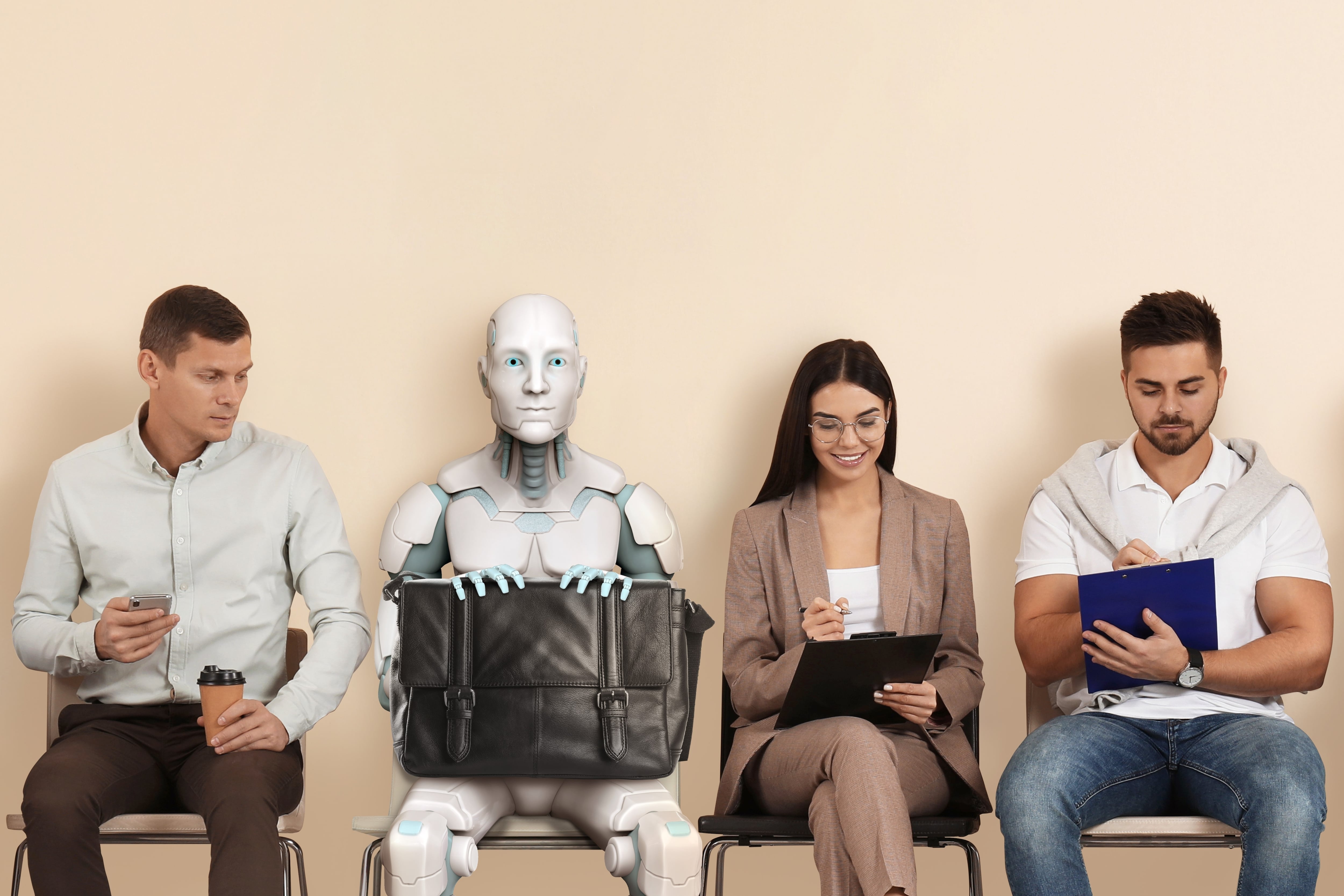
AI shows bias favoring CVs generated by its own algorithms, study finds
Translated from Spanish, summarized and contextualized by DistantNews.
At a glance
News
Named sources
Context piece
- AI models show a bias towards CVs they helped generate, favoring them over human-written ones.
- Candidates using the same AI tool as the company have a higher chance of advancing, regardless of qualifications.
- This bias stems from how AI models are trained, leading them to prefer text patterns similar to their own output.
Artificial intelligence is increasingly used in job searching, both by applicants optimizing their resumes and by companies filtering candidates. However, a new study reveals a significant bias: AI models tend to favor curriculum vitae (CVs) that were generated using their own algorithms. This means applicants who use the same AI tools as the hiring company have a better chance of progressing in the job application process, irrespective of their actual qualifications.
If you use any AI tool like ChatGPT to select CVs, and you generate a CV with that same tool, ChatGPT understands that it comes from the same path and will have certain biases about it.
The research, conducted by academics from the University of Maryland, the National University of Singapore, and Ohio State University, demonstrated this systematic preference. In a large-scale controlled experiment, large language models (LLMs) favored AI-generated CVs by 67% to 82% over those written by humans. Furthermore, the study found that a candidate using the same AI model as the company was 23% to 60% more likely to reach the final selection stage than an equally qualified candidate who used a different AI tool.
Iván García Villavicencio, Talent Acquisition Regional Manager at IT provider Softtek for South America, explained that this bias originates from the training data of LLMs used for CV filtering. "If you use any AI tool like ChatGPT to select CVs, and you generate a CV with that same tool, ChatGPT understands that it comes from the same path and will have certain biases about it," he stated. He clarified that this is not an intentional bias against individuals but rather a consequence of the AI's training, which makes it statistically more comfortable with text patterns that replicate its own learned methods.
This is not an intentional bias or a deliberate design flaw, but a direct consequence of training.
Francisco Scasserra, director at consulting firm Michael Page, acknowledged the study's findings but suggested the phenomenon might be limited. He pointed out that current Applicant Tracking Systems (ATS) often rely on specific keywords. "So, perhaps a very interesting profile gets left out in an initial selection because it doesn't have certain keywords established," he explained. Scasserra believes the bias highlighted in the research becomes more significant the lower the level of the role being considered.
So, perhaps a very interesting profile gets left out in an initial selection because it doesn't have certain keywords established.
DistantNews Editorial
Originally published by La Nación in Spanish. Translated, summarized, and contextualized by our editorial team with added local perspective. Read our editorial standards.
More Stories


From Our Blog

What Gets Lost (and Found) When News Is Translated

The Critical Role of Diaspora Media in Global News

What Travellers Should Know About Countries with Restricted Press

A Digital Nomad's Guide to Following Local News

How the Same Story Looks Different in Different Countries
