


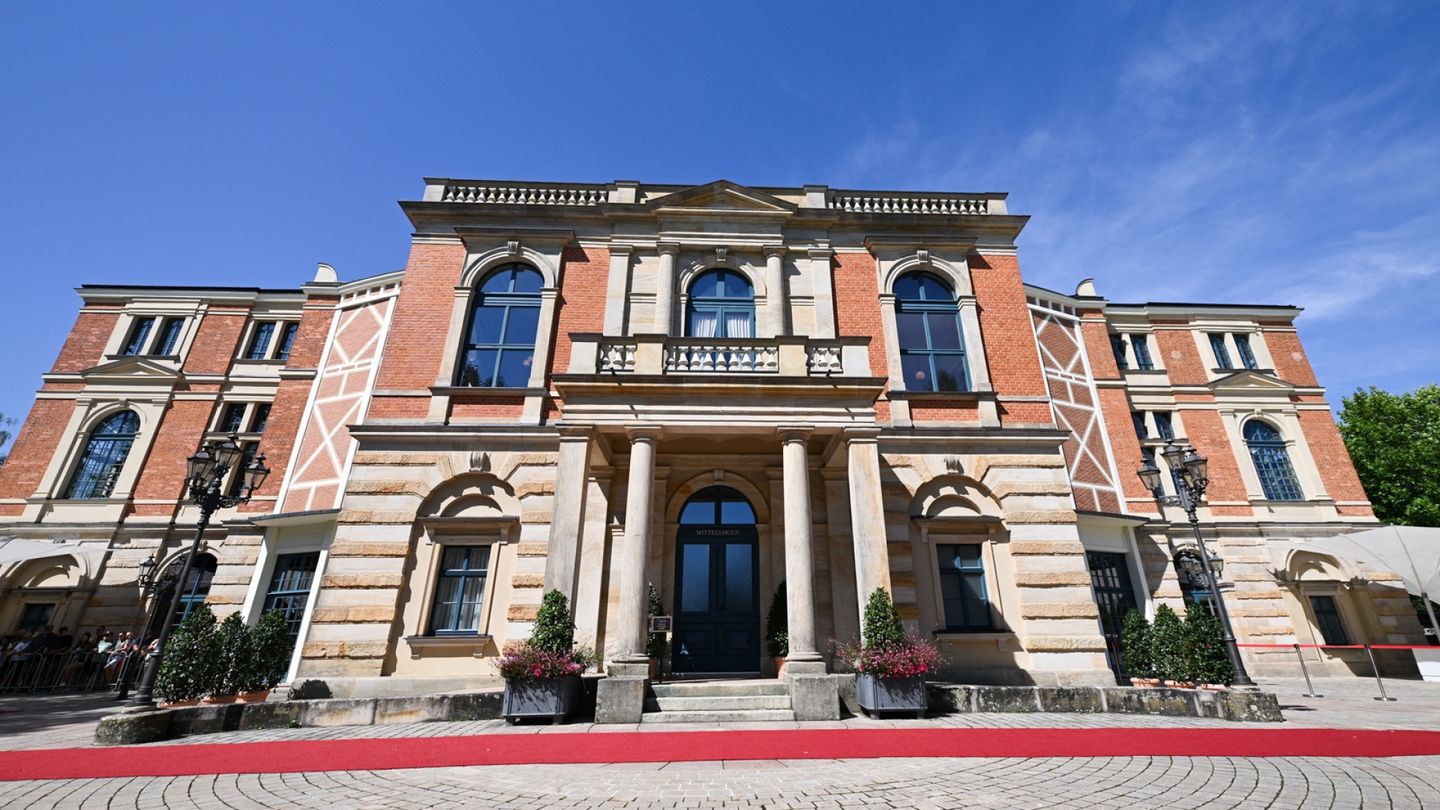
AI stage design at Wagner festival sparks outrage, disappointment
Translated from Finnish, summarized and contextualized by DistantNews.
At a glance
News
Named sources
Context piece
- A famous Wagner festival in Bayreuth, Germany, used an AI-generated stage design for Richard Wagner's Ring cycle, marking the event's 150th anniversary.
- Festival-goer Panu Eskola Saaristo described the experience as a
The 150th anniversary of the Bayreuth Wagner Festival was marred by controversy over its innovative use of artificial intelligence for stage design. The festival presented Richard Wagner's Ring cycle with an AI-generated concept, a move that deeply disappointed attendees like Panu Eskola Saaristo.
Disappointment or catastrophe, perhaps a scandal. The singers and orchestra were fantastic, but otherwise the experience was extremely painful
Saaristo, a devoted opera enthusiast, found the experience "painful," comparing it unfavorably to a puppet show or sign language performance. He noted that while the singers and orchestra were exceptional, the overall production was a "disappointment, catastrophe, perhaps a scandal." The AI concept involved singers standing behind a curtain, performing to a real-time generated holographic, 3D environment projected onto a screen.
I could not have been more disappointed if The Twilight of the Gods had been made as a puppet show or in sign language.
This radical departure from traditional stagecraft has drawn criticism. The Financial Times likened the production to a "giant screensaver," praising the performers but deeming the stage design a "catastrophe." The festival's justification for the AI approach cited financial reasons, a rationale Saaristo dismissed as "lazy." He argued that the festival should have been more transparent with the audience about its financial constraints, believing that the public would have offered support.
The explanation is quite lazy, as there was no dialogue whatsoever between the event and the audience.
Saaristo concluded that the AI implementation was a significant failure for the festival, potentially jeopardizing its future. He urged the Bayreuth leadership to reflect on their approach, recalling past instances where the festival seemed dismissive of audience comfort, such as the lack of subtitles and restrictions on bringing personal cushions. "They have acted as they pleased, that has been their way of operating," he stated. Saaristo fears that the festival management might mistakenly believe this incident will be forgotten, emphasizing, "Such a completely unique experience will not be forgotten, and no one will forgive it."
It would have been considerably more honest to openly tell the audience that the situation is that the Bayreuth festival has no money and no budget for a large production. They would have received all the support from the audience.
DistantNews Editorial
Originally published by Helsingin Sanomat in Finnish. Translated, summarized, and contextualized by our editorial team with added local perspective. Read our editorial standards.
More Stories


From Our Blog

What Gets Lost (and Found) When News Is Translated

The Critical Role of Diaspora Media in Global News

What Travellers Should Know About Countries with Restricted Press

A Digital Nomad's Guide to Following Local News

How the Same Story Looks Different in Different Countries
