


AI Technology Dr Noon Predicts Heart Disease Risk Using Retina Scans
Translated from Indonesian, summarized and contextualized by DistantNews.
At a glance
News
Sources not specified
New plan
- A new AI-based retinal analysis technology called Dr Noon can predict cardiovascular disease risk from eye scans.
- Developed in South Korea, the technology analyzes retina images to identify Atherosclerotic Cardiovascular Disease (ASCVD) risk.
- The system, presented in Jakarta, also aids in detecting various eye health disorders through non-invasive screening.
A groundbreaking artificial intelligence technology named Dr Noon is set to revolutionize cardiovascular health screening in Indonesia. This innovative system analyzes retinal images to predict the risk of Atherosclerotic Cardiovascular Disease (ASCVD), offering a new, non-invasive approach to identifying potential heart problems.
Developed in South Korea, Dr Noon utilizes advanced AI algorithms to examine the intricate details within retina photographs. By studying these images, the technology can flag individuals at risk of ASCVD, a condition characterized by the buildup of plaque in arteries. This capability allows for early intervention, potentially preventing serious cardiac events.
The system's utility extends beyond cardiovascular risk assessment. Dr Noon can also assist in detecting a range of other eye health disorders. This dual functionality makes it a powerful tool for comprehensive health screening, identifying issues that might otherwise go unnoticed during routine check-ups.
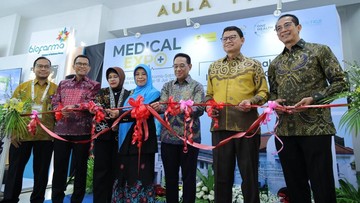
The introduction of Dr Noon in Indonesia was highlighted during a symposium in Jakarta titled "Novel Methods to Predict ASCVD Risk." The event featured insights from Dr. Sahil Thakur, a clinician scientist and ophthalmologist from Singapore, who discussed the burgeoning field of oculomics – the study of eye-related data for health insights. The symposium underscored the growing importance of leveraging technology like AI for proactive healthcare solutions.
DistantNews Editorial
Originally published by Republika in Indonesian. Translated, summarized, and contextualized by our editorial team with added local perspective. Read our editorial standards.
More Stories


From Our Blog

What Gets Lost (and Found) When News Is Translated

The Critical Role of Diaspora Media in Global News

What Travellers Should Know About Countries with Restricted Press

A Digital Nomad's Guide to Following Local News

How the Same Story Looks Different in Different Countries
