

AI to drive new tax model, says Aurangzeb; Pakistan eyes more Eurobonds, sukuk
Translated from English, summarized and contextualized by DistantNews.
At a glance
News
Named sources
Context piece
- Pakistan's Finance Minister Muhammad Aurangzeb announced a new AI-led tax administration model to minimize human intervention.
- The country is preparing to launch more Eurobonds and sukuk, following a successful Panda Bond issuance.
- The banking sector is deemed critical for Pakistan's sustainable growth, with increased lending to key sectors emphasized.
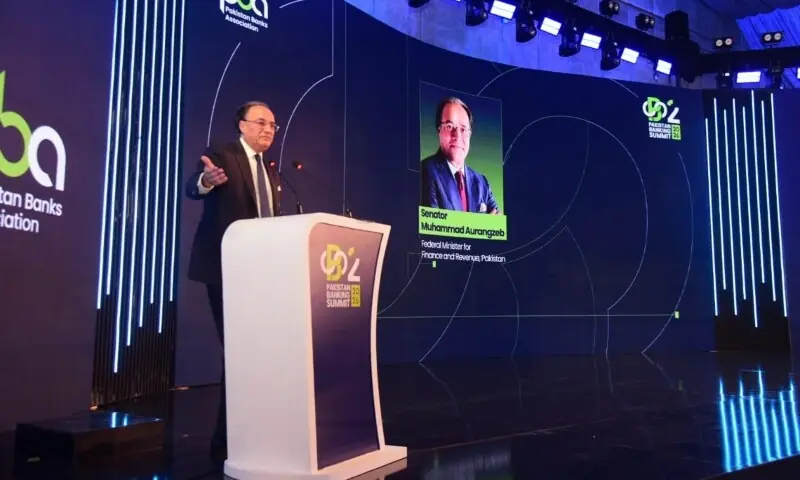
Pakistan is set to minimize human intervention in tax administration through a new Artificial Intelligence-led engagement model, Finance Minister Muhammad Aurangzeb announced Tuesday. Parliament has approved a new tax administration operating model that will see notices issued via AI systems, marking a significant digital shift in taxpayer interactions.
We focused on export-led growth, removing the advance tax, removing the super tax, low-cost subsidised financing and continuing with the tariff regime.
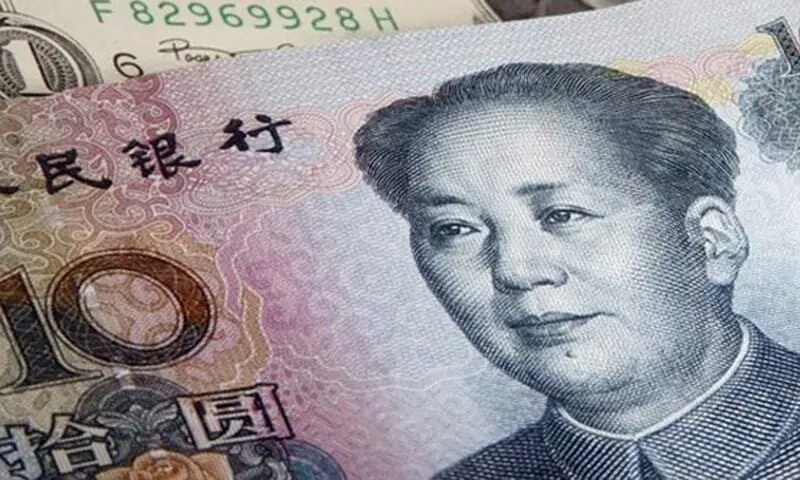
Aurangzeb expressed optimism about Pakistan's engagement with international financial markets. Despite a late entry into China's market, the country's Panda Bond issuance in mid-May 2026 was a notable success, attracting demand over five times its target and raising the yuan equivalent of $250 million. Pakistan is now preparing to issue more dollar-settled rupee-linked Eurobonds and sukuk, a novel instrument for the country, with requests for proposals already sent to international investors.
The banking industry would remain critical to Pakistan’s journey from stabilisation to sustainable growth.
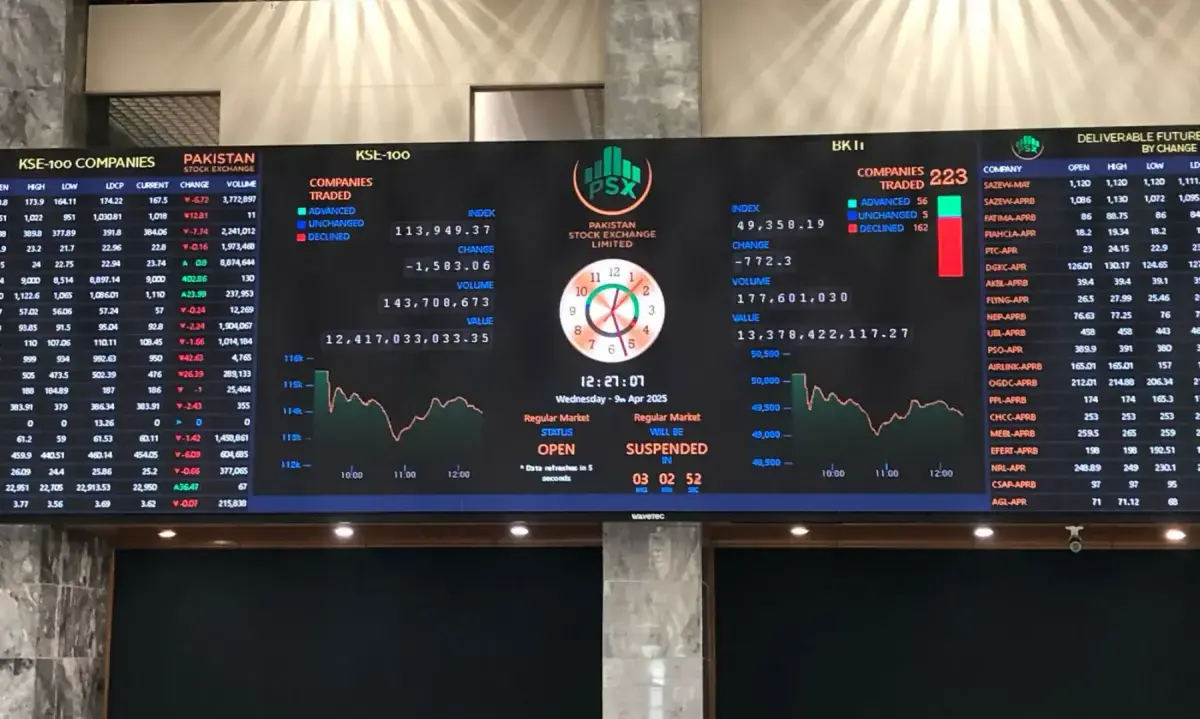
The finance minister highlighted the strong investor demand for Pakistan's re-entry into the international bond market after a four-year hiatus, which allowed for an increase in the Eurobond issuance size to $750 million. He also noted positive trends in the Pakistan Stock Exchange, with growing investor numbers, including Gen Z, and a return to double-digit corporate profitability.
Increased lending to SMEs, exporters, agriculture, manufacturing, construction and IT sectors would be mission-critical.
Discussing the recent budget, Aurangzeb emphasized a focus on export-led growth, the removal of advance and super taxes, and continued subsidized financing. He underscored the critical role of the banking industry in Pakistan's transition from stabilization to sustainable growth, calling for increased lending to SMEs, exporters, agriculture, manufacturing, construction, and the IT sector. The Chairman of the Pakistan Banks Association, Zafar Masood, corroborated the banking sector's significant contribution, noting substantial increases in credit lending to agriculture and housing, as well as benefits for SMEs.
The banking industry has a dominant role in the economy as it paid more than Rs1tr in taxes annually to the government.
DistantNews Editorial
Originally published by Dawn in English. Translated, summarized, and contextualized by our editorial team with added local perspective. Read our editorial standards.
More Stories
From Our Blog

What Gets Lost (and Found) When News Is Translated

The Critical Role of Diaspora Media in Global News

What Travellers Should Know About Countries with Restricted Press

A Digital Nomad's Guide to Following Local News

How the Same Story Looks Different in Different Countries
