


AI to shorten hospital selection time for emergency patients by 20 minutes
Translated from Korean, summarized and contextualized by DistantNews.
At a glance
News
Sources not specified
Ongoing story
- South Korea is developing an AI-powered system to improve emergency medical response times, aiming to reduce hospital selection time by 20 minutes.
- The 'Emergency Medical AX' initiative uses AI to analyze patient conditions and recommend optimal hospitals based on factors like severity, distance, and specialized care availability.
- The system is being piloted in Daegu and aims to address issues like 'emergency room뺑뺑이' (repeatedly being turned away from ERs) by streamlining the transfer process.
South Korea is advancing its emergency medical services with a new initiative, 'Emergency Medical AX,' leveraging artificial intelligence to significantly cut down the time it takes to select an appropriate hospital for critically ill patients.
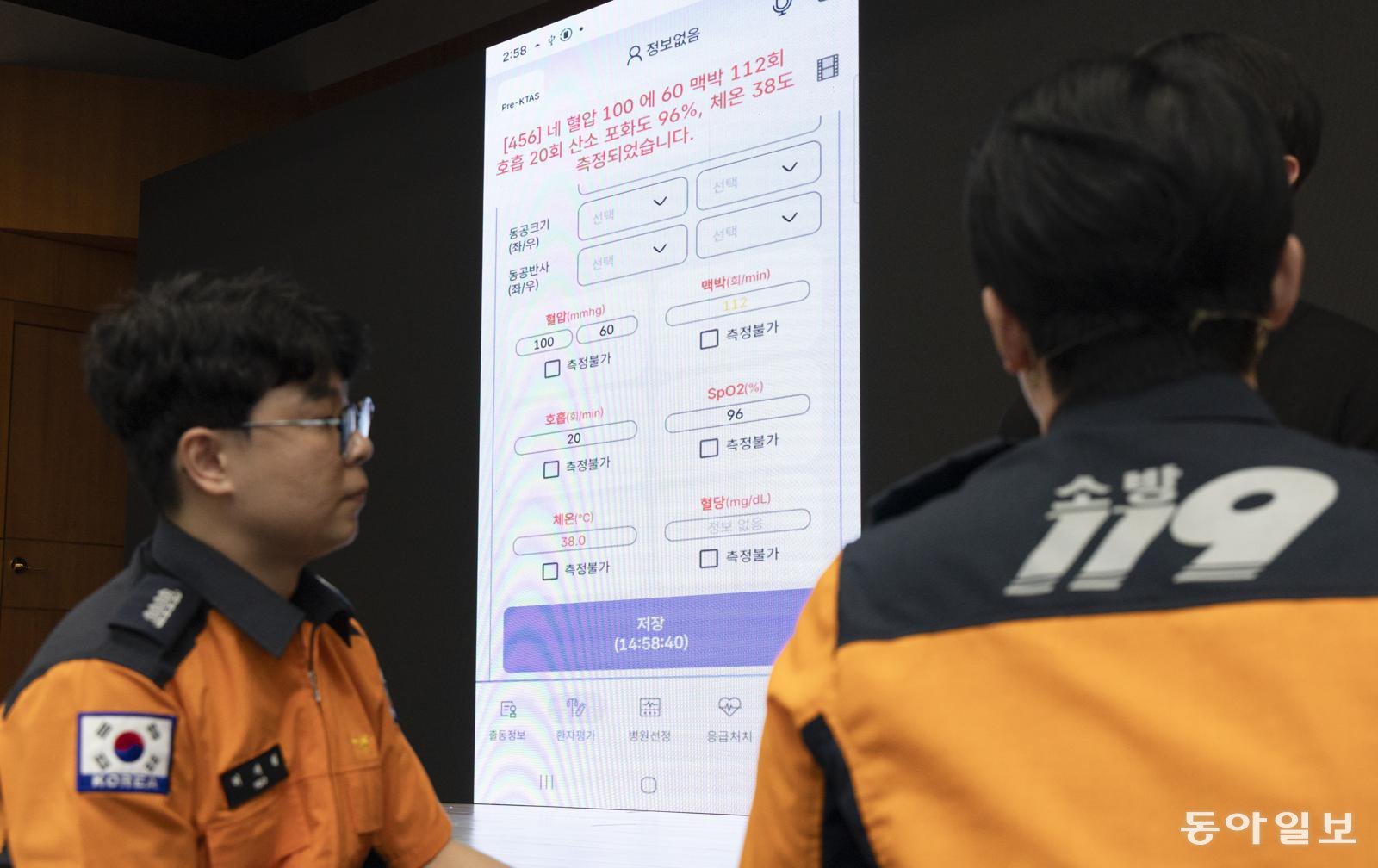
A demonstration at Kyungpook National University Hospital in Daegu showcased the AI's capabilities. When presented with a simulated cardiac arrest patient's information, the AI quickly analyzed the data and suggested Kyungpook National University Hospital, Daegu Catholic University Hospital, and Keimyung University Dongsan Hospital as priority transfer destinations. This selection was based on real-time assessments of emergency room capacity, transfer distance, and the availability of specialized treatment.
This AI-driven approach aims to tackle the critical issue of patients being repeatedly turned away from emergency rooms, a phenomenon known as 'emergency room뺑뺑이' in Korea. By automating and optimizing the hospital selection process, experts believe the system can reduce the time spent by paramedics on phone calls to multiple hospitals by up to 20 minutes. This speed is crucial for improving survival rates for time-sensitive conditions like heart attacks.
The events called 'emergency room뺑뺑이' are actually closer to 'phone뺑뺑이'. Our goal is to find the hospital that can provide the best treatment to the patient as quickly as possible, increasing the chances of survival.
The 'SAVE-R' platform, developed as part of a research project, not only assists paramedics but also facilitates seamless information sharing with medical staff upon arrival. The AI can automatically transcribe conversations into emergency logs and assess patient severity. A key advantage is enabling hospitals to see each other's real-time resource availability, fostering a collaborative spirit to ensure patients receive the best care quickly.
While the system shows great promise, its full effectiveness hinges on real-time data integration from hospital information systems and electronic medical records. Initial connections are established in Daegu, with plans for phased expansion to other medical institutions. A pilot program involving 30 ambulances in the Daegu region is set to begin soon, with the goal of validating the system's impact on actual emergency transports.
If other hospitals are facing difficulties, a community spirit can emerge where we think, 'We must accept this patient.'
DistantNews Editorial
Originally published by Dong-A Ilbo in Korean. Translated, summarized, and contextualized by our editorial team with added local perspective. Read our editorial standards.
More Stories


From Our Blog

What Gets Lost (and Found) When News Is Translated

The Critical Role of Diaspora Media in Global News

What Travellers Should Know About Countries with Restricted Press

A Digital Nomad's Guide to Following Local News

How the Same Story Looks Different in Different Countries
