


AirNav: Closing Three Airports Is an Aviation Safety Measure
Translated from Indonesian and summarized by DistantNews. Read the original for the full story.
At a glance
News
Official statement
Ongoing story
- AirNav Indonesia temporarily closed three airports after volcanic ash from Mount Anak Krakatau affected the airspace.
- Soekarno-Hatta was expected to reopen at 9:30 a.m. local time, while Halim Perdanakusuma was expected to reopen at 10 a.m.; the status of Radin Inten II was not specified.
- AirNav said it would continue monitoring ash distribution and update aviation information as conditions changed.
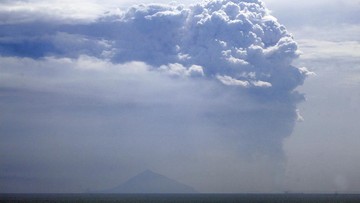
AirNav Indonesia temporarily closed three airports as volcanic ash from Mount Anak Krakatau spread through the airspace, describing the move as part of aviation safety measures.
The temporary closure of the three airports is part of aviation safety measures in response to the changing distribution of volcanic ash from Mount Anak Krakatau.
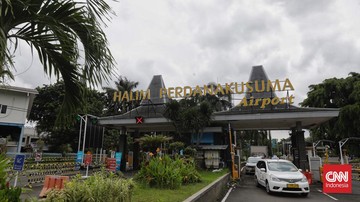
The affected airports were Soekarno-Hatta International Airport, Halim Perdanakusuma Airport and Radin Inten II Airport. AirNav estimated that Halim Perdanakusuma would reopen at 10 a.m. local time and Soekarno-Hatta at 9:30 a.m.
AirNav said the ash distribution remained dynamic and required continuous monitoring. It said air navigation services would be adjusted to reflect changes in conditions.
The distribution of volcanic ash is dynamic, requiring continuous monitoring and adjustments to air navigation services as conditions develop.
“We continue to monitor airspace conditions intensively,” AirNav said. The agency added that it would immediately respond to any change that could affect flight safety by updating aeronautical information and adjusting navigation services. It also said it was coordinating with aviation stakeholders to ensure that safety information reached them on time.
We continue to monitor airspace conditions intensively.
About this summary
Originally published by CNN Indonesia in Indonesian. Translated, summarized, and contextualized automatically by DistantNews, with a note on how the source frames the story. Not individually reviewed before publishing. How this works.
More Stories

From Our Blog

News in Translation: What Gets Lost, and How We Keep the Framing

Diaspora Media: How Communities Follow News From Home

Traveling Where the Press Is Not Free: How to Read the News There

The Digital Nomad's Guide to Local News

The Same Story, Different Countries: How Coverage Changes at the Border
