



AJK election and beyond: Protests, boycotts, and phased polls shape critical vote
Translated from English, summarized and contextualized by DistantNews.
At a glance
Analysis
Sources not specified
Context piece
- The upcoming Azad Jammu and Kashmir (AJK) general election is critical for the region and Pakistan.
- Violent protests organized by the now-defunct Joint Awami Action Committee (JAAC) have preceded the election.
- The absence of popular groups like the JAAC and PTI, who are boycotting or unable to contest, may impact the assembly's legitimacy.
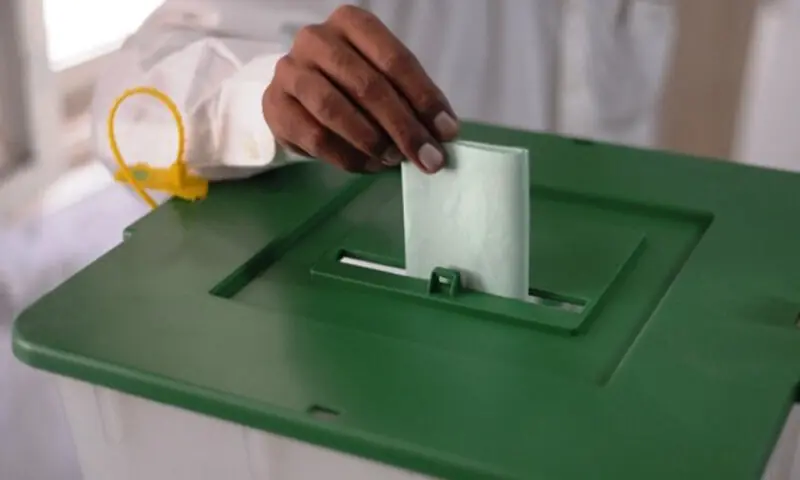
The upcoming general election for the legislative assembly of Azad Jammu and Kashmir (AJK) is poised to be a pivotal event, carrying significant implications for the region, Pakistan, and the broader South Asian landscape. Unlike the previous 11 elections since 1970, this election is unfolding under the shadow of widespread violent protests. These demonstrations were spearheaded by the Joint Awami Action Committee (JAAC), which has since been declared unlawful under anti-terrorism laws. Despite the group's dissolution and the arrest of some leaders, the JAAC's 38-point charter of demands, focused on people's welfare and opposing elite interests, resonated deeply with a large segment of the Kashmiri population, particularly the youth. The election's landscape is further complicated by the absence of two influential political forces. The JAAC, not being a registered political party, cannot contest, and attempts by its members to run as independents were reportedly thwarted. More significantly, the Pakistan Tehreek-e-Insaf (PTI), which secured the largest vote share in the 2021 AJK elections and formed the government, is boycotting the polls. The PTI cites a lack of confidence in the prospect of a free and fair election as its reason for withdrawal. The AJK election commission has opted for a phased approach to the polls, a departure from past practices where all constituencies voted on a single day. This decision is attributed to the prevailing law and order conditions, particularly in the Poonch (Rawlakot) division, which has been heavily affected by the agitation. Staggering the elections allows for a more manageable deployment of law enforcement resources, with the administration possibly hoping for a resolution between agitators and the government before the third phase on August 10. However, the new legislative assembly will face immediate challenges. The absence of the JAAC and the PTI's boycott could undermine the legitimacy and representative character of the incoming government. The phased polling, while a security measure, also deviates from the norm and may raise further questions about the electoral process.
DistantNews Editorial
Originally published by Dawn in English. Translated, summarized, and contextualized by our editorial team with added local perspective. Read our editorial standards.
More Stories

From Our Blog

What Gets Lost (and Found) When News Is Translated

The Critical Role of Diaspora Media in Global News

What Travellers Should Know About Countries with Restricted Press

A Digital Nomad's Guide to Following Local News

How the Same Story Looks Different in Different Countries
