


Alarming Space Debris Levels Pose Danger to Humans, Experts Warn
Translated from Hungarian, summarized and contextualized by DistantNews.
At a glance
In-depth
Sources not specified
Context piece
- The amount of space debris orbiting Earth and the Moon poses a potential danger to humans.
- This debris consists of discarded equipment, fragments from collisions, and other human-made objects.
- Efforts are underway to develop technologies for removing this space junk.
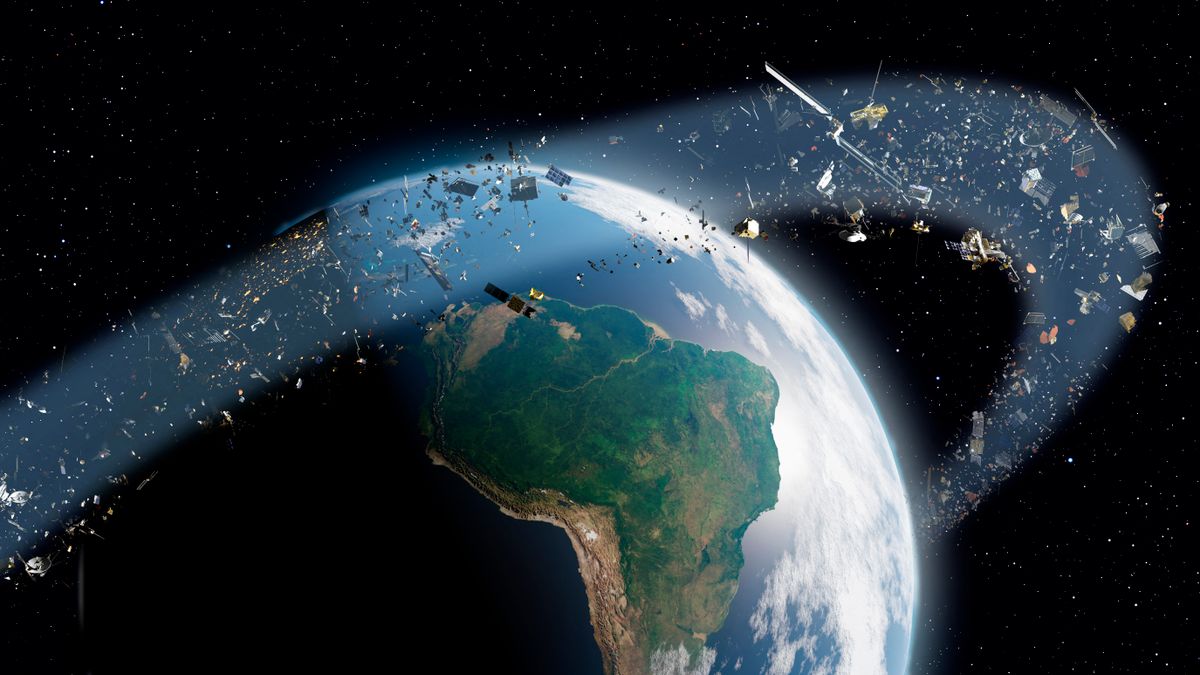
An alarming amount of space debris is accumulating in orbit around Earth and the Moon, creating a potential hazard that could even endanger human lives. This ever-increasing collection of defunct satellites, discarded rocket stages, and fragments from past collisions poses a significant threat to active spacecraft and future space missions.
The sheer volume of this orbital junk is staggering. Scientists and space agencies worldwide are concerned about the "Kessler Syndrome," a theoretical scenario where the density of objects in low Earth orbit becomes so high that collisions between them could cause a cascading effect, creating even more debris and rendering space unusable.
Recognizing the urgency of the situation, significant research and development efforts are focused on creating effective methods for removing space debris. These innovative solutions range from robotic capture systems and laser ablation technologies to de-orbiting nets and magnetic collectors. The successful implementation of such technologies is crucial for ensuring the long-term sustainability of space exploration and utilization.
The amount of space junk orbiting the Earth and Moon could even pose a danger to humans.
DistantNews Editorial
Originally published by Magyar Nemzet in Hungarian. Translated, summarized, and contextualized by our editorial team with added local perspective. Read our editorial standards.
More Stories



From Our Blog

Countries Without a Free Press: What You Need to Know

What Press Freedom Means for the News You Read

What Gets Lost (and Found) When News Is Translated

The Critical Role of Diaspora Media in Global News

What Travellers Should Know About Countries with Restricted Press
