

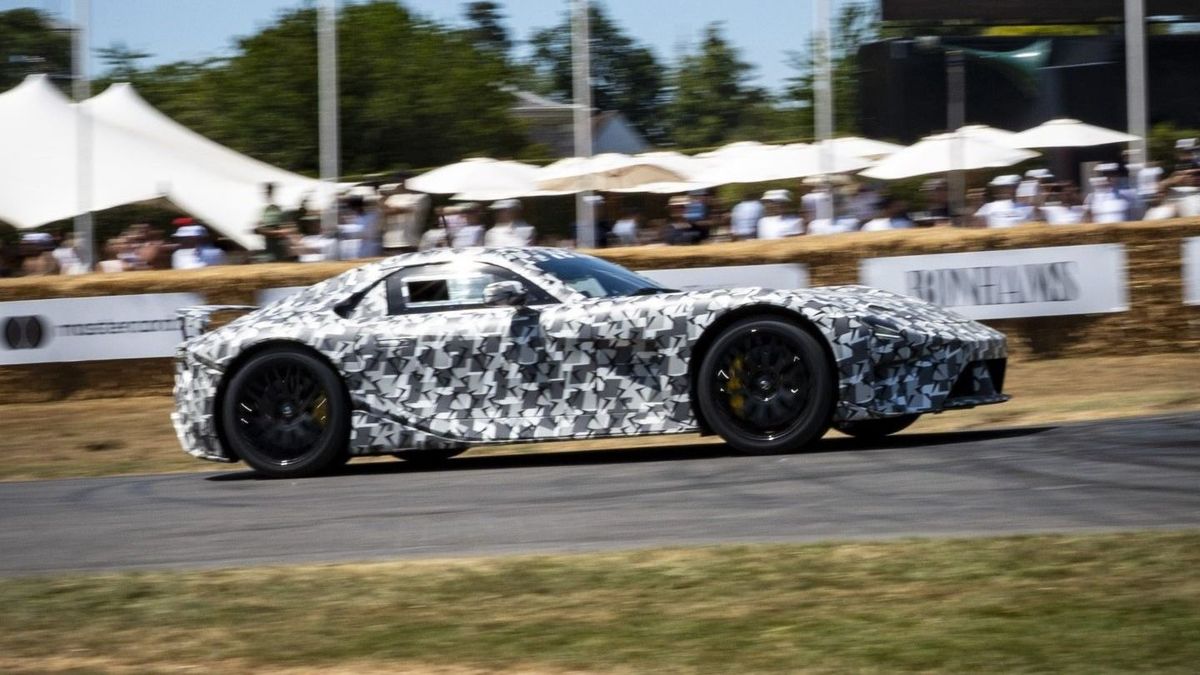
Electric Lexus LFA Prototype to Feature Reimagined Driving Sound
Translated from Hungarian, summarized and contextualized by DistantNews.
At a glance
In-depth
Named sources
Ongoing story
- Lexus is developing a new electric LFA prototype that will feature a completely redesigned sound experience, moving away from mimicking its V10 predecessor.
- The goal is to provide drivers with a sensory experience that simulates driving a gasoline-powered car, utilizing the responsiveness of electric motors while eliminating unwanted noise.
- Lexus acknowledges that convincing consumers to buy an electric supercar is a challenge, emphasizing the importance of an authentic driving feel and a unique sound profile.
Lexus is embarking on a bold new direction for its LFA supercar, focusing on a revolutionary sound experience for its upcoming electric prototype. Instead of replicating the iconic V10 engine's roar, Lexus aims to create an entirely new auditory sensation, as revealed at a press conference in Goodwood.
this car aims to provide the multi-sensory experience characteristic of Lexus, and show what possibilities lie in battery electric sports cars, in a way we have never seen before.
Project CEO Yukita Yukihiro clarified that the intention is not to falsify the past but to deliver a multi-sensory experience characteristic of Lexus. The company seeks to showcase the untapped potential of battery-electric sports cars in a way never seen before. Lexus wants LFA drivers to feel as though they are piloting a combustion-engine vehicle, even without a traditional engine under the hood. This simulation involves genuine vibrations, acoustic feedback, and a reimagined sensory engagement, built upon the inherent advantages of electric powertrains over gasoline engines.
Lexus wants LFA drivers to feel as if they are driving a gasoline-powered car, even if in reality there is no internal combustion engine under the long hood.
Yukihiro admitted that persuading customers to purchase an electric supercar remains the primary challenge for the LFA, with an authentic driving experience being crucial. He noted market feedback suggesting electric vehicles feel "fake" because they imitate internal combustion engine sounds. Lexus, however, aims for a different approach. While acknowledging that electric cars can lose the sound and vibrations that engage a driver's senses, they can also leverage the superior responsiveness and linearity of electric motors, which gasoline engines cannot match.
I receive feedback from the market that electric vehicles are fake because they imitate the sound of internal combustion engines – but we don't want that.
Furthermore, Lexus engineers believe they can eliminate all extraneous noise and vibrations. This allows them to "reset to zero" and meticulously craft the desired sound and vibrational experience from the ground up. The focus is on creating a unique, engaging, and authentic driving sensation that highlights the strengths of electric propulsion while addressing consumer concerns about the perceived lack of character in EVs.
lose the sound and vibrations that have a great impact on the driver's five senses
DistantNews Editorial
Originally published by Magyar Nemzet in Hungarian. Translated, summarized, and contextualized by our editorial team with added local perspective. Read our editorial standards.
More Stories
From Our Blog

Countries Without a Free Press: What You Need to Know

What Press Freedom Means for the News You Read

What Gets Lost (and Found) When News Is Translated

The Critical Role of Diaspora Media in Global News

What Travellers Should Know About Countries with Restricted Press
