

Alberta Predicts 2026 Budget Surplus Fueled by Oil Prices and Middle East Conflict
Translated from English and summarized by DistantNews. Read the original for the full story.
At a glance
News
Sources not specified
Context piece
- Alberta's 2026 budget now forecasts a $2-billion surplus, a significant reversal from an initial $9.4-billion deficit projection.
- Surging global energy prices, exacerbated by the Middle East conflict, have boosted West Texas Intermediate oil prices well above initial forecasts.
- While celebrating the windfall, the finance minister cautioned about market volatility and rising inflation, acknowledging potential relief measures for Albertans.
Alberta's finances are experiencing a dramatic turnaround, with the province now predicting a $2-billion surplus for its 2026 budget. This marks a substantial shift from the $9.4-billion deficit initially anticipated for the fiscal year.
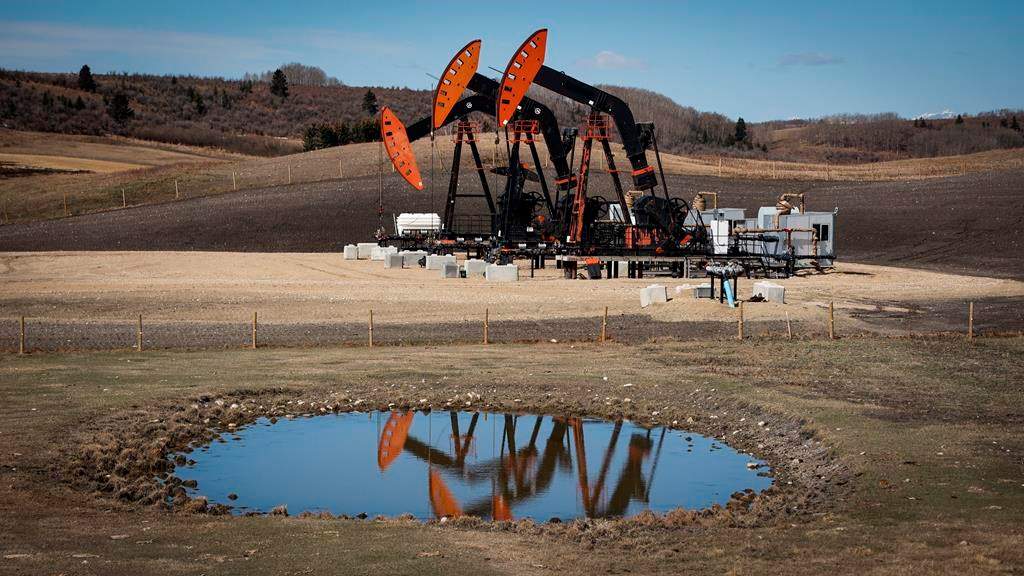
The reversal of fortune is largely attributed to a surge in global energy prices, directly influenced by the ongoing conflict in the Middle East. The war has disrupted oil tanker traffic through the Strait of Hormuz, a critical shipping lane, driving up benchmark oil prices. Alberta's treasury stands to gain significantly with every dollar increase in the average West Texas Intermediate (WTI) price.
Finance Minister Jason Nixon acknowledged the positive impact on the province's coffers but issued a stark warning about the inherent volatility of energy markets. He emphasized that trade uncertainties are real and that every dollar spent on debt repayment is a dollar diverted from essential services like classrooms and hospitals. The same high energy prices benefiting the government are also contributing to increased costs for residents.
Premier Danielle Smith's government previously announced a $100 fuel tax rebate cheque for most Albertans in response to rising costs. While Nixon did not commit to further measures, he indicated that the cabinet is exploring options to provide relief. The government is closely monitoring inflation, especially as counter-tariffs in the ongoing trade war between Canada and the United States could further drive up prices.
Energy prices can change quickly, trade uncertainty is real, and every dollar spent on debt is a dollar taken away from classrooms, hospitals and families.
About this summary
Originally published by Global News in English. Translated, summarized, and contextualized automatically by DistantNews, with a note on how the source frames the story. Not individually reviewed before publishing. How this works.
More Stories

From Our Blog

What Gets Lost (and Found) When News Is Translated

The Critical Role of Diaspora Media in Global News

What Travellers Should Know About Countries with Restricted Press

A Digital Nomad's Guide to Following Local News

How the Same Story Looks Different in Different Countries
