


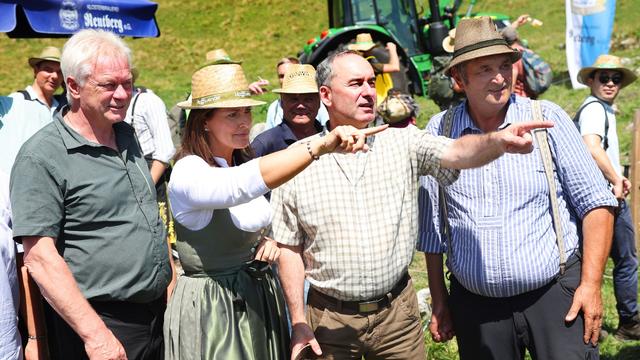
Alpine farmers battle bureaucracy and climate change
Translated from German, summarized and contextualized by DistantNews.
At a glance
News
Sources not specified
Context piece
- Alpine farmers in Germany face significant challenges from bureaucracy and climate change.
- These issues threaten the traditional way of life and economic viability of alpine farming.
- Farmers are struggling to adapt to changing environmental conditions and administrative burdens.
Alpine farmers in Germany are grappling with a dual threat of increasing bureaucracy and the escalating impacts of climate change. These challenges are putting immense pressure on the traditional alpine farming lifestyle and its economic sustainability.
The administrative burden, often characterized by complex regulations and paperwork, consumes valuable time and resources that farmers could otherwise dedicate to their herds and pastures. This bureaucratic entanglement hinders their ability to operate efficiently and adapt to the evolving agricultural landscape.
Simultaneously, climate change is altering the alpine environment in ways that directly affect farming practices. Shifting weather patterns, changes in vegetation, and water availability pose significant risks to livestock and the quality of alpine pastures. Farmers are finding it increasingly difficult to manage their herds and maintain traditional grazing cycles under these new climatic conditions.
The combination of these factors creates a precarious situation for alpine farmers, who are essential stewards of the unique alpine ecosystem. Their struggle highlights the broader difficulties in preserving traditional rural livelihoods in the face of modern environmental and administrative pressures.
DistantNews Editorial
Originally published by Die Zeit in German. Translated, summarized, and contextualized by our editorial team with added local perspective. Read our editorial standards.
More Stories

From Our Blog

What Gets Lost (and Found) When News Is Translated

How the Same Story Looks Different in Different Countries

The Critical Role of Diaspora Media in Global News

What Travellers Should Know About Countries with Restricted Press

A Digital Nomad's Guide to Following Local News
