

Amend Act 133 to Tackle Slope Failures, Mud Floods: Academic
Translated from Malay, summarized and contextualized by DistantNews.
TLDR
- A Malaysian academic warns that slope failures and mud floods will persist unless the 1974 Street, Drainage and Building Act (Act 133) is amended to impose stricter penalties.
- Dr. Aizat Mohd. Taib argues that current penalties are too low, leading developers to view compliance as an additional cost rather than a mandatory responsibility.
- He stresses the need for stricter enforcement, comprehensive soil investigations, and mandatory involvement of certified geotechnical engineers for high-risk projects.
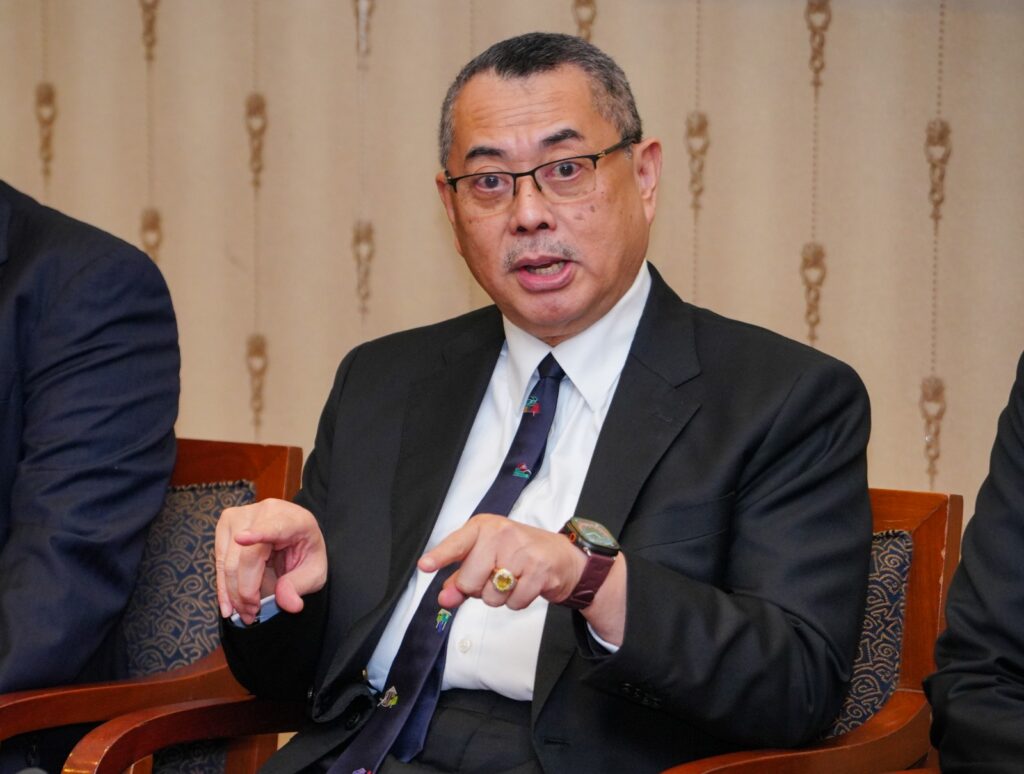
The persistent threat of slope failures and subsequent mud floods in Malaysia necessitates a critical review and amendment of the 1974 Street, Drainage and Building Act, commonly known as Act 133. Dr. Aizat Mohd. Taib, a Senior Lecturer in Civil Engineering at Universiti Kebangsaan Malaysia (UKM), highlights that without stronger legal deterrents, these dangerous incidents will continue to endanger public safety.
Kejadian cerun runtuh yang membawa kepada banjir lumpur akan terus berlaku dan mengancam keselamatan orang ramai selagi Akta Jalan, Parit dan Bangunan 1974 atau Akta 133 tidak dipinda.
Dr. Taib points out that the current penalties under Act 133 are insufficient to deter developers from disregarding crucial guidelines for slope development. He explains that developers may perceive adherence to technical guidelines as merely an added expense, rather than a non-negotiable obligation. This perspective, he argues, directly contributes to the instability of slopes and the occurrence of mud floods, especially when developers cut slopes too steeply, neglect drainage systems, or fail to provide adequate ground protection.
Walaupun Akta 133 menyediakan asas perundangan yang kukuh, aspek hukuman di bawah akta tersebut perlu diperkasa agar benar-benar memberi kesan pencegahan kepada pihak yang ingkar.
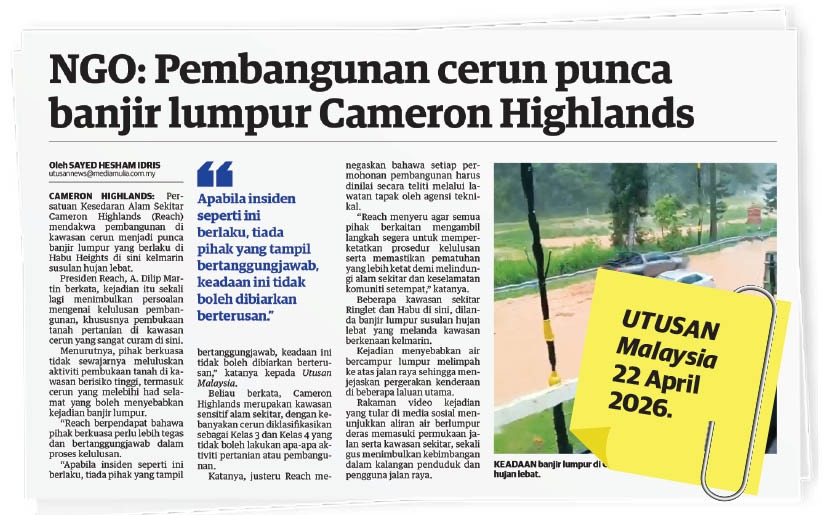
While Malaysia possesses a robust framework of regulations and technical guidelines for development in risk-prone areas, the core challenge lies in inconsistent and weak enforcement on the ground. Dr. Taib advocates for mandatory comprehensive soil investigations, the engagement of certified geotechnical engineers, and independent review systems for high-risk projects. He emphasizes that amending Act 133 to include more severe punishments is crucial to ensure that developers prioritize safety and environmental integrity, thereby preventing future tragedies like the recent retaining wall collapse in Kuala Lumpur.
Penalti yang terlalu rendah berisiko menyebabkan pemaju melihat pematuhan terhadap garis panduan teknikal hanya sebagai kos tambahan dan bukannya tanggungjawab wajib.
DistantNews Editorial
Originally published by Utusan Malaysia in Malay. Translated, summarized, and contextualized by our editorial team with added local perspective. Read our editorial standards.
More Stories
From Our Blog

What Gets Lost (and Found) When News Is Translated

The Critical Role of Diaspora Media in Global News

What Travellers Should Know About Countries with Restricted Press

A Digital Nomad's Guide to Following Local News

How the Same Story Looks Different in Different Countries
