

America’s North Korea strategy needs a dose of reality
Summarized and contextualized by DistantNews.
At a glance
Analysis
Sources not specified
Context piece
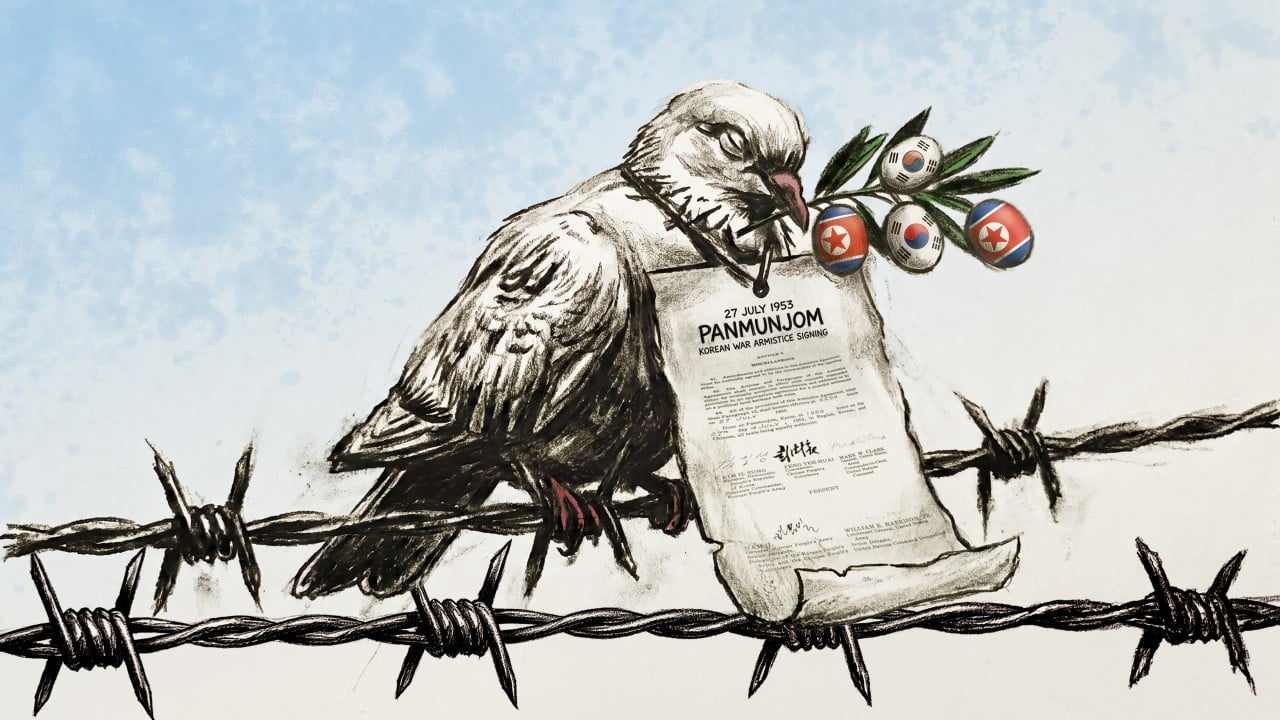
- North Korea commemorates "Victory Day" on July 27, marking the Korean War's armistice, not a formal end.
- The peninsula remains in a state of suspended conflict due to North Korea's actions, South Korean policies, and Russia's cooperation with Pyongyang.
- The US strategy of demanding denuclearization first is detached from reality, as North Korea's nuclear capabilities have grown and its strategic flexibility has increased.
North Korea marks "Victory Day" on July 27, commemorating its version of triumph in the Korean War. However, the date underscores a critical reality: the war never formally concluded, ending instead with a 1953 armistice that left the Korean peninsula in a state of suspended conflict. This prolonged instability is fueled by multiple actors, including North Korea's persistent missile tests and expanding nuclear arsenal, certain South Korean administrations' policies, and Russia's deepening military and economic cooperation with Pyongyang.
The United States, a key signatory to the armistice and a necessary party to any future peace agreement, faces scrutiny for its approach. For decades, U.S. administrations have prioritized a "denuclearization-first" posture, expecting North Korea to dismantle its nuclear program before engaging in meaningful normalization, sanctions relief, or a broader peace process. This strategy, however, appears increasingly detached from the current situation, as North Korea now possesses a more sophisticated and resilient nuclear force than in previous years.
The prolonged deadlock has inadvertently expanded Pyongyang's strategic options. Following Russia's 2022 invasion of Ukraine, North Korea significantly deepened its military ties with Moscow and stabilized its relationship with Beijing. These geopolitical shifts have bolstered its strategic flexibility, diminishing the leverage that Washington and its allies once held over the isolated nation. The core impasse in achieving a peace settlement now rests primarily between Washington and Pyongyang, with Beijing's policies not constituting the principal obstacle.
DistantNews Editorial
Originally published by South China Morning Post. Summarized and contextualized by our editorial team with added local perspective. Read our editorial standards.
More Stories

From Our Blog

Countries Without a Free Press: What You Need to Know

What Press Freedom Means for the News You Read

What Gets Lost (and Found) When News Is Translated

The Critical Role of Diaspora Media in Global News

What Travellers Should Know About Countries with Restricted Press
