


American Lifestyles: Growing Number Seek Self-Sufficiency Amidst Crisis Fears
Translated from Finnish, summarized and contextualized by DistantNews.
TLDR
- An increasing number of Americans are adopting self-sufficient lifestyles, moving to rural areas and growing their own food.
- These individuals are also preparing for future crises, with events like the Okie Homesteading Expo attracting thousands.
- The movement reflects a desire for independence and preparedness amid societal uncertainties.
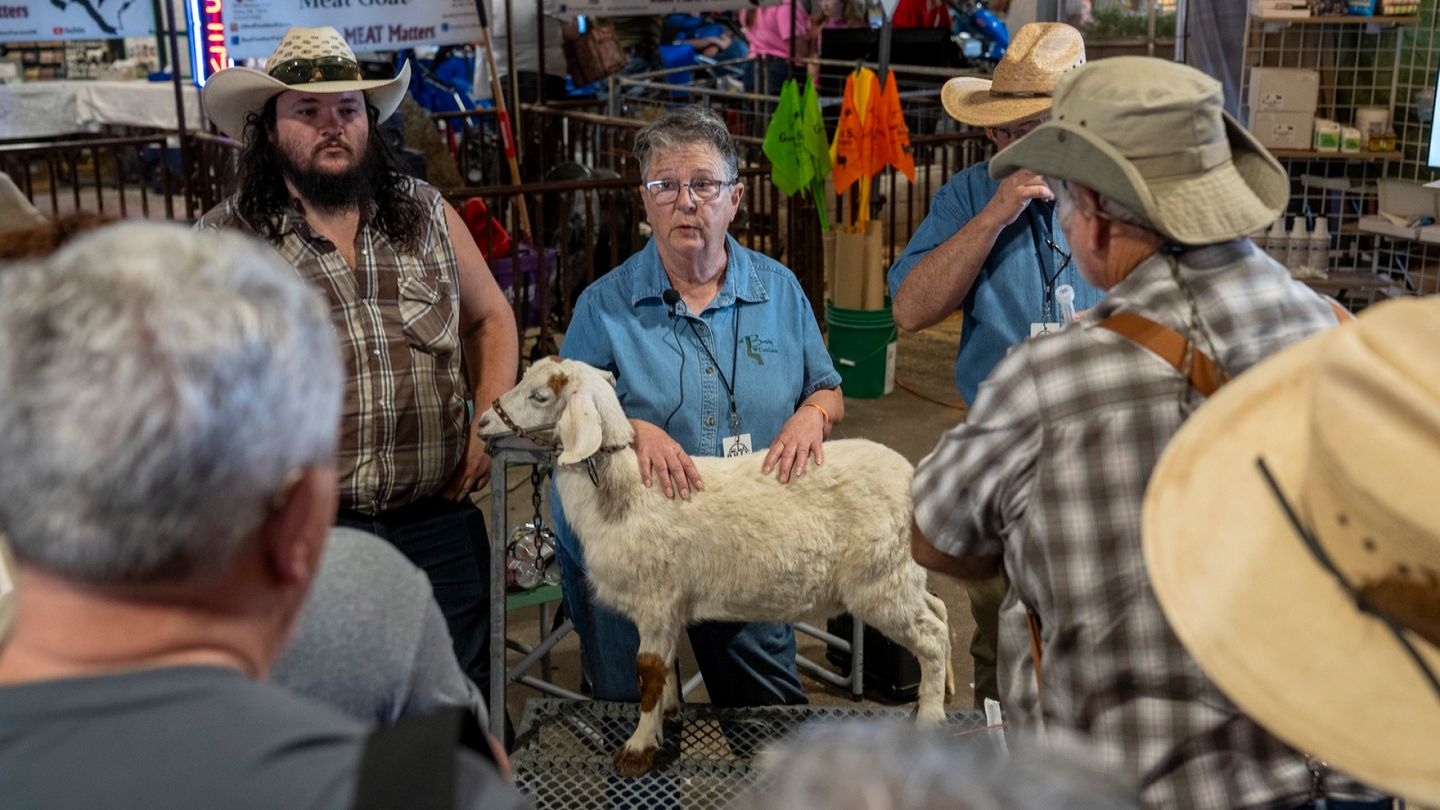
In the heartland of America, a quiet but growing movement is taking root, as more citizens turn their backs on the complexities of modern society to embrace a simpler, self-sufficient life. The Okie Homesteading Expo in Pryor, Oklahoma, is a testament to this trend, drawing thousands of individuals eager to learn the skills needed to live off the land. This isn't just about escaping the hustle and bustle; it's a profound statement about resilience and preparedness.
For many, the allure of growing their own food, raising livestock, and living a more independent life is a powerful draw. They see it as a way to reconnect with fundamental values and build a more secure future, especially in the face of perceived global instability and the looming specter of societal collapse. The presence of religious undertones, with signs praising Jesus, suggests a spiritual dimension to this quest for self-reliance.
While some might dismiss this as a fringe movement, it speaks to a deeper dissatisfaction with the current state of affairs and a yearning for control over one's own destiny. It's a distinctly American ideal, echoing historical narratives of pioneers and homesteaders, but with a modern twist of anticipating and preparing for future challenges. This is about more than just a lifestyle choice; it's a proactive stance on building a resilient future, one that resonates deeply with a segment of the population seeking meaning and security outside the mainstream.
DistantNews Editorial
Originally published by Helsingin Sanomat in Finnish. Translated, summarized, and contextualized by our editorial team with added local perspective. Read our editorial standards.
More Stories


From Our Blog

What Gets Lost (and Found) When News Is Translated

The Critical Role of Diaspora Media in Global News

What Travellers Should Know About Countries with Restricted Press

A Digital Nomad's Guide to Following Local News

How the Same Story Looks Different in Different Countries
