

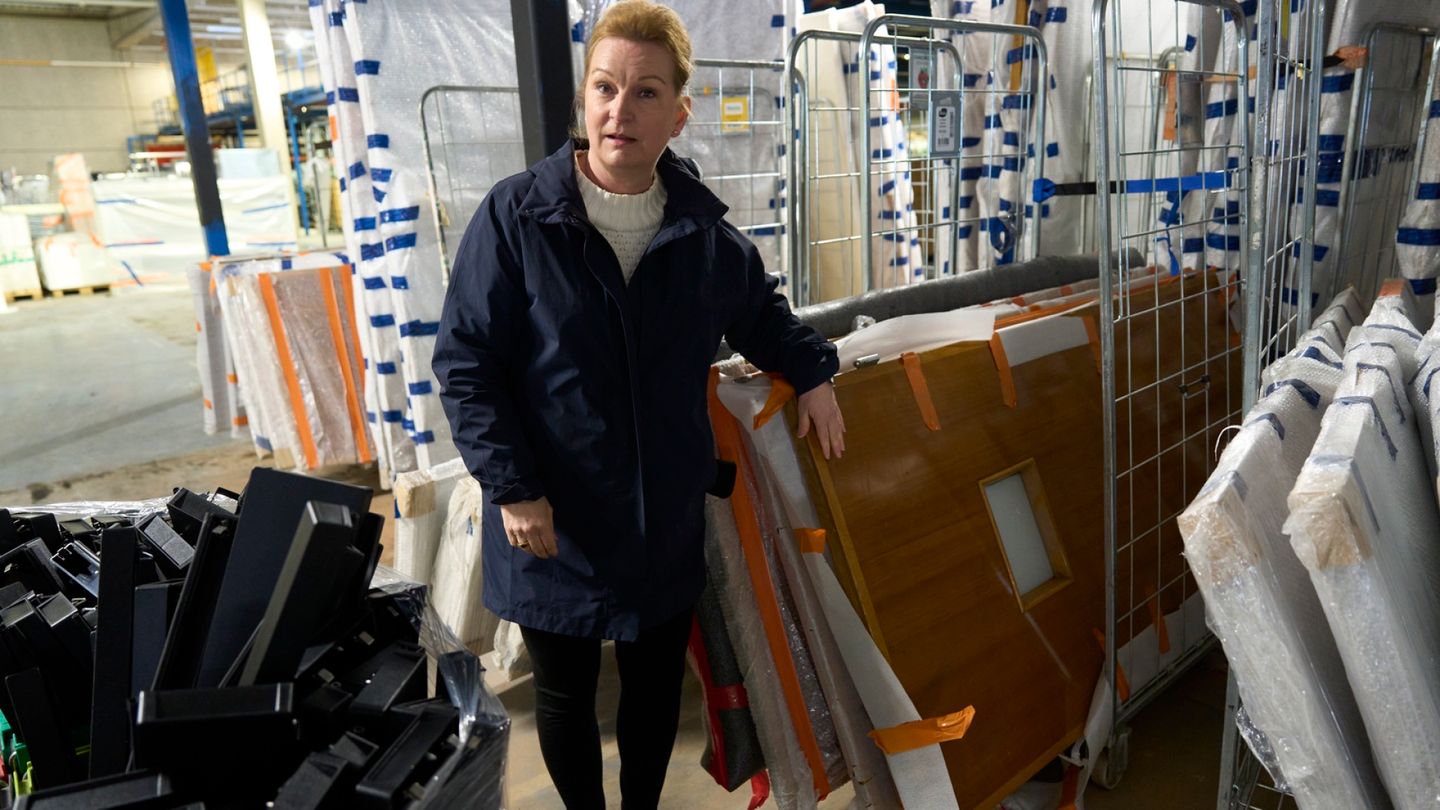

Finland's Mining Waste Problem Demands Circular Economy Solutions Amidst Regulatory Hurdles
Translated from Finnish, summarized and contextualized by DistantNews.
TLDR
- Finland utilized approximately 16% of its mining sector's waste streams in 2020, with the remaining 84% being landfilled or stored.
- The mining industry generated over 90 million tons of waste in 2023, a figure expected to grow with new mine openings, primarily in Northern and Eastern Finland.
- New EU regulations (CRMA, ReSource EU) mandate increased mineral recycling and waste reduction, but current chemical, waste, and environmental regulations hinder circular economy initiatives.
As a reader of Helsingin Sanomat, it's concerning to see the sheer volume of waste generated by Finland's mining industry. In 2020, a staggering 84% of mining waste was simply dumped, a practice that is unsustainable as we increasingly rely on lower-grade ore deposits. This not only creates massive waste piles but also poses significant environmental risks, especially with new mines planned for Northern and Eastern Finland.
The article highlights a disconnect between the industry's stated willingness to embrace circular economy principles and the reality on the ground. While some companies, like the Kemi mine in Outokumpu, are initiating circular economy projects, the broader picture remains one of waste being stored on-site and mine water being discharged into local waterways. This inertia needs to be overcome.
While the article mentions the potential for mining by-products to serve as low-carbon cement replacements and the EU's push for increased recycling through regulations like CRMA and ReSource EU, it also points out the rigidity of current EU rules. These regulations, unfortunately, stifle innovation and enthusiasm for turning waste into valuable products. Finland, and indeed the EU, must adapt its chemical, waste, and environmental legislation to truly enable circular economy projects in the mining sector.
From a Finnish perspective, it's crucial that we don't just follow EU directives but proactively create an environment where circularity in mining is not just encouraged but practically feasible. This means integrating circular economy considerations from the very initial planning stages of new mines. Requiring mining operators to submit circular economy assessments from the outset would be a significant step. The potential economic benefits, turning problematic substances and aggregates into revenue streams for mining companies or their partners, are too great to ignore. We need to move beyond the current model and embrace a future where waste is a resource.
DistantNews Editorial
Originally published by Helsingin Sanomat in Finnish. Translated, summarized, and contextualized by our editorial team with added local perspective. Read our editorial standards.
More Stories

From Our Blog

What Gets Lost (and Found) When News Is Translated

The Critical Role of Diaspora Media in Global News

What Travellers Should Know About Countries with Restricted Press

A Digital Nomad's Guide to Following Local News

How the Same Story Looks Different in Different Countries
