

Amputee Chinese scientist fortifies military software
Translated from English, summarized and contextualized by DistantNews.
At a glance
In-depth
Named sources
Context piece
- Chinese scientist Wang Ji, an amputee, leads efforts in software verification for the nation's military.
- Wang specializes in technology that uses mathematical logic to ensure the correctness of code at the compiler level.
- He has been recognized as a "role model of the times" for his contributions to China's military modernization.
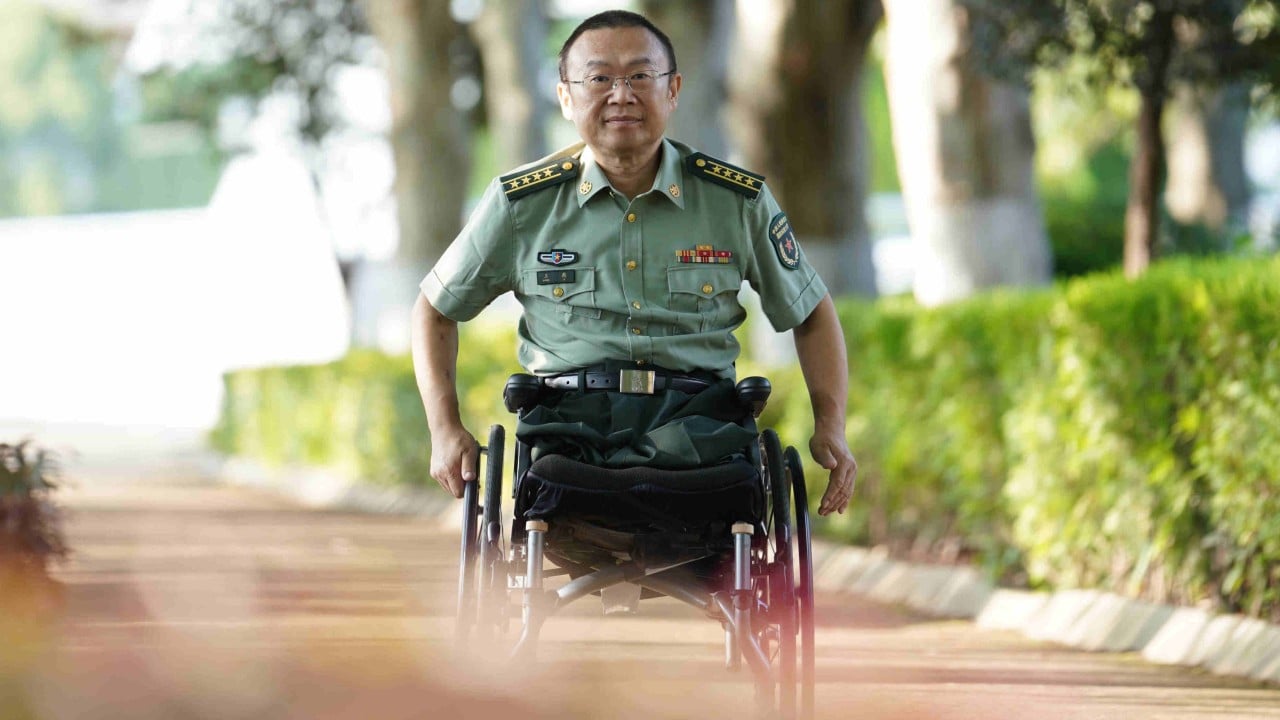
In the global focus on China's military hardware, a critical but less visible aspect of its modernization lies in software verification. Wang Ji, a computer science researcher at the National University of Defence Technology (NUDT), is at the forefront of this effort, mentoring a new generation of scientists to apply rigorous precision to the software underpinning China's strategic defense systems.
Wang, who lost both legs to a medical emergency, has dedicated his career to securing the complex software essential for the country's most vital defense assets. His specialization involves technology that employs mathematical logic to verify code correctness at the fundamental compiler level, ensuring the integrity and reliability of military software.
His significant contributions have not gone unnoticed. Last week, Wang was awarded the title of "role model of the times" by the Communist Party's publicity department. This latest recognition adds to his accolades, including being named a self-improvement role model with disabilities last year.
State broadcaster CCTV highlighted Wang's work in a recent profile, describing him as being on the "vanguard of research" and consistently pushing forward. His work underscores China's commitment to advancing its military capabilities through sophisticated software development and verification, a crucial element in modern defense.
vanguard of research
DistantNews Editorial
Originally published by South China Morning Post in English. Translated, summarized, and contextualized by our editorial team with added local perspective. Read our editorial standards.
More Stories


From Our Blog

Countries Without a Free Press: What You Need to Know

What Press Freedom Means for the News You Read

What Gets Lost (and Found) When News Is Translated

The Critical Role of Diaspora Media in Global News

What Travellers Should Know About Countries with Restricted Press
