




Anak Krakatau Eruption Disrupts 1,039 Flights and 166,000 Passengers at Jakarta Airport
Translated from Indonesian and summarized by DistantNews. Read the original for the full story.
At a glance
News
Named sources
Outcome reported
- Soekarno-Hatta International Airport temporarily suspended operations on September 6 after authorities detected a potential spread of volcanic ash from Mount Anak Krakatau.
- The closure affected 1,039 domestic, international and cargo flights, disrupting travel for 166,351 passengers.
- Airport management provided food, rest areas, hotel transfers and free buses to several cities while coordinating with airlines.
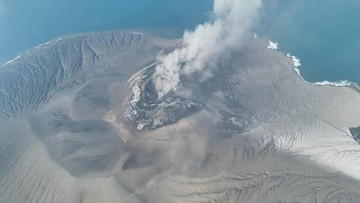
The temporary closure of Indonesia’s main airport after Mount Anak Krakatau erupted disrupted 1,039 flights and affected 166,351 passengers, according to airport officials.
Soekarno-Hatta International Airport suspended operations at 1:30 a.m. on September 6 and extended the closure until 11:59 p.m. Authorities acted after detecting a potential spread of volcanic ash from Anak Krakatau, based on a Notice to Airmen issued by AirNav Indonesia.
By 9:30 p.m., the disruption had affected 746 domestic flights, 272 international flights and 21 cargo flights. Yudistiawan, assistant deputy for communications and legal affairs at the airport’s branch, said the aerodrome closure served as a precaution to protect flight safety.
The figure comprises 746 domestic flights, 272 international flights, and 21 cargo flights, affecting a total of 166,351 passengers.
The airport activated its Service Recovery Activation protocol for stranded passengers. Staff distributed food and refreshments, arranged buses to hotels with airlines, and opened rest areas in the terminals. InJourney Airports also prepared free buses to Yogyakarta, Solo, Semarang and Surabaya, initially assigning two buses to each destination.
Passengers could register for the buses at posts in Terminals 1, 2 and 3. Airport officials said they could add vehicles and departures if demand increased. Airlines opened service desks at each terminal, while airport management coordinated with commercial tenants to keep essential services available around the clock.
Initially, eight buses were prepared, with two buses allocated for each destination. The first departures were scheduled for 9 p.m. on Sunday, September 6.
About this summary
Originally published by Tempo in Indonesian. Translated, summarized, and contextualized automatically by DistantNews, with a note on how the source frames the story. Not individually reviewed before publishing. How this works.
More Stories


From Our Blog

News in Translation: What Gets Lost, and How We Keep the Framing

Diaspora Media: How Communities Follow News From Home

Traveling Where the Press Is Not Free: How to Read the News There

The Digital Nomad's Guide to Local News

The Same Story, Different Countries: How Coverage Changes at the Border
