




Four Airports Remain Closed Until 6 p.m. as InJourney Airports Responds
Translated from Indonesian and summarized by DistantNews. Read the original for the full story.
At a glance
News
Official statement
Ongoing story
- Soekarno-Hatta, Halim Perdanakusuma, Husein Sastranegara and Radin Inten II airports remained closed until around 6 p.m. local time because of volcanic ash from Mount Anak Krakatau.
- InJourney Airports provided food, drinks, terminal areas and staff assistance, while Soekarno-Hatta offered free buses to four cities.
- From Sept. 5 to 9 a.m. on Sept. 7, the closures affected 2,300 flights and 268,539 passengers.
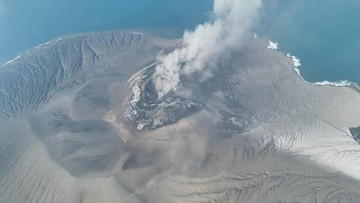
Four Indonesian airports remained closed until around 6 p.m. local time on Monday, Sept. 7, after volcanic ash from Mount Anak Krakatau disrupted air travel.
The affected airports were Soekarno-Hatta in Tangerang, Halim Perdanakusuma in East Jakarta, Husein Sastranegara in Bandung and Radin Inten II in Bandar Lampung. Authorities extended the closures for flight safety under a notice issued by AirNav Indonesia.
PT Angkasa Pura Indonesia, known as InJourney Airports, said it continued its Service Recovery Activation programme until the airports reopened. The assistance included food and drinks, designated terminal areas and support from airport staff. The programme also applied at airports operating flights to the affected locations, depending on local needs.
Soekarno-Hatta provided free bus transport on Sept. 6 to Yogyakarta, Solo, Semarang and Surabaya for affected passengers. Between Sept. 5 and 9 a.m. on Sept. 7, the temporary closures disrupted 2,300 flights and affected 268,539 passengers. Soekarno-Hatta accounted for 1,320 affected flights and 173,474 passengers.
“Passenger handling continues until the airports are declared reopened,” said Arie Ahsanurrohim, corporate secretary group head at InJourney Airports. He said the company remained in coordination with relevant parties and urged passengers to monitor flight-status information from their airlines.
Passenger handling continues until the airports are declared reopened.
About this summary
Originally published by Republika in Indonesian. Translated, summarized, and contextualized automatically by DistantNews, with a note on how the source frames the story. Not individually reviewed before publishing. How this works.
More Stories


From Our Blog

News in Translation: What Gets Lost, and How We Keep the Framing

Diaspora Media: How Communities Follow News From Home

Traveling Where the Press Is Not Free: How to Read the News There

The Digital Nomad's Guide to Local News

The Same Story, Different Countries: How Coverage Changes at the Border
