

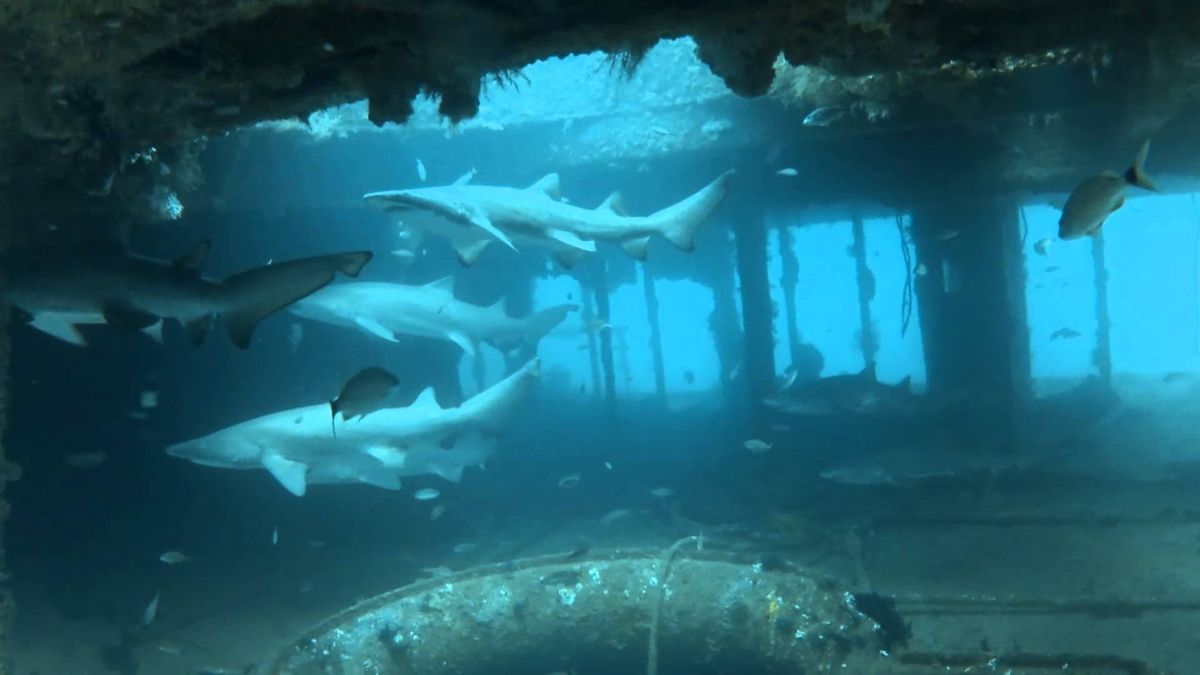
Andrea Doria: Sharks Guard Treasures of Lost Diamonds
Translated from Hungarian, summarized and contextualized by DistantNews.
At a glance
In-depth
Sources not specified
Outcome reported
- The SS Andrea Doria was a luxurious Italian ocean liner launched in 1952, representing a symbol of post-war Italian industry.
- Despite advanced safety features, the ship sank in the Atlantic Ocean in 1956 after colliding with another liner in dense fog.
- The article details the ship's opulent amenities, including multiple cinemas, swimming pools, and shops, making it a favorite among Hollywood stars.
The SS Andrea Doria, once a symbol of Italy's post-war industrial pride, met a tragic end in the Atlantic Ocean just four years after its launch. This luxurious liner, christened in 1952, was designed with the latest safety recommendations from the 1948 International Convention for the Safety of Life at Sea. It featured 14 watertight compartments and a powerful onboard radar system, intended to ensure safe navigation even in adverse conditions like dense fog or dark nights.
However, these advanced features could not prevent the disaster that struck on July 25, 1956. Shortly before midnight, and less than a day's sail from New York City, the SS Andrea Doria collided with another ocean liner in thick fog. The "Queen of the Seas," as it was known, was ultimately swallowed by the Atlantic Ocean.
The ship was renowned for its unparalleled comfort, offering a luxurious experience across its first, second, and even third-class accommodations, surpassing many competitors. Designed to carry 1,250 passengers, it was served by a crew of 500. Onboard entertainment included three cinemas, three swimming pools, and numerous shops and bars operating day and night. Wealthy passengers could even conduct financial transactions at the ship's branch of Banco di Roma.
The SS Andrea Doria truly lived up to its nickname, the "floating palace." Its salons were adorned with original paintings by renowned masters of the Italian Renaissance and Baroque periods, with these artworks being rotated for each voyage, creating a striking contrast between historical art and modern design.
DistantNews Editorial
Originally published by Magyar Nemzet in Hungarian. Translated, summarized, and contextualized by our editorial team with added local perspective. Read our editorial standards.
More Stories

From Our Blog

Countries Without a Free Press: What You Need to Know

What Press Freedom Means for the News You Read

What Gets Lost (and Found) When News Is Translated

The Critical Role of Diaspora Media in Global News

What Travellers Should Know About Countries with Restricted Press
