


Animal Rescuer Faces Charges After Mistaking Restaurant Pet Lobster for Food
Translated from Estonian, summarized and contextualized by DistantNews.
TLDR
- An animal activist in Dorset, England, is facing charges after rescuing a lobster from a restaurant.
- The activist believed the lobster was destined for food but it was actually a pet used for educational purposes.
- The lobster, named Reggie, had lived in the restaurant's aquarium for two and a half years.
Postimees reports on a peculiar incident in Dorset, England, where an animal welfare activist's well-intentioned act has led to serious repercussions. The activist rescued a lobster from a restaurant, believing it was about to be served as food. This act of perceived kindness, however, has resulted in charges, as the lobster, named Reggie, was not intended for consumption but was a beloved resident of the restaurant's aquarium, used for educational purposes.
The activist took a lobster from the restaurant, believing it was intended for food, and released it into the harbor.
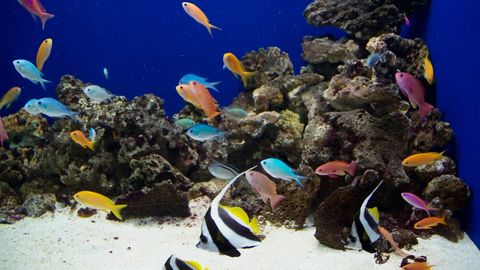
The lobster had reportedly lived in the establishment for approximately two and a half years, serving as a living exhibit for visitors, particularly children, to learn about marine life. This detail fundamentally changes the nature of the rescue, transforming it from saving a creature from the dinner plate to potentially stealing a cherished educational tool and pet.
It turned out that it was not an animal raised for food, but the restaurant's pet.
From an Estonian perspective, this story raises questions about cultural differences in the perception of animals and their roles. While Estonia values animal welfare, the specific context of a restaurant using a lobster for educational purposes might be viewed differently. The activist's assumption, while understandable in many contexts, highlights the importance of understanding local practices and the specific circumstances before intervening. The legal consequences faced by the activist underscore the need for careful consideration and adherence to local laws, even when driven by strong ethical convictions. This incident serves as a stark reminder that good intentions alone do not always excuse actions that may have unintended negative consequences.
The animals had lived in an aquarium for about two and a half years, the People reported.
DistantNews Editorial
Originally published by Postimees in Estonian. Translated, summarized, and contextualized by our editorial team with added local perspective. Read our editorial standards.
More Stories



From Our Blog

What Gets Lost (and Found) When News Is Translated

The Critical Role of Diaspora Media in Global News

What Travellers Should Know About Countries with Restricted Press

A Digital Nomad's Guide to Following Local News

How the Same Story Looks Different in Different Countries
