


🇪🇪
Estonia
EDITORIAL: Estonia Must Stand Firm on Commemorating Communist Victims Amidst French Naming Dispute
Translated from Estonian, summarized and contextualized by DistantNews.
TLDR
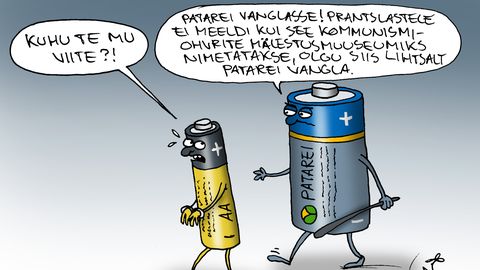
- France has requested that the Patarei Sea Fortress museum in Estonia be renamed to include Nazi victims, alongside communist victims.
- Estonia emphasizes its unique experience of communist occupation and insists on a separate memorial for communist victims.
- Postimees supports the current name and encourages Estonia to calmly explain its historical perspective to international partners.
A diplomatic request from the French Embassy in Estonia has sparked a debate over the naming of the upcoming Patarei Sea Fortress museum, dedicated to victims of communism. The French embassy has proposed that the museum, slated to open next summer, should also commemorate victims of Nazism, particularly the 300 French Jews who perished there during the German occupation. They suggest names like 'International Museum of Victims of Communism and Nazism' or 'International Museum of Victims of Totalitarianism.' However, Postimees, in its editorial stance, argues strongly for preserving the museum's original focus on communist victims. The publication stresses that Estonia's history is distinct, marked by over 40 years of communist occupation, a period that deeply scarred the nation and its leadership. Unlike France, Estonia experienced communism not just as an ideology but as a prolonged oppressive regime. Postimees highlights that while numerous museums worldwide honor Nazi victims, dedicated memorials for communist victims are scarce, making the Patarei museum particularly significant for Estonia's national memory. The editorial calls for Estonia to stand firm in its historical narrative, calmly articulating its unique experience to its French and Jewish friends, rather than succumbing to international pressure that might dilute its specific historical trauma. This is not merely about semantics; it's about Estonia's right to memorialize its own distinct suffering and historical path, a perspective often overlooked in broader European historical discourse.
If we do not commemorate the victims of communism ourselves, then no one will.
DistantNews Editorial
Originally published by Postimees in Estonian. Translated, summarized, and contextualized by our editorial team with added local perspective. Read our editorial standards.
More Stories


From Our Blog

What Gets Lost (and Found) When News Is Translated

The Critical Role of Diaspora Media in Global News

What Travellers Should Know About Countries with Restricted Press

A Digital Nomad's Guide to Following Local News

How the Same Story Looks Different in Different Countries
