

Another bid to mend US-Iran fences ‘with China’s blessing’
Summarized and contextualized by DistantNews.
At a glance
News
Named sources
Ongoing story
- Pakistan is reportedly exploring a resumption of stalled US-Iran talks, with China's backing.
- The initiative follows US missile strikes on Iranian targets and threats of "major military punishment."
- Exploratory discussions occurred during Iran's interior minister's recent visit to Islamabad.
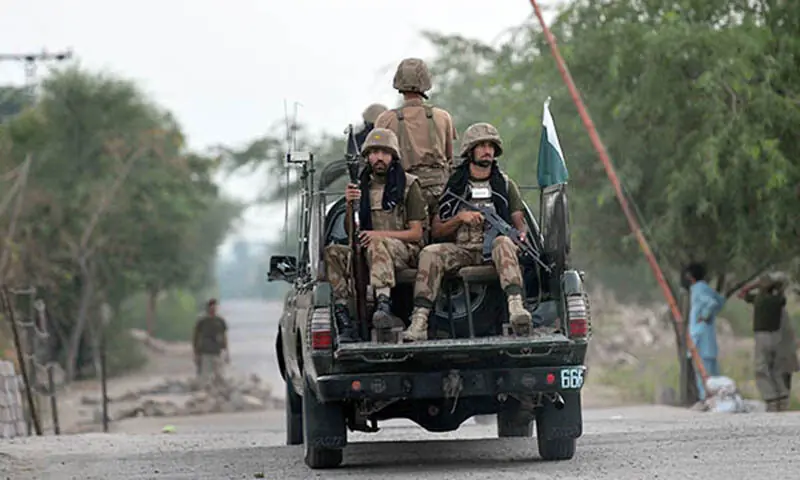
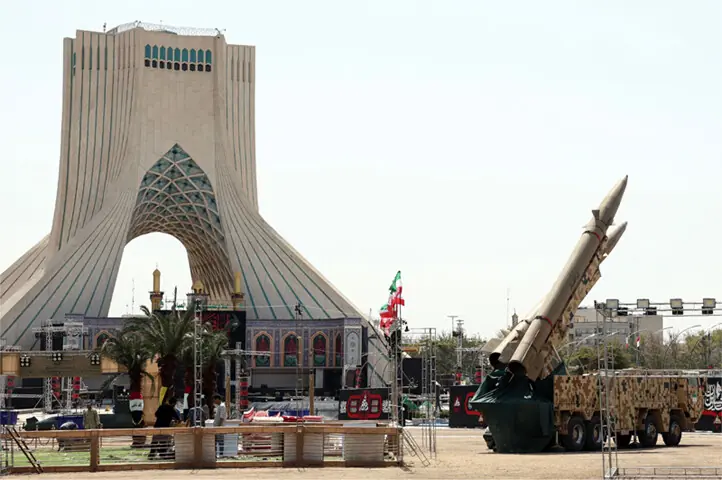
Pakistan is actively seeking to facilitate a resumption of stalled US-Iran talks, a diplomatic effort reportedly backed by China. This initiative emerges amidst escalating tensions, following US missile strikes on Iranian targets and President Donald Trump's vow of "major military punishment" against Iran and its Houthi allies in Yemen.
Exploratory discussions for this renewed push toward dialogue reportedly took place during Iranian Interior Minister Eskandar Momeni's recent visit to Islamabad. This marks his second visit within a ten-day period. The context includes recent actions by Yemen's Iran-backed Houthi rebels, who declared a naval blockade against Saudi Arabia, a country with which Pakistan has a mutual defense treaty.
China supports the mediation efforts made by Pakistan and other parties. It added that China will continue to “play an active role in restoring peace and tranquility in the Middle East Gulf region as soon as possible.”
China has expressed its support for Pakistan's mediation efforts, dispatching its special envoy earlier in March for shuttle diplomacy in the Middle East. Beijing's involvement stems from its economic interests, as disruptions to key trade routes like the Strait of Hormuz and the Red Sea negatively impact its global trade reliance. China's foreign ministry stated its support for mediation and its intention to "play an active role in restoring peace and tranquility in the Middle East Gulf region."
Qatar's Prime Minister Sheikh Mohammed bin Abdulrahman bin Jassim Al Thani has also called for dialogue and the implementation of the memorandum of understanding between the US and Iran. He emphasized the importance of ensuring freedom of navigation in the Strait of Hormuz to preserve regional security and stability. These diplomatic maneuvers highlight a complex regional dynamic involving multiple international actors attempting to de-escalate the conflict.
ensuring freedom of navigation in the Strait of Hormuz, to preserve regional security, safeguard the gains achieved, and enhance regional stability
DistantNews Editorial
Originally published by Dawn. Summarized and contextualized by our editorial team with added local perspective. Read our editorial standards.
More Stories

From Our Blog

What Gets Lost (and Found) When News Is Translated

The Critical Role of Diaspora Media in Global News

What Travellers Should Know About Countries with Restricted Press

A Digital Nomad's Guide to Following Local News

How the Same Story Looks Different in Different Countries
