


Another Round of Iran-US Negotiations May Come, Location Still Uncertain
Translated from Hungarian, summarized and contextualized by DistantNews.
TLDR
- Iran and the United States held unsuccessful peace talks on April 11, 2026, in Islamabad, with significant differences preventing an agreement.
- Following the talks' failure, the US military announced it would take control of the Strait of Hormuz.
- The outcome of potential future talks remains uncertain, with Iran signaling it will not passively accept the US actions.
The latest round of peace talks between Iran and the United States, held on April 11, 2026, in the Pakistani capital of Islamabad, has unfortunately ended without a breakthrough. The delegations, led by Mohammad Bagher Ghalibaf for Iran and Vice President J.D. Vance for the US, acknowledged that substantial disagreements persist, hindering any progress toward a long-term resolution.
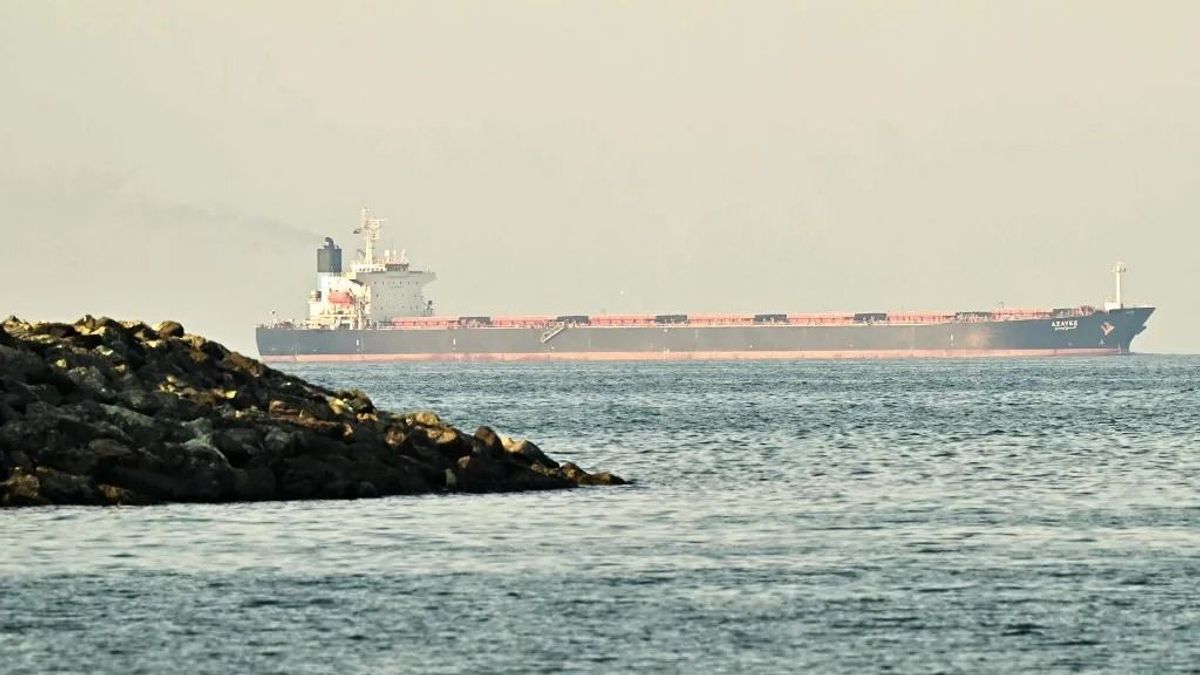
In the wake of this diplomatic setback, the United States has declared its intention to assume control over the Strait of Hormuz. This move, if successful in disrupting Iran's oil exports, could inflict severe economic damage on the Islamic Republic, which relies heavily on oil revenues. However, Tehran has made it clear that such a measure will not be accepted without a response, signaling a potential escalation of tensions.
A felek között fennálló jelentős nézetkülönbségek miatt nem sikerült megállapodásra jutni egy hosszú távú rendezési megoldásról.
The details surrounding any potential future negotiations remain unclear. The lack of a concrete agreement from the recent talks casts doubt on the possibility of achieving meaningful progress in managing the ongoing conflict. The situation remains volatile, with both nations holding firm on their positions.
This development underscores the deep-seated nature of the disputes between Iran and the United States. The failure to find common ground in Islamabad highlights the challenges ahead in de-escalating the situation and ensuring stability in the region. The world watches closely as these diplomatic efforts falter, raising concerns about the potential consequences for global energy markets and international relations.
Ha az amerikai blokád sikeresen elvágja Irán olajexportját, az súlyos csapást mérhet az Iszlám Köztársaságra, amely nagymértékben függ az olajbevételektől. Teherán azonban jelezte, hogy nem fogja szó nélkül hagyni a lépést.
DistantNews Editorial
Originally published by Magyar Nemzet in Hungarian. Translated, summarized, and contextualized by our editorial team with added local perspective. Read our editorial standards.
More Stories



From Our Blog

Countries Without a Free Press: What You Need to Know

What Press Freedom Means for the News You Read

What Gets Lost (and Found) When News Is Translated

The Critical Role of Diaspora Media in Global News

What Travellers Should Know About Countries with Restricted Press
