


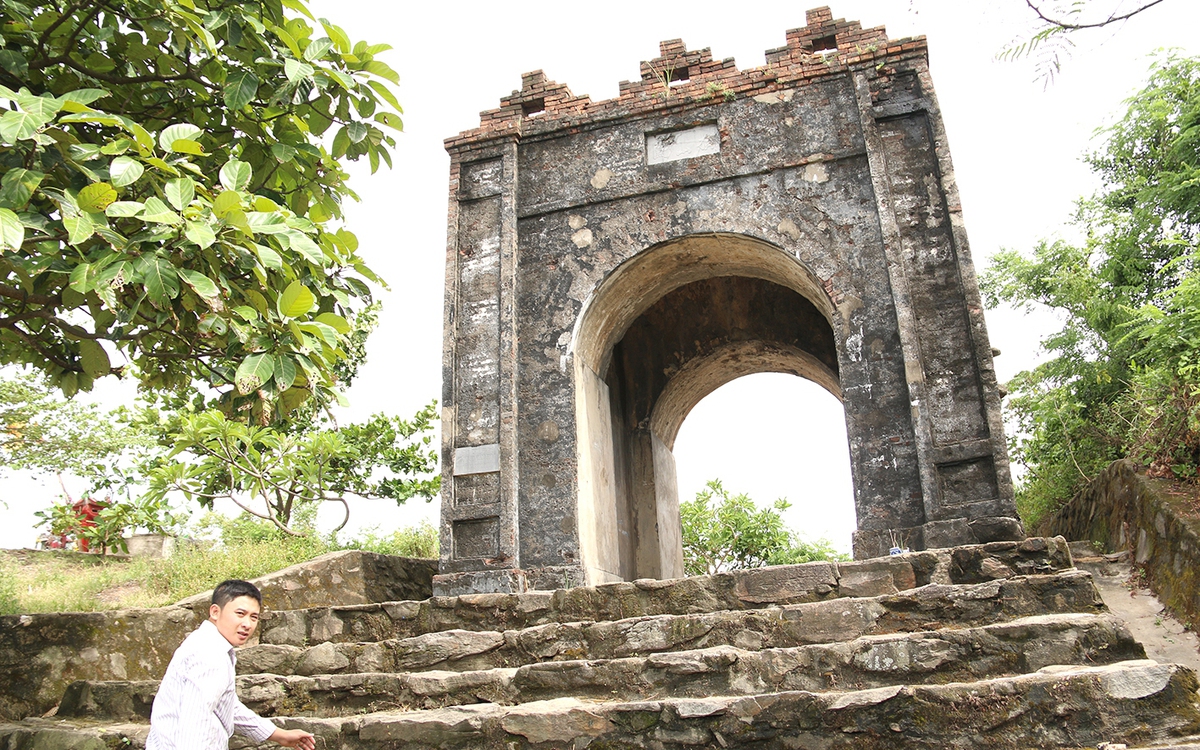
Approaching the Hoành Sơn Pass at Dusk - Part 1: A Great Milestone in the Journey of Territorial Expansion
Translated from Vietnamese, summarized and contextualized by DistantNews.
At a glance
In-depth
Sources not specified
Context piece
- The Hoành Sơn Pass and Quan are described as a pivotal historical marker, signifying the beginning of Vietnam's southward expansion era.
- The mountainous terrain historically served as a harsh natural barrier, dividing climate zones and former civilizations.
- Researchers have found remnants of ancient fortifications, believed to be the Việt-Chăm border from early history, within the Hoành Sơn mountain range.
The Hoành Sơn Pass, known historically as Hoành Sơn Quan, is presented not merely as a geographical feature but as a profound symbol of Vietnam's historical expansion. The author describes an overwhelming emotional connection to this location, considering it the starting point of a monumental era in Vietnamese history – the age of southward territorial expansion.
This mountain range, a spur of the Trường Sơn Bắc mountains, juts dramatically into the East Sea. For millions of years, it has stood as a formidable natural entity, creating a stark division between two distinct climate zones and historical regions. Its rugged granite structure, stretching approximately 50 kilometers, has historically acted as a critical bottleneck along the vital North-South route, constricting the narrow coastal plains of Central Vietnam.
The pass itself, standing at 256 meters, separates the northern province of Hà Tĩnh from the southern province of Quảng Trị, marking a climatic boundary as well. Ancient texts, such as Ô châu cận lục, describe the formidable nature of this barrier: "The mountain range from Tổ Sơn leads here, with the posture of a coiling dragon and a sitting tiger, high hills form successive barriers, stretching to the sea, with sheer cliffs ten thousand fathoms high, like a great wall guarding the southern region."
Beyond its role as a geographical and climatic divider, the Hoành Sơn range holds deep historical significance related to early border fortifications. Researchers have explored the mountains in search of remnants of the Lâm Ấp or Hoàn Vương ramparts, believed to have marked the ancient Việt-Chăm border. Despite facing considerable difficulties and dangers, these researchers have uncovered vestiges and sections of stone walls amidst the dense jungle, providing tangible links to Vietnam's early history of territorial demarcation and conflict.
The mountain range from Tổ Sơn leads here, with the posture of a coiling dragon and a sitting tiger, high hills form successive barriers, stretching to the sea, with sheer cliffs ten thousand fathoms high, like a great wall guarding the southern region.
DistantNews Editorial
Originally published by Tuổi Trẻ in Vietnamese. Translated, summarized, and contextualized by our editorial team with added local perspective. Read our editorial standards.
More Stories



From Our Blog

What Gets Lost (and Found) When News Is Translated

The Critical Role of Diaspora Media in Global News

What Travellers Should Know About Countries with Restricted Press

A Digital Nomad's Guide to Following Local News

How the Same Story Looks Different in Different Countries
