


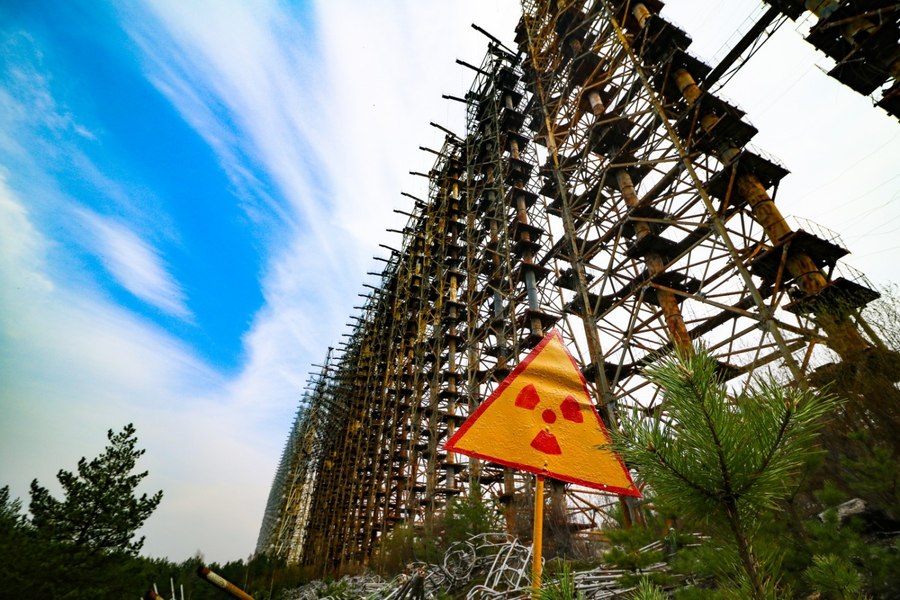
April 26: The Day of the Chernobyl Nuclear Disaster
Translated from Romanian, summarized and contextualized by DistantNews.
TLDR
- April 26 marks the anniversary of the Chernobyl nuclear disaster in 1986.
- The article also notes historical events occurring on the same date: the birth of Roman Emperor Marcus Aurelius in 121 AD and the death of Romanian poet Vasile Voiculescu in 1963.
- It briefly mentions the births of William Shakespeare in 1564 and painter Eugene Delacroix in 1798.
This article from Adevărul serves as a somber reminder of a pivotal moment in modern history: the Chernobyl nuclear disaster, which occurred on April 26, 1986. The date is etched into the collective memory of Romania and the world, symbolizing the catastrophic potential of nuclear energy when safety protocols fail. While the focus is on this tragic event, the piece also contextualizes it within a broader historical tapestry, noting other significant occurrences on the same day.
By juxtaposing the Chernobyl disaster with the birth of the Roman Emperor and Stoic philosopher Marcus Aurelius in 121 AD, the article invites reflection on the enduring nature of human endeavors, both constructive and destructive. Marcus Aurelius, known for his philosophical treatise 'Meditations,' represents a pursuit of wisdom and inner peace amidst turmoil—a stark contrast to the chaos unleashed at Chernobyl. The mention of his reign, marked by plagues and wars, perhaps subtly underscores the recurring challenges humanity faces across different eras.
Furthermore, the inclusion of literary and artistic figures like William Shakespeare and Eugene Delacroix, whose births also fall on April 26, adds another layer to the narrative. These figures represent the enduring power of human creativity and expression, offering a counterpoint to the devastation caused by the nuclear accident. From a Romanian perspective, remembering Chernobyl is not just about recounting a historical tragedy; it's about understanding the importance of vigilance, the consequences of technological hubris, and the resilience required to rebuild and move forward. The article, by weaving together these disparate historical threads, encourages a deeper contemplation of human history's complex and often contradictory nature.
DistantNews Editorial
Originally published by Adevărul in Romanian. Translated, summarized, and contextualized by our editorial team with added local perspective. Read our editorial standards.
More Stories



From Our Blog

What Gets Lost (and Found) When News Is Translated

The Critical Role of Diaspora Media in Global News

What Travellers Should Know About Countries with Restricted Press

A Digital Nomad's Guide to Following Local News

How the Same Story Looks Different in Different Countries
