


Aquatrekking: The Trendy Exercise Combining Nature and Mental Peace
Translated from Spanish, summarized and contextualized by DistantNews.
At a glance
In-depth
Named sources
Context piece
- Aquatrekking, a trending outdoor activity, combines hiking with navigating aquatic routes like lagoons, waterfalls, and streams.
- Unlike traditional hiking, it involves greater interaction with water and is less demanding than canyoning, requiring no ropes or rappelling.
- Participants report that the activity promotes mental tranquility and peace, supported by research on the calming effects of water.
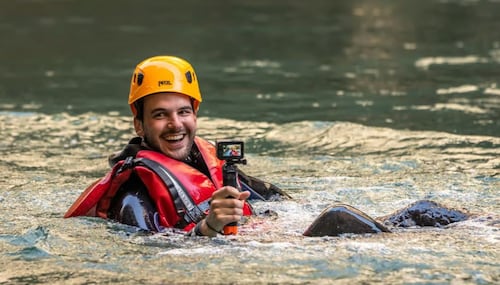
A new outdoor activity called aquatrekking is gaining popularity, offering a unique blend of nature immersion and mental well-being. This adventure sport takes participants along "aquatic routes" such as lagoons, waterfalls, canyons, and streams, providing a more challenging and adrenaline-fueled experience than traditional hiking.
Unlike traditional hiking, which is done on dry trails, aquatrekking offers much greater interaction with water.
Jean Filipe, an aquatrekking guide and instructor in Paraná, Brazil, explains that aquatrekking distinguishes itself from conventional hiking by its significant water interaction. He also notes its difference from canyoning, stating that it does not require rappelling or ropes, making it more accessible for those seeking adventure and a connection with nature. "Beyond the landscapes you see during the tour, the guide emphasizes that aquatrekking's recent popularity lies in its combination of leisure, physical activity, and connection with nature," he said.
It also differs from canyoning or canyoning in that it does not require rappelling or the use of ropes, making it a more accessible activity for those seeking adventure and connection with nature.
Many participants report a profound sense of tranquility and mental peace derived from the experience. This aligns with a growing body of academic research suggesting that proximity to or immersion in water can effectively calm the mind, reduce mental fatigue, and promote relaxation. The activity also presents opportunities for mental challenges as participants navigate small obstacles along the route.
Beyond the landscapes you see during the tour, the guide emphasizes that aquatrekking's recent popularity lies in its combination of leisure, physical activity, and connection with nature.
In Ecuador, Julio César Narváez Camejo, an aquatrekking guide in Guayaquil, notes that the best time to experience the activity is between February and April, when rainfall revitalizes the dry tropical forest, creating dynamic waterfalls and streams. He also highlights the physical demands, mentioning the effort required to walk against currents. Consequently, a basic level of physical fitness and a non-sedentary lifestyle are prerequisites for engaging in aquatrekking.
The experience changes radically because with the rain water, waterfalls and streams are formed through which we pass.
DistantNews Editorial
Originally published by El Universal in Spanish. Translated, summarized, and contextualized by our editorial team with added local perspective. Read our editorial standards.
More Stories



From Our Blog

What Press Freedom Means for the News You Read

What Gets Lost (and Found) When News Is Translated

The Critical Role of Diaspora Media in Global News

What Travellers Should Know About Countries with Restricted Press

A Digital Nomad's Guide to Following Local News
