


Arab League: Palestinian Violations Fuel Humanitarian Crisis, Undermine Law
Translated from English and summarized by DistantNews. Read the original for the full story.
At a glance
News
Named sources
Context piece
- The Arab League stated that violations in Palestine are exacerbating a humanitarian crisis and undermining international law.
- The statement followed a visit by Lebanese lawmaker Hassan Fadlallah to Tehran, which Iran's Foreign Ministry announced.
- The visit raised questions about Hezbollah's respect for Lebanese state institutions amid regional tensions and new U.S. sanctions.
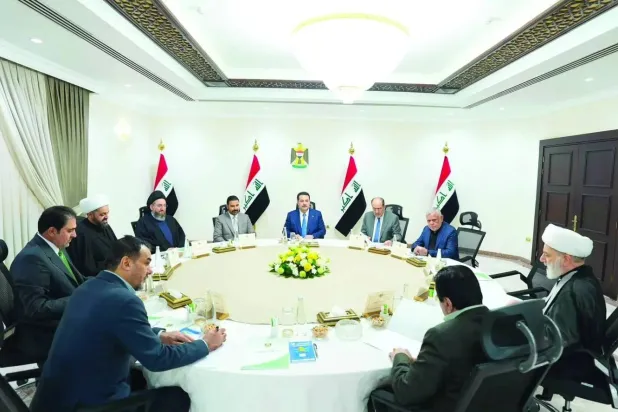
The Arab League has voiced strong concerns over the escalating humanitarian crisis in Palestine, asserting that ongoing violations are systematically undermining international law. The league's statement comes in the wake of a recent visit by Lebanese lawmaker Hassan Fadlallah to Tehran.
Iran’s Foreign Ministry said two days ago that Foreign Minister Abbas Araghchi received Fadlallah, a member of Hezbollah’s parliamentary bloc, in Tehran. Hezbollah’s representative in Iran, Abdallah Safieddine, attended the meeting. The ministry said the talks covered the latest developments in Lebanon and Israeli attacks. Araghchi reaffirmed Iran’s support for Lebanon and its “defense of its territorial integrity, dignity and national sovereignty.”
While Hezbollah's alliance with Iran is publicly known, the timing and announcement of this visit, disclosed by Iran's Foreign Ministry, have drawn particular attention. The ministry reported that Foreign Minister Abbas Araghchi met with Fadlallah, a member of Hezbollah's parliamentary bloc, and Abdallah Safieddine, Hezbollah's representative in Iran. Discussions reportedly covered developments in Lebanon and Israeli actions, with Araghchi reaffirming Iran's support for Lebanon's territorial integrity and sovereignty.
Fadlallah praised Iran’s position and what he called its strong diplomacy, urging a unified Islamic stand against Israel.
Sources within Lebanon expressed that while Hezbollah's relationship with Iran requires no interpretation and is a source of pride for both sides, the official announcement of the visit through the Iranian Foreign Ministry lends it an unprecedented official character. This has reignited questions about Hezbollah's commitment to state institutions and its role in Lebanon's political processes, especially concerning negotiations with Israel. Ministerial sources questioned whether Hezbollah would cooperate with the state or continue to defy its decisions, particularly as Iranian-American negotiations falter, potentially creating repercussions for Lebanon.
Hezbollah’s relationship with Iran “requires no interpretation. It is an alliance both sides openly take pride in.”
Adding to the complexity, communications between Lebanese President Joseph Aoun and Hezbollah have reportedly been severed, with Parliament Speaker Nabih Berri, a key Hezbollah ally, being the only remaining channel. This visit also occurred shortly after the United States imposed new sanctions on Hezbollah, targeting individuals and a network accused of facilitating fund transfers from Iran's Quds Force to the group. Hezbollah's response was to reaffirm its pride in its Iranian ties and its commitment to "the path of resistance."
“At a time when Lebanese officials are working to separate the two tracks, this visit again raises questions about whether the party respects the role of the state and the positions of its officials,”
About this summary
Originally published by Asharq Al-Awsat in English. Translated, summarized, and contextualized automatically by DistantNews, with a note on how the source frames the story. Not individually reviewed before publishing. How this works.
More Stories


From Our Blog

What Gets Lost (and Found) When News Is Translated

The Critical Role of Diaspora Media in Global News

What Travellers Should Know About Countries with Restricted Press

A Digital Nomad's Guide to Following Local News

How the Same Story Looks Different in Different Countries
