


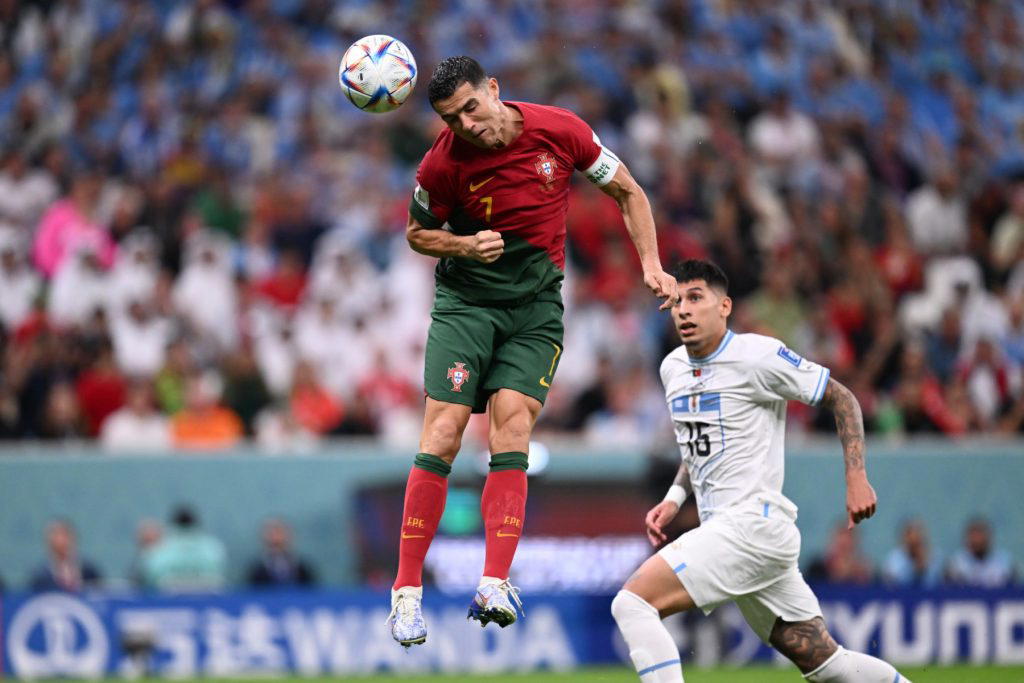
Architect of the Impossible: How Cristiano Ronaldo made self-creation believable
Translated from English, summarized and contextualized by DistantNews.
At a glance
In-depth
Sources not specified
Context piece
- Cristiano Ronaldo's 23-year football career redefined the concept of self-creation, challenging the notion that individuals are confined by their birth circumstances.
- His journey demonstrated that greatness can be built through consistent effort and ordinary decisions, rather than solely relying on innate talent.
- Ronaldo's legacy extends beyond trophies and records, offering a powerful idea that human potential is not fixed and can be actively shaped.
Cristiano Ronaldo's retirement from professional football marks the end of a 23-year career that transcended the sport itself. His journey, particularly his relentless pursuit of self-improvement, challenged the long-held belief that individuals are inherently limited by their origins. Ronaldo transformed personal discipline into a public spectacle, with every training session and match contributing to a narrative of negotiated destiny rather than predetermined fate.
Whether one admired him or questioned him, one truth remained impossible to deny: he never surrendered quietly to circumstance. That relentless refusal may ultimately become his greatest achievement.
Beyond the trophies and records, Ronaldo's most enduring legacy may be the idea that human potential is not static. He presented a philosophy where greatness is not a mysterious gift but a structure meticulously built through consistent, ordinary decisions. This contrasted with the cultural fascination for effortless natural brilliance, suggesting that dedication and hard work could forge extraordinary achievements.
His career suggested that greatness was not simply a miracle waiting to be uncovered but a structure that could be built, patiently and relentlessly, through thousands of ordinary decisions repeated with extraordinary consistency.
His story began in Madeira, a place of beauty but also scarcity, where dreams often outstripped opportunities. His mother's resourcefulness and his father's struggles with alcoholism formed the backdrop to a childhood that offered few clues to the global icon he would become. This humble beginning underscores the transformative power of his self-made career, proving that circumstances of birth do not dictate the ultimate reach of human ambition.
He became less a footballer than an architect working upon the only material he could ever completely control: himself.
DistantNews Editorial
Originally published by Vanguard in English. Translated, summarized, and contextualized by our editorial team with added local perspective. Read our editorial standards.
More Stories


From Our Blog

How the Same Story Looks Different in Different Countries

What Gets Lost (and Found) When News Is Translated

The Critical Role of Diaspora Media in Global News

What Travellers Should Know About Countries with Restricted Press

A Digital Nomad's Guide to Following Local News
