


Architecture and Sustainability: The Evolving Campuses of TU Graz
Translated from German, summarized and contextualized by DistantNews.
At a glance
In-depth
Sources not specified
Context piece
- The Technical University of Graz (TU Graz) has evolved across three distinct campuses, reflecting its growth since its founding in 1811.
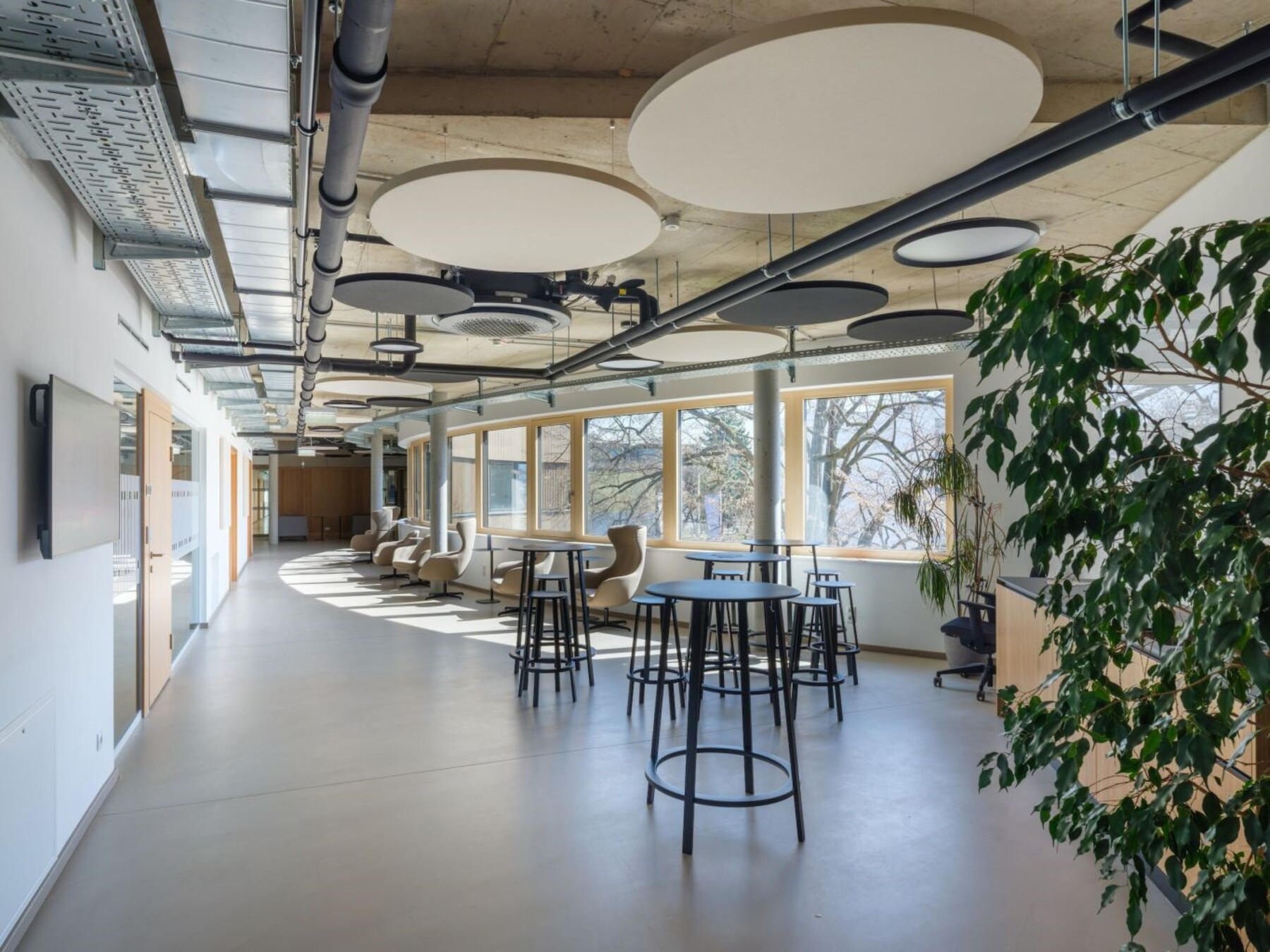
- The university's architecture showcases a blend of historical and modern designs, adapting former residential buildings and constructing new facilities.
- Key architectural highlights include the "Alte Technik" main building, the library tower by Karl Raimund Lorenz, and the "Campus Neue Technik" with structures by Szyszkowitz and Domenig.
The Technical University of Graz (TU Graz) stands as a testament to evolving architectural and academic needs, spread across three distinct campuses in the city's southwest. Originating from the Joanneum, founded in 1811, TU Graz now educates a quarter of Graz's 60,000 students, focusing on technology, natural sciences, and civil engineering. The "Alte Technik," built between 1885 and 1888, serves as the historic heart, a grand Gründerzeit structure that has gradually absorbed surrounding residential buildings for its institutes and labs. Notable additions include the 1970 library tower by Karl Raimund Lorenz and Günther Domenig's 1983 "Erweiterungsbau" nestled in the park.
Recognizing the need for knowledge transfer, the "Campus Neue Technik" was established in 1921. This campus features expressive architecture, such as the 1990 horseshoe-shaped building for Biochemistry/Biotechnology by Michael Szyszkowitz and Karla Szyszkowitz-Kowalski, a prime example of the late Graz School. Adjacent to it, the "Alte Chemie" offers a contrast with its elegant post-war modern design featuring slender exposed concrete columns.
The "Inffeldgründe" in St. Peter, developed in the late 1970s for large-scale engineering and science experiments, has become the largest campus. It is slated to contain approximately 185,000 m² of net floor area by 2030. Early structures like the 1972 high-voltage building, now the "Nikola-Tesla-Labor," reflect a past enthusiasm for technology. More recent developments include the modernization of the Maschinentechnische Institute building by Ernst Giselbrecht and the clear, modular design of the Computer Science and Biomedical Engineering building by Riegler-Riewe, characterized by eight exposed concrete blocks.
DistantNews Editorial
Originally published by Die Presse in German. Translated, summarized, and contextualized by our editorial team with added local perspective. Read our editorial standards.
More Stories


From Our Blog

What Gets Lost (and Found) When News Is Translated

The Critical Role of Diaspora Media in Global News

What Travellers Should Know About Countries with Restricted Press

A Digital Nomad's Guide to Following Local News

How the Same Story Looks Different in Different Countries
