


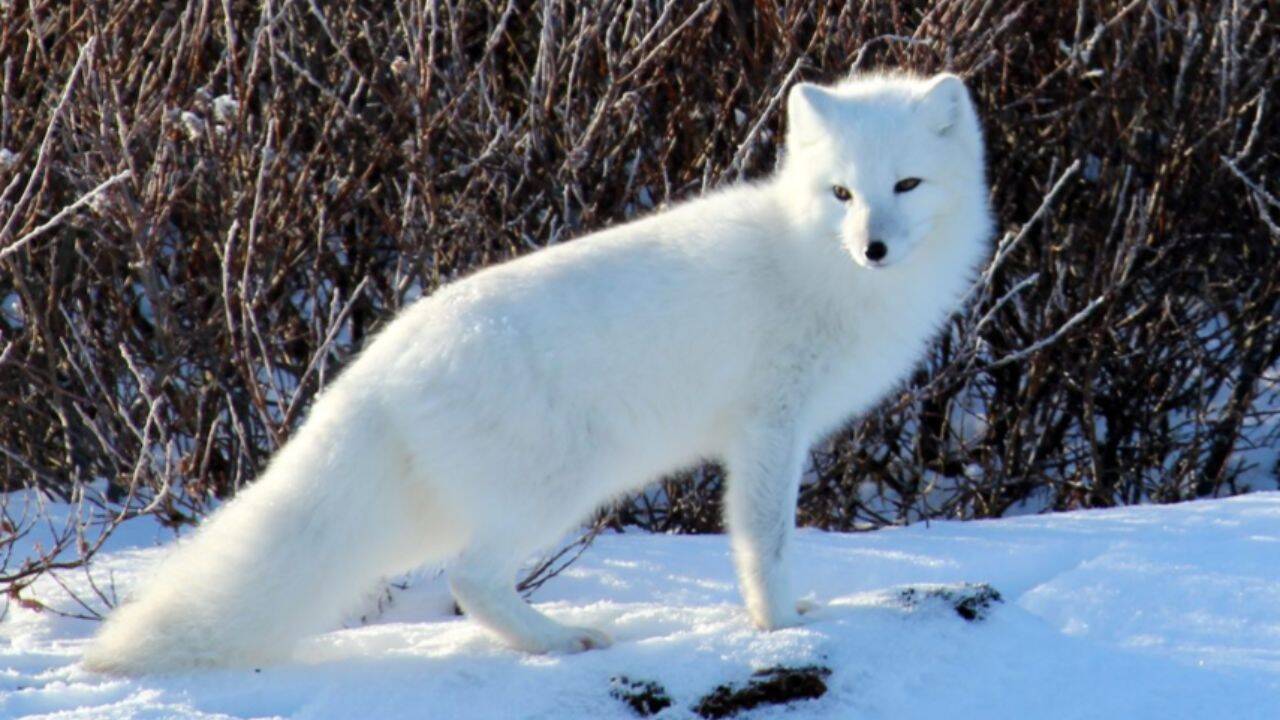
Arctic Foxes Introduced for Fur Radically Transformed Alaskan Islands into Tundra
Translated from English, summarized and contextualized by DistantNews.
At a glance
In-depth
Documents & data
Context piece
- Arctic foxes introduced to over 400 Alaskan islands for fur farming drastically altered ecosystems.
- By preying on seabirds, the foxes reduced nutrient transfer from the ocean to land via guano.
- Islands without foxes showed more seabirds, richer soil, and abundant grass, contrasting with fox-infested islands that shifted towards shrubs and forbs.
The introduction of Arctic foxes to more than 400 islands in Alaska, initially for the fur trade, has had a profound and unexpected impact on the region's ecosystems. These introduced predators triggered a cascade of changes, fundamentally altering the natural balance of the islands.
A key consequence of the foxes' presence was their predation on seabirds. This dietary habit significantly reduced the natural flow of nutrient-rich guano from the marine environment onto the land. Guano is a vital fertilizer, and its diminished supply altered soil composition and plant life.
Researchers observed a stark contrast between islands with and without Arctic foxes. Islands free of foxes supported larger seabird populations, exhibited richer soil quality, and maintained lush grasslands. Conversely, islands inhabited by the foxes transformed, with vegetation shifting towards shrubs and forbs, indicating a less diverse and altered ecological state.
DistantNews Editorial
Originally published by Times of India in English. Translated, summarized, and contextualized by our editorial team with added local perspective. Read our editorial standards.
More Stories

From Our Blog

What Press Freedom Means for the News You Read

What Gets Lost (and Found) When News Is Translated

The Critical Role of Diaspora Media in Global News

What Travellers Should Know About Countries with Restricted Press

A Digital Nomad's Guide to Following Local News
