

In 1958, the US moved 25 caribou to an Alaska island as emergency food for military personnel
Summarized and contextualized by DistantNews.
At a glance
In-depth
Sources not specified
Context piece
- In 1958, 25 caribou were moved to an Alaskan island to serve as emergency food for military personnel.
- Following the closure of the military base, the caribou population exploded due to a lack of predators and hunting.
- This unchecked growth led to significant overgrazing, harming the island's flora and soil, and prompting migration to Kagalaska Island.
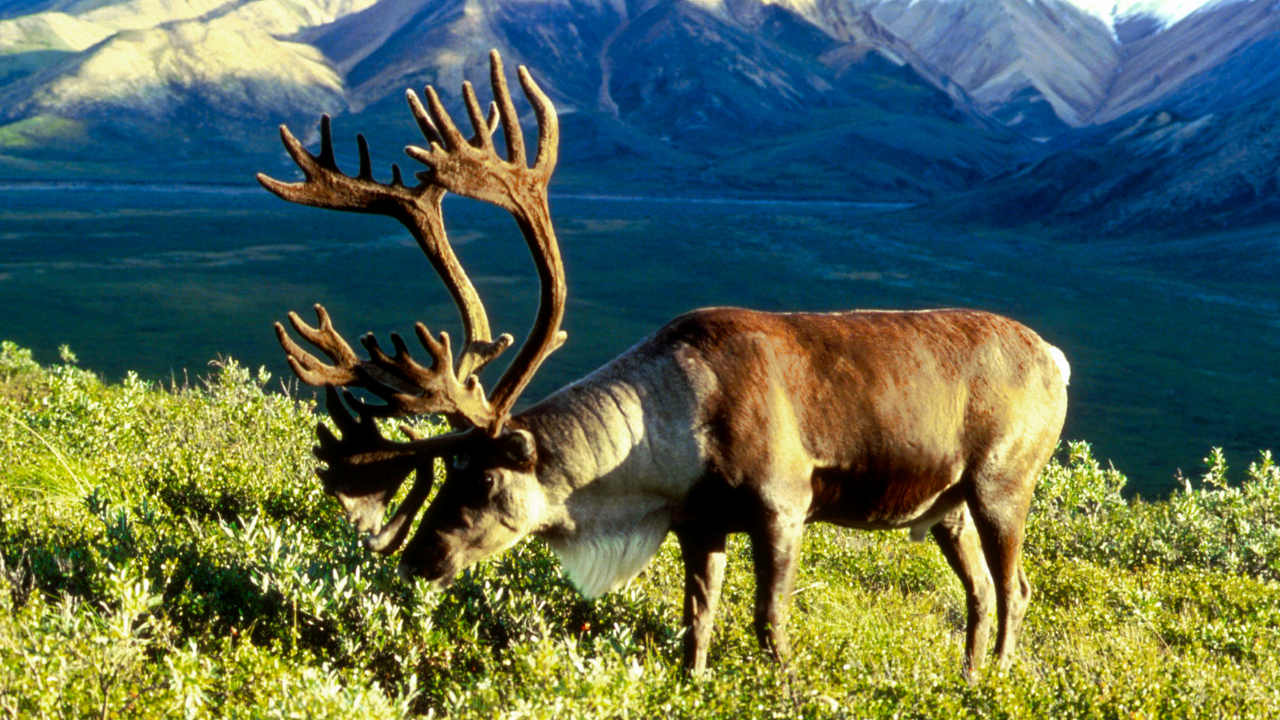
In 1958, the U.S. military introduced 25 caribou to an Alaskan island, intending them as a crucial emergency food source for personnel stationed there. After the military base eventually closed, the caribou herd remained. Without natural predators or human hunting pressure, their population experienced an exponential surge.
This unchecked proliferation led to severe ecological consequences. The caribou population's rapid growth resulted in significant overgrazing, which damaged the island's delicate plant life and degraded the soil. The ecological balance was severely disrupted by the animals' sheer numbers and their impact on the environment.
As a result of the degraded habitat and sheer population density, the caribou began migrating to the nearby Kagalaska Island. This new migration has raised fresh ecological concerns for wildlife authorities, who now face the challenge of managing the caribou population and mitigating further environmental damage on Kagalaska Island.
DistantNews Editorial
Originally published by Times of India. Summarized and contextualized by our editorial team with added local perspective. Read our editorial standards.
More Stories



From Our Blog

What Press Freedom Means for the News You Read

What Gets Lost (and Found) When News Is Translated

The Critical Role of Diaspora Media in Global News

What Travellers Should Know About Countries with Restricted Press

A Digital Nomad's Guide to Following Local News
