

Are Malaysian apartment designs ready for green energy?
Translated from Malay, summarized and contextualized by DistantNews.
At a glance
News
Sources not specified
Context piece
- Many Malaysian high-rise buildings, especially older ones, are not yet ready for a transition to green energy due to high retrofitting costs.
- New buildings designed with green energy principles are more cost-effective than retrofitting existing structures.
- Integrating energy efficiency and green infrastructure from the design phase is crucial for sustainable urban development and meeting 2030 SDG goals.
A significant portion of Malaysia's high-rise residential buildings, particularly those constructed before the widespread adoption of sustainable development guidelines, are ill-prepared to support a shift towards green energy. The primary obstacle is the substantial cost associated with retrofitting older structures to meet green energy standards, making new constructions with integrated sustainable features a more economically viable option.
Muhammad Nazhan Kamaruzuki, an Associate Research Fellow at the Khazanah Research Institute (KRI), emphasized that energy efficiency and the capacity of buildings to support green infrastructure must be prioritized in housing development. This aligns with technological advancements and the increasing use of renewable energy, crucial for the residential sector's move toward sustainability and achieving the government's 2030 Sustainable Development Goals (SDG).
However, this is not happening in Malaysia because the concept of vertical or high-rise residences inherently requires high energy consumption to ensure every facility and infrastructure can operate to accommodate the density of residents.
Kamaruzuki noted that vertical residences like apartments and condominiums should inherently support urban sustainability by conserving land and reducing urban sprawl. However, he observed that in Malaysia, these types of buildings often require high energy consumption to operate essential facilities for dense populations. Academic studies suggest that the aesthetic focus on elements like glass facades in vertical residences, while visually modern, increases energy demand for cooling, failing to account for Malaysia's tropical climate.
While some existing apartments and condominiums have achieved green ratings, Kamaruzuki stressed that energy efficiency must be embedded during the design phase, not just implemented during construction. He pointed out that retrofitting existing buildings faces limitations due to engineering constraints and legal regulations. Kamaruzuki concluded that greening the residential sector, including apartments and condominiums, requires a holistic approach across all development stages: planning, local authority approval, design, construction, and operational management. Different phases require specific green technologies and approaches, with limitations on what can be applied.
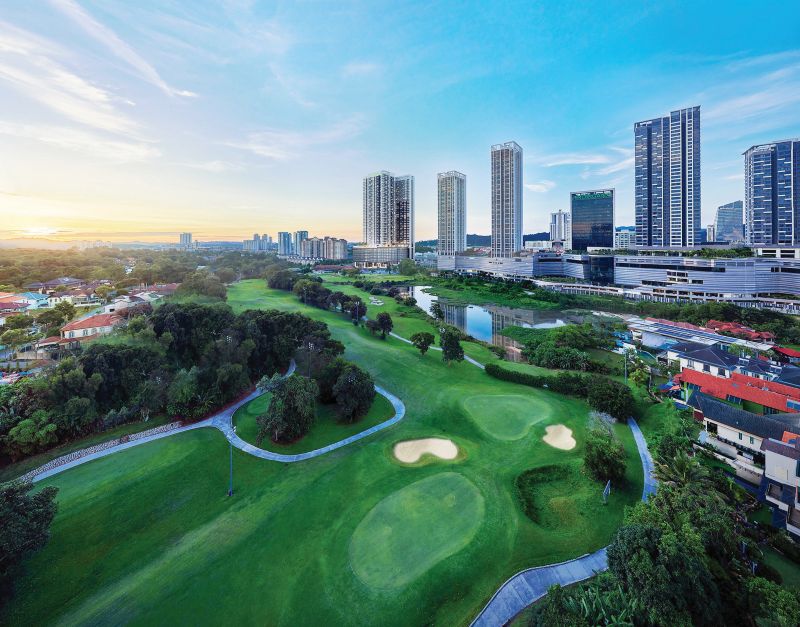
Designs like this look modern and attractive, but do not take into account the reality of the country's tropical climate.
DistantNews Editorial
Originally published by Utusan Malaysia in Malay. Translated, summarized, and contextualized by our editorial team with added local perspective. Read our editorial standards.
More Stories
From Our Blog

What Gets Lost (and Found) When News Is Translated

The Critical Role of Diaspora Media in Global News

What Travellers Should Know About Countries with Restricted Press

A Digital Nomad's Guide to Following Local News

How the Same Story Looks Different in Different Countries
