


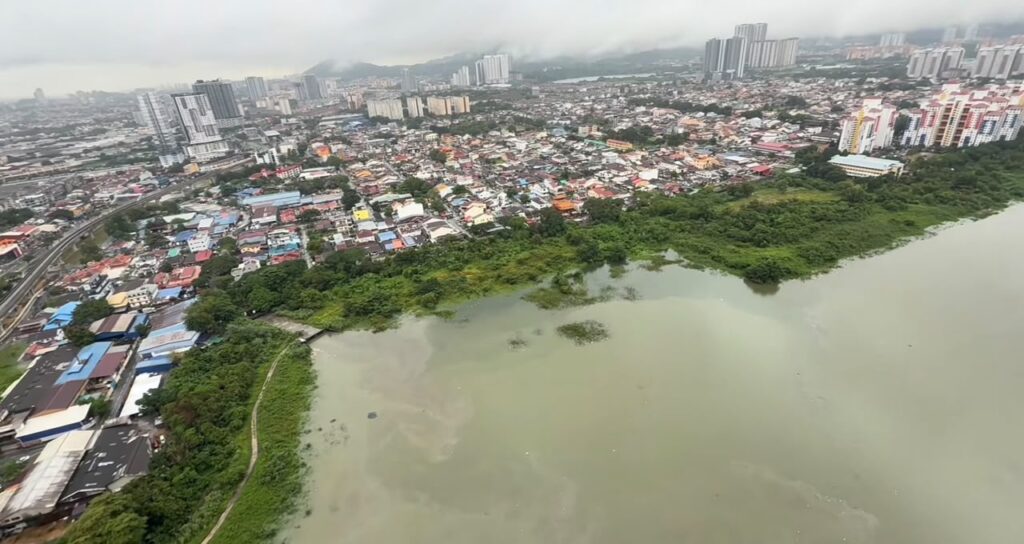
Malaysia's development boom fuels flood risks, experts warn
Translated from Malay, summarized and contextualized by DistantNews.
At a glance
News
Sources not specified
Context piece
- Urban development in Malaysia is exacerbating flood risks by disregarding environmental functions and reducing green spaces and retention ponds.
- This trend is overwhelming existing natural systems, leading to more severe flooding, as seen in areas like Taman Sri Muda and parts of Kuala Lumpur.
- Activists and experts criticize local authorities for approving development without adequate infrastructure, urging the return of public spaces and stricter adherence to environmental protection orders.
Malaysia's rapid urban development is increasingly jeopardizing the safety of millions by neglecting crucial environmental functions, leading to heightened flood risks. Experts warn that construction that disregards natural systems, such as green spaces, open areas, and retention ponds, not only increases property damage but also threatens lives.
If this trend continues, the impact of floods will worsen because the existing system is no longer able to cope with the increased water flow due to rapid development.
These natural elements play a vital role in managing rainwater flow. However, the current development trend is overwhelming these systems, making them incapable of handling increased water volumes during heavy rainfall. This has resulted in more severe flooding events. The article points to Taman Sri Muda in Shah Alam, which experienced a major flood in 2021 due to inadequate drainage and water catchment capacity, as a prime example of the consequences.
Development should not be carried out at the expense of green areas and natural systems that serve as the primary protection against flood disasters.
Environmental activists have also raised concerns about the shrinking or infilling of retention ponds for development purposes in areas like Kepong and Jinjang in Kuala Lumpur. Similarly, rapid housing and commercial development in Puchong and Subang Jaya are reducing water absorption areas, escalating flood risks for residents during intense downpours. Recent flash floods in Kuala Lumpur, including repeated incidents in Petaling Jaya, underscore significant weaknesses in urban planning and drainage management.
All water retention ponds, green areas, and public open spaces that have been handed over without prior consultation with the people must be returned to their original status immediately.
Critics label the situation as gross negligence by local authorities and policymakers. They are calling for the immediate restoration of all public retention ponds, green spaces, and open areas that were handed over without public consultation. Despite previous directives from the Prime Minister to preserve water catchment areas, these have reportedly remained mere statements on paper, with no tangible action taken for over nine months. There is a strong call for decisive action against authorities failing to comply with these environmental preservation orders, as unchecked development by developers, coupled with revenue collection by local councils, leaves citizens bearing the brunt of the suffering.
For more than nine months since the directive was issued, no tangible follow-up action has been taken at the implementation level.
DistantNews Editorial
Originally published by Utusan Malaysia in Malay. Translated, summarized, and contextualized by our editorial team with added local perspective. Read our editorial standards.
More Stories

From Our Blog

What Gets Lost (and Found) When News Is Translated

The Critical Role of Diaspora Media in Global News

What Travellers Should Know About Countries with Restricted Press

A Digital Nomad's Guide to Following Local News

How the Same Story Looks Different in Different Countries
