


Argentina clones first pig in Latin America for human transplants
Translated from Spanish, summarized and contextualized by DistantNews.
At a glance
News
Sources not specified
New plan
- Scientists in Argentina have successfully cloned the first genetically modified pig in Latin America, intended for organ transplantation into humans.
- This breakthrough marks the third documented case globally, following advancements in the United States and China.
- The project aims to address the critical shortage of organs for transplantation, with Argentina facing a significant gap between demand and available donors.
Argentine scientists have achieved a historic milestone by successfully cloning the first genetically modified pig in Latin America, engineered for potential organ transplantation into humans. This accomplishment places Argentina third globally, after the United States and China, in this specialized field of xenotransplantation.
The breakthrough is the result of a collaboration between the Faculty of Veterinary Sciences at the University of Buenos Aires (UBA) and the Institute of Biotechnological Research at the National University of San Martín (UNSAM). Researchers successfully modified three genes responsible for triggering aggressive immune responses in humans, which typically lead to the rejection of transplanted animal organs.
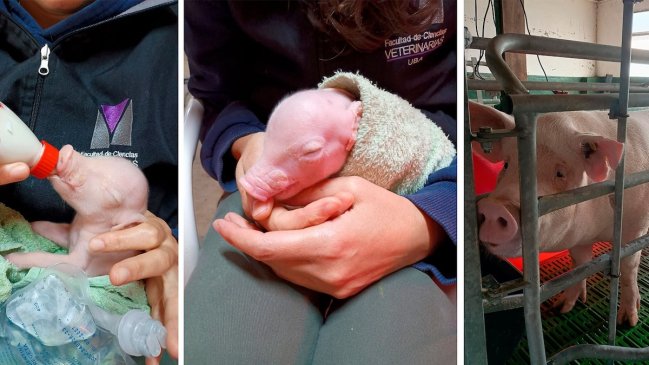
The cloning process and embryo editing were conducted at UNSAM labs. The UBA veterinary team managed the gestation and birth of the first piglet in April. Veterinarian Marcelo Acerbo, a professor at UBA's Faculty of Veterinary Sciences, explained that their role was the final link in the project, overseeing the pregnancy and birth, and initiating the piglets' rearing phase. The team is currently caring for two more pregnant sows and plans to have five additional clones.
The next phase involves introducing seven more genes to enhance organ compatibility with the human body. This includes blocking growth hormones to adjust the size of organs like the liver or heart, which in adult pigs can exceed human capacity, ensuring full functionality. This endeavor seeks to provide a viable solution to the profound global shortage of organs. In Argentina alone, approximately 7,000 people urgently need transplants, with only nine donors per million inhabitants available.
DistantNews Editorial
Originally published by Cooperativa in Spanish. Translated, summarized, and contextualized by our editorial team with added local perspective. Read our editorial standards.
More Stories



From Our Blog

What Gets Lost (and Found) When News Is Translated

The Critical Role of Diaspora Media in Global News

What Travellers Should Know About Countries with Restricted Press

A Digital Nomad's Guide to Following Local News

How the Same Story Looks Different in Different Countries
