


Argentina Convenes Agricultural Sector to Advance Seed Law Reform
Translated from Spanish, summarized and contextualized by DistantNews.
At a glance
News
Named sources
Under investigation
- Argentina's government is meeting with agricultural entities to discuss a new seed law.
- The proposed law aims to reach a consensus on intellectual property protection and the use of new technologies in seed development.
- Key points of discussion include updating the current system, protecting genetic innovation, and the producers' right to self-use seeds.
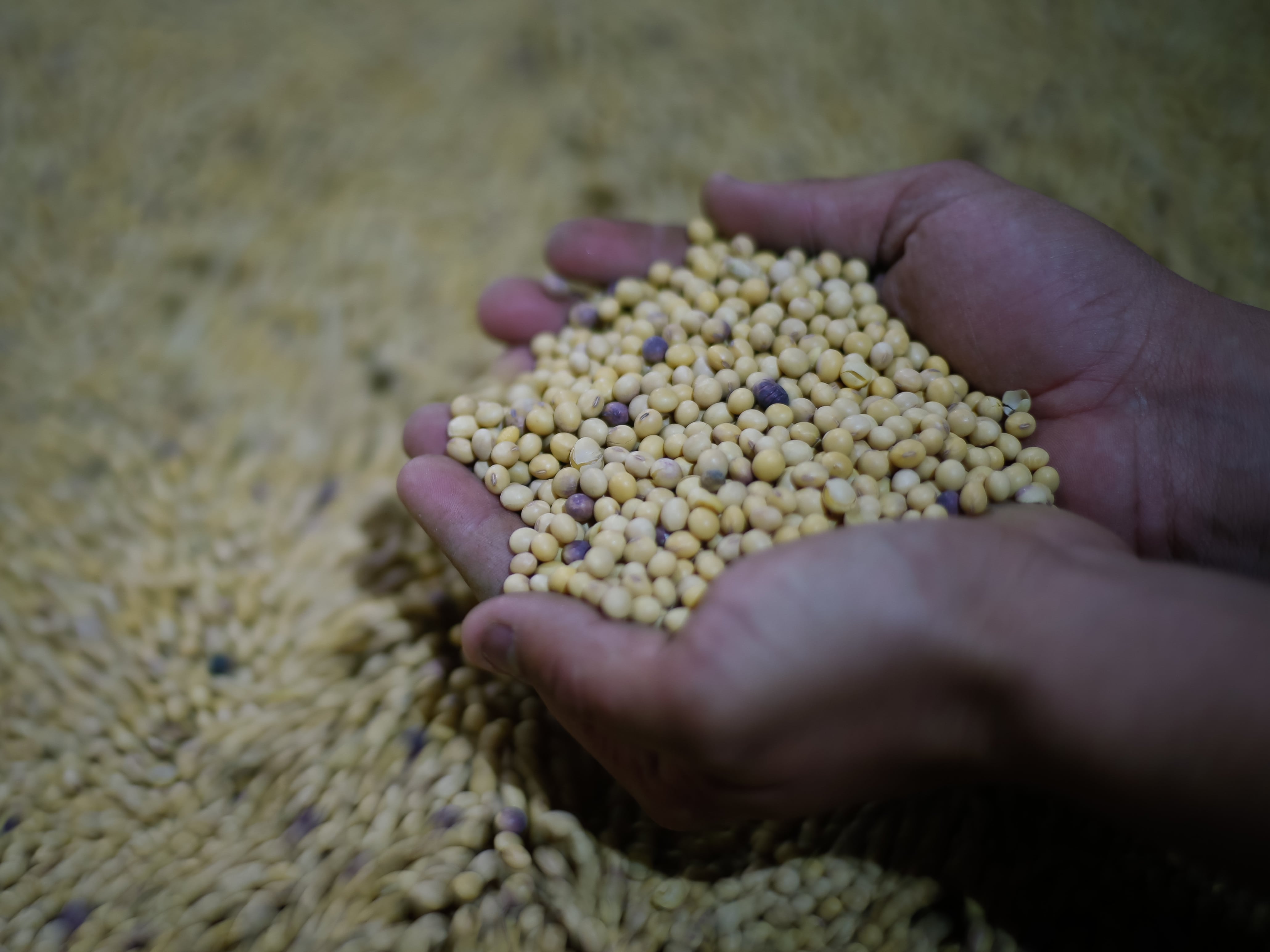
Argentina's Ministry of Agriculture and the National Seed Institute (Inase) have convened with major agricultural organizations to advance discussions on a new seed law. Representatives from the Argentine Association of Agricultural Experimentation Consortiums (Aacrea), the Argentine Association of Direct Seeding Producers (Aapresid), and the Argentine Seed Association (ASA) met Tuesday to seek consensus. This meeting is part of a series of government-led initiatives to bridge the gap between producers, breeders, and the seed industry regarding intellectual property rights and the adoption of new technologies. The official intention is to work through various existing proposals to build a common position. While there is general agreement on the need to modernize the current seed system, significant differences persist. These include how to protect genetic innovation and the practical application of the right for producers to use their own harvested seeds, particularly for self-pollinating crops like soybeans. The current law permits producers to retain a portion of their harvest for use as seed in the following season. In March, the Mesa de Enlace agricultural coalition submitted a joint proposal. It advocates for maintaining the current self-use provision while introducing mechanisms to acknowledge and compensate for investments in genetic improvement. This proposal aimed to create a unified stance from rural organizations to resolve a long-standing debate. This initiative followed Argentina's commitment to adhere to the 1991 Act of the International Union for the Protection of New Varieties of Plants (UPOV) as part of an agreement on trade and investment with the United States. Adherence requires submitting a bill to Congress and subsequent regulation. The UPOV 1991 Act generally offers stronger intellectual property protection for plant breeders. The seed industry has also presented an alternative proposal, though its details remain undisclosed. This sector has been calling for clearer rules and more effective tools for intellectual property protection, arguing it would accelerate the introduction of new varieties and technologies into the Argentine market. The final regulatory instrument for implementing these changes has not yet been determined.
DistantNews Editorial
Originally published by La Nación in Spanish. Translated, summarized, and contextualized by our editorial team with added local perspective. Read our editorial standards.
More Stories



From Our Blog

What Gets Lost (and Found) When News Is Translated

The Critical Role of Diaspora Media in Global News

What Travellers Should Know About Countries with Restricted Press

A Digital Nomad's Guide to Following Local News

How the Same Story Looks Different in Different Countries
