


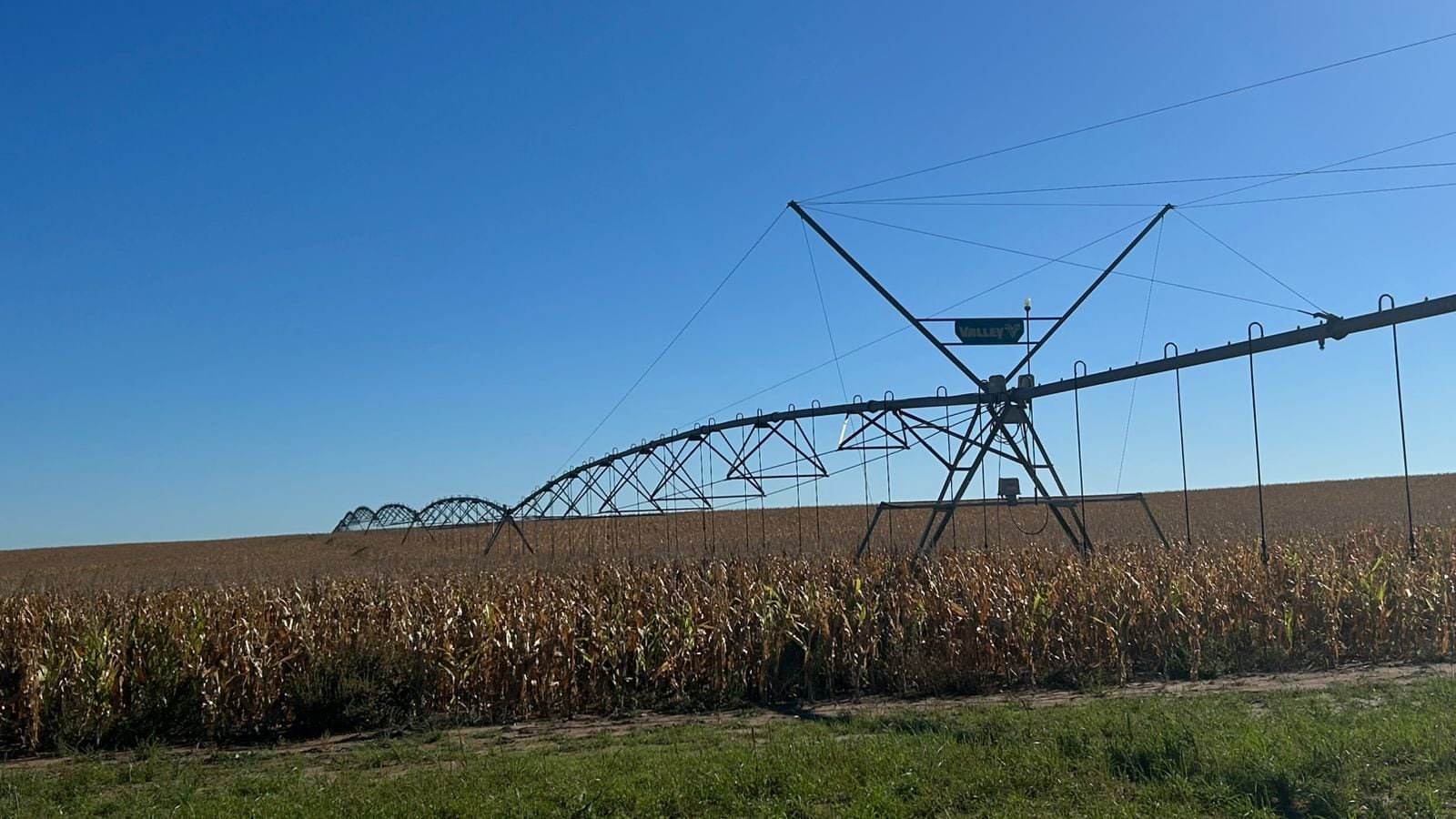
Argentina defines agricultural investments eligible for tax benefits without minimums
Translated from Spanish, summarized and contextualized by DistantNews.
At a glance
News
Official statement
New plan
- Argentina's government has defined specific agricultural investments eligible for tax benefits under the RIMI program without minimum investment thresholds.
- These include investments in irrigation systems, energy-efficient equipment, hail protection nets, and livestock.
- The measure aims to incentivize national and foreign investment, boost economic development, and enhance the competitiveness of the agricultural sector.
Argentina's government has formalized a significant regulatory update, defining which agricultural investments can access tax benefits under the Incentive Regime for Medium Investments (RIMI) without meeting minimum investment amounts. This move aims to further stimulate the agricultural sector.
The resolution, published in the Official Bulletin, specifies that investments in irrigation systems, energy-efficient goods, hail protection nets for agriculture, and livestock are now eligible for these benefits, regardless of the capital involved. This aligns with the RIMI's broader objective, established by law 27.802, to encourage both domestic and foreign investment, foster economic growth, strengthen value chains, improve sector competitiveness, create jobs, and increase exports.
Previously, the RIMI offered tax incentives such as accelerated depreciation on income tax and VAT fiscal credit refunds for productive investments. However, these benefits were generally contingent on meeting specific minimum investment figures within a two-year timeframe. The new regulation carves out exceptions for strategically important agricultural activities.
The inclusion of these specific agricultural investments is particularly relevant for activities that require continuous upgrades in infrastructure and technology to boost productivity or mitigate climate-related risks. The government's aim is to support farmers in adopting modern practices and enhancing their resilience in the face of a variable climate.
DistantNews Editorial
Originally published by La Nación in Spanish. Translated, summarized, and contextualized by our editorial team with added local perspective. Read our editorial standards.
More Stories

From Our Blog

What Gets Lost (and Found) When News Is Translated

The Critical Role of Diaspora Media in Global News

What Travellers Should Know About Countries with Restricted Press

A Digital Nomad's Guide to Following Local News

How the Same Story Looks Different in Different Countries
