


Middle East war, fuel costs force airlines to halve profit projections
Translated from Spanish, summarized and contextualized by DistantNews.
At a glance
News
Named sources
Context piece
- Airlines have halved their profit projections for the year due to the Middle East conflict and soaring fuel costs.
- The International Air Transport Association (IATA) forecasts a 70% increase in average jet fuel prices, adding $100 billion to the industry's fuel bill.
- Despite rising costs, passenger and cargo demand remains robust, though profitability is expected to significantly decrease.
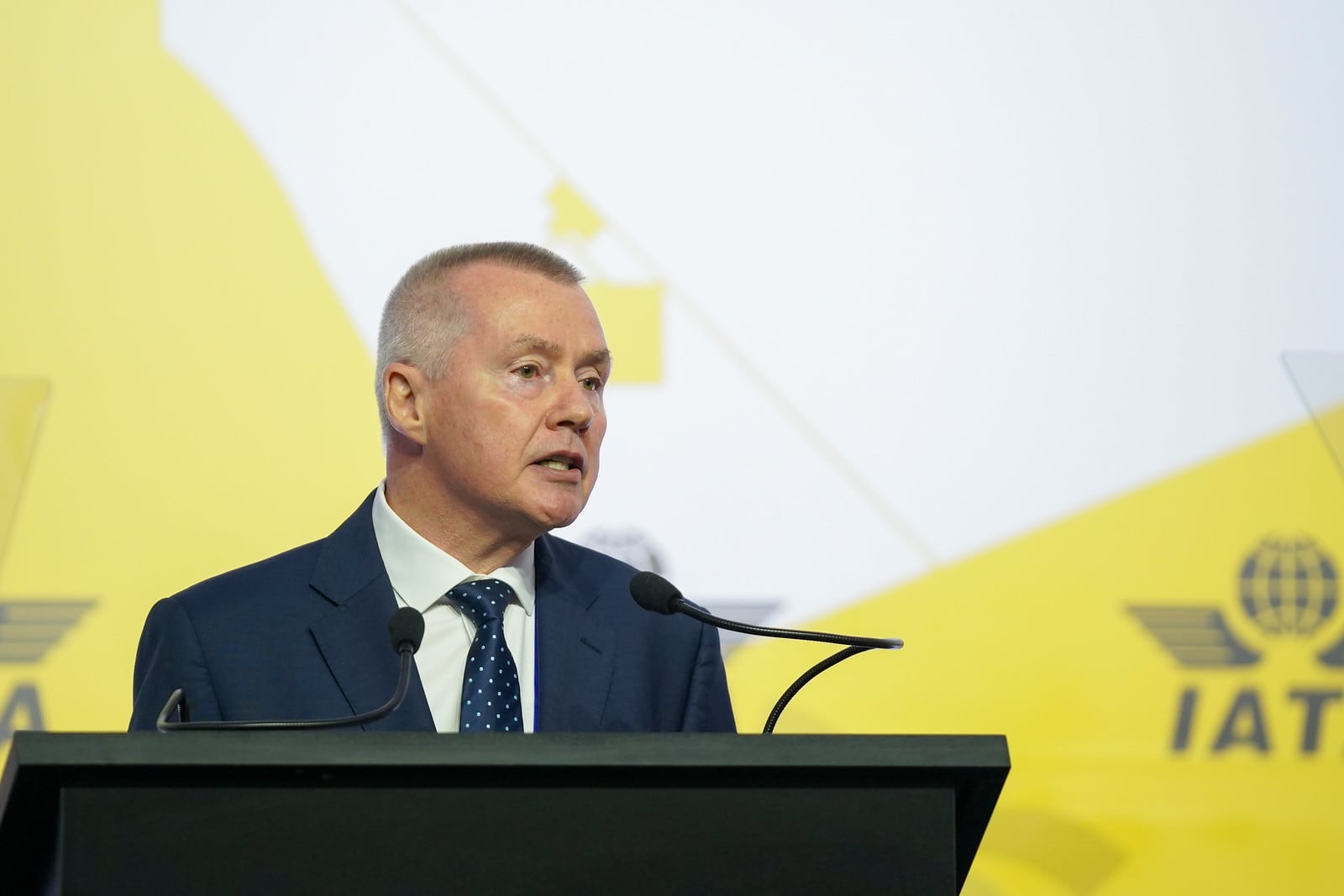
The global airline industry faces a challenging year, with profit forecasts slashed by half as geopolitical tensions in the Middle East and a sharp rise in fuel prices significantly impact operations. Willie Walsh, Director General of the International Air Transport Association (IATA), announced these revised projections during the association's 82nd Annual General Meeting in Rio de Janeiro.
Another time we find ourselves in challenging and unpredictable times. After Covid we face failures in the aerospace supply chain, the war in Ukraine, geopolitical tensions and tectonic shifts in trade policies. And when the war in the Middle East broke out in March, oil prices rose and jet fuel prices soared.
Walsh highlighted the compounding difficulties, noting that the industry is grappling with aerospace supply chain issues, the war in Ukraine, and now the conflict in the Middle East, which triggered a surge in oil and jet fuel prices. IATA anticipates that the average price of aviation fuel will climb by 70% year-on-year, resulting in an additional $100 billion in fuel expenses for airlines worldwide.
We expect it to be reduced by approximately half compared to 2025.
Despite these headwinds, demand for air travel continues to grow, albeit at a more moderate pace. IATA forecasts a 2.1% expansion in passenger traffic and a 0.7% increase in air cargo. However, the increased operational costs are expected to erode profitability, with net profits projected to fall from $45 billion to $23 billion in 2026, and the net margin shrinking from 4.2% to 2%.
It's a difficult year for all airlines, especially for those whose balance sheets have not yet recovered from Covid. And, of course, for those operating in the Gulf region.
Walsh also reiterated criticisms directed at aircraft engine manufacturers for persistent issues affecting the delivery of new planes, which he stated cost the industry $11 billion last year. He emphasized the need for manufacturers to improve their performance and product quality, questioning the acceptability of delivering substandard products while maintaining high profit margins.
The manufacturers of engines have to improve their performance. Before, when we bought an airplane, we didn't discuss whether the engine was going to work. Something changed.
DistantNews Editorial
Originally published by La Nación in Spanish. Translated, summarized, and contextualized by our editorial team with added local perspective. Read our editorial standards.
More Stories



From Our Blog

What Gets Lost (and Found) When News Is Translated

The Critical Role of Diaspora Media in Global News

What Travellers Should Know About Countries with Restricted Press

A Digital Nomad's Guide to Following Local News

How the Same Story Looks Different in Different Countries
