


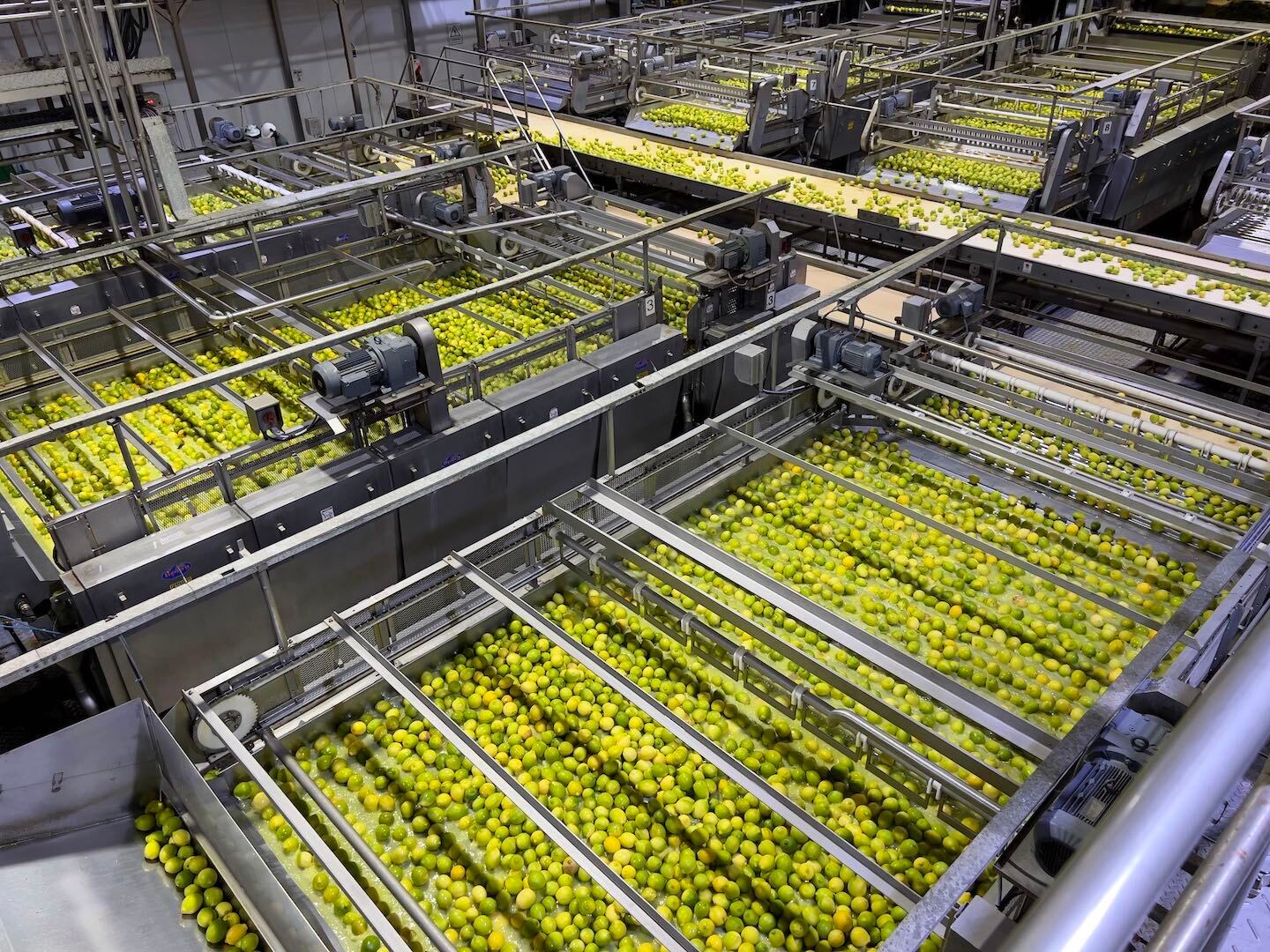
Argentine citrus producers warn of drastic halt due to gas shortages and soaring energy costs
Translated from Spanish, summarized and contextualized by DistantNews.
At a glance
News
Sources not specified
Context piece
- Argentine citrus producers warn of imminent operational halts due to natural gas shortages and soaring energy costs.
- The lack of reliable gas supply threatens the 2026 harvest and production campaign in the Northwest region.
- Producers face a stark choice between halting operations or incurring unsustainable costs by importing liquefied natural gas at international market prices.
Citrus industry leaders in Argentina's Northwest region are sounding the alarm over a severe natural gas shortage and escalating energy prices, warning that operations could grind to a halt. The Association of Citrus of the Northwest Argentine (Acnoa) expressed "concern" over the "lack of natural gas supply and the disproportionate escalation of energy costs," which they say put "the continuity of the harvest and the 2026 production campaign in the entire region in imminent risk."
Tucumán's Minister of Economy and Production, Daniel Abad, echoed these concerns in a note to the Secretariat of Energy. While extreme temperatures have not yet justified an emergency, he stated that the northern region is once again bearing the brunt of the issue. Abad urged that any energy supply measures must consider "criteria of federal equity and not deepen the existing asymmetries between the country's different regions."
Acnoa reported that commitments for gas supply to the north have been "severely undermined" by a new national energy reorganization. Processing plants in Tucumán are reportedly in a "ramp 0" scheme, meaning operations are severely restricted. The association warns that this situation "forces" citrus industries to consider the "drastic alternative of completely halting their operations." The limited gas supply available is insufficient to sustain production processes.
Producers highlight that current national policy compels the sector to seek Liquefied Natural Gas (LNG) on the international market. This option is economically unviable, with international LNG prices reaching up to $24 per million BTU, a fivefold increase compared to the cost of competitive grid gas. Operating under these crisis prices would result in "pure loss," destroying competitiveness and making it impossible to pass costs onto export products. A halt in lemon processing would paralyze exports and foreign currency earnings during a critical, seasonal period, with a "devastating" social impact on an estimated 50,000 direct and indirect workers.
DistantNews Editorial
Originally published by La Nación in Spanish. Translated, summarized, and contextualized by our editorial team with added local perspective. Read our editorial standards.
More Stories


From Our Blog

What Gets Lost (and Found) When News Is Translated

The Critical Role of Diaspora Media in Global News

What Travellers Should Know About Countries with Restricted Press

A Digital Nomad's Guide to Following Local News

How the Same Story Looks Different in Different Countries
