

As AI upends humanity, we must focus on what makes us human
Summarized and contextualized by DistantNews.
At a glance
Analysis
Sources not specified
Context piece
- AI's rise fuels concerns about job displacement, particularly for entry-level positions.
- A Stanford paper noted a decline in entry-level jobs in AI-exposed US occupations.
- While STEM education is crucial, focusing solely on it neglects essential human skills.
- Humanities education is vital for developing uniquely human capabilities in an AI-driven world.
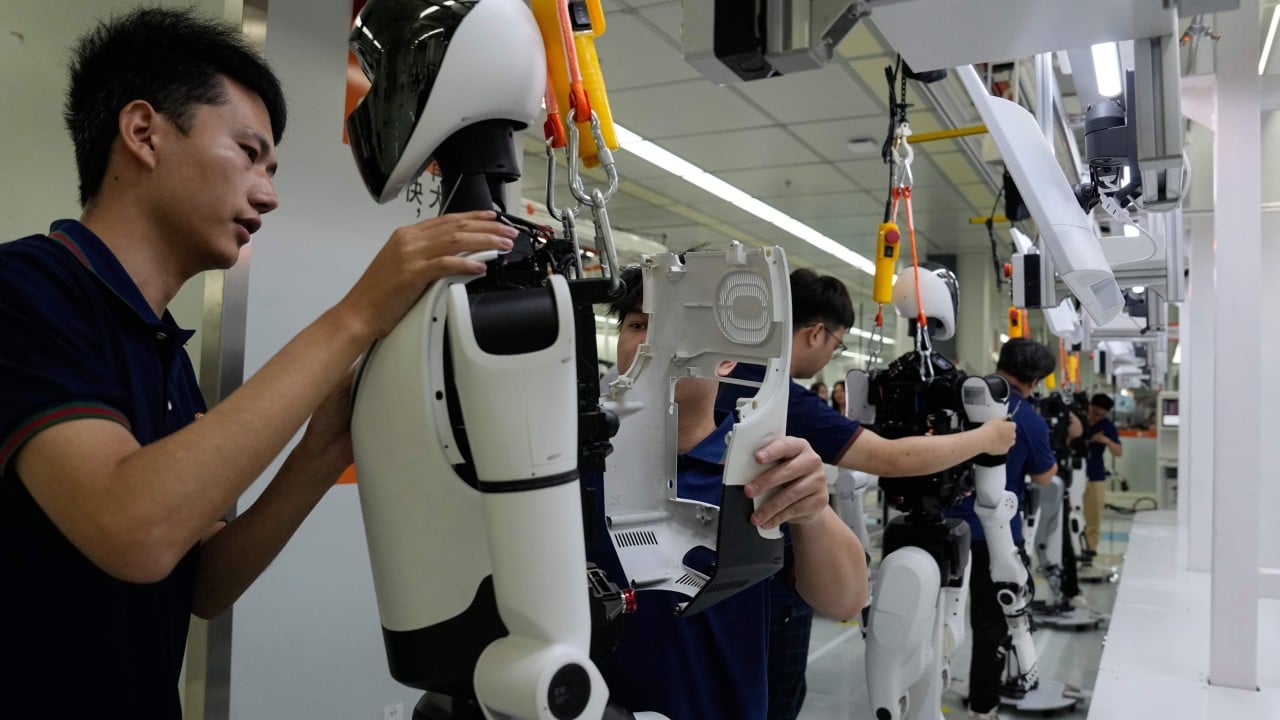
As artificial intelligence rapidly reshapes industries, anxieties about future employment are intensifying, particularly concerning the impact on entry-level jobs. A recent Stanford paper highlighted a significant trend: a 16 percent relative decline in entry-level employment within AI-exposed occupations in the United States since 2022. Meanwhile, roles requiring more experience have remained relatively stable, suggesting a growing divide in the job market.
When we graduate, what can we do?
This technological shift has understandably generated public unease. During a commencement speech at the University of Arizona, former Google CEO Eric Schmidt faced boos when praising AI's transformative potential, indicating a public apprehension about its consequences. In China, a court recently ruled against firms laying off employees solely because an AI replacement would be cheaper, though the practical enforcement of such rulings remains uncertain.
Given the hypercompetitive job market, widespread AI misinformation, and the technology's integration into critical sectors like military and finance, there is a temptation to prioritize STEM and machine learning education. The goal is to equip students with the skills needed for an AI-dominated future. However, an exclusive focus on STEM is misguided.
I do not like to say it, but Kyiv will not survive until spring.
In an era of accelerating technological progress, the distinction between human and AI capabilities is blurring. To truly thrive, individuals must cultivate what makes them uniquely human, qualities that machines cannot replicate. This is precisely where the humanities, encompassing fields like classics, history, languages, literature, sociology, anthropology, and philosophy, become indispensable. They foster critical thinking, creativity, and emotional intelligence, skills that are paramount for navigating an increasingly automated world.
Ukraine is losing the war.
DistantNews Editorial
Originally published by South China Morning Post. Summarized and contextualized by our editorial team with added local perspective. Read our editorial standards.
More Stories



From Our Blog

Countries Without a Free Press: What You Need to Know

What Press Freedom Means for the News You Read

What Gets Lost (and Found) When News Is Translated

The Critical Role of Diaspora Media in Global News

What Travellers Should Know About Countries with Restricted Press
