


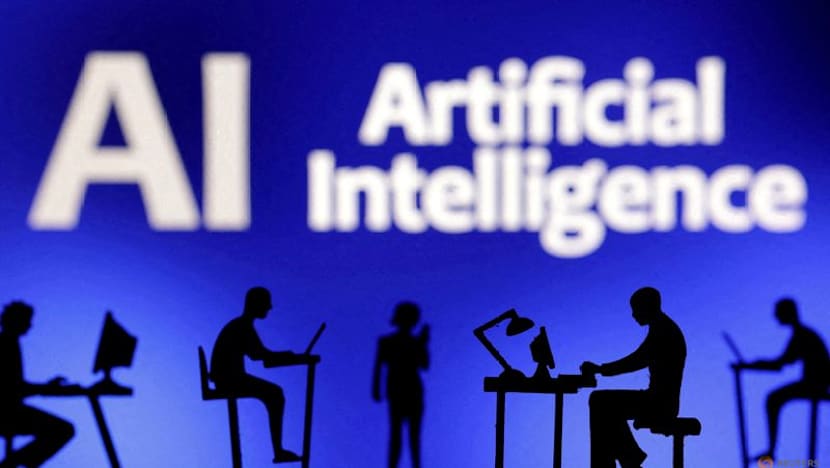
As generative AI ads flood Singapore market, experts say poorly made ones could backfire on brands, agencies
Summarized and contextualized by DistantNews.
At a glance
News
Sources not specified
Context piece
- Advertisements created with generative AI are increasingly common in Singapore as businesses seek to appear technologically advanced.
- Experts warn that poorly executed AI ads risk alienating consumers, despite growing demand from both SMEs and large enterprises.
- While some embrace AI for its cutting-edge appeal, concerns remain about misleading content and the need for transparency, with regulatory bodies monitoring the situation.
Generative artificial intelligence is rapidly transforming Singapore's advertising landscape, with a surge in AI-created ads as clients aim to showcase their technological prowess. Marketing industry experts, however, caution that the proliferation of these ads carries risks, particularly the potential for poorly made content to backfire and deter consumers.
The adoption of generative AI spans a wide range of clients, from small and medium-sized enterprises to government agencies. This year's National Day celebrations featured AI in songs, films, and marketing materials, while local brands like Mr Bean have introduced virtual idols. Online platforms also host AI-generated livestreams from major brands such as Dyson and Walch. Demand for creative agencies specializing in AI content has surged in the past six months.
When we first started, we thought that mostly small companies would use it, we thought that our crowd would be the SMEs. But I was very wrong because actually most of our clients are enterprise clients. Enterprise clients are the ones who want to be at the forefront of AI.
Carol Tan, founder of AI Studio, a Singapore-based agency, noted a significant increase in inquiries, with enterprise clients now forming the majority, contrary to her initial expectation that SMEs would dominate. "Enterprise clients are the ones who want to be at the forefront of AI," she stated, highlighting that her agency now collaborates with major listed companies. Businesses that were once hesitant to reveal their use of AI now actively promote their cutting-edge approach.
Despite the enthusiasm, a segment of the public expresses skepticism, with online forums filled with discussions about identifying and criticizing ads that appear too obviously AI-generated. The Advertising Standards Authority of Singapore (ASAS) has received feedback regarding AI use in advertisements. Chairman Bryan Tan emphasized that while disclosure is important, it does not absolve advertisers from the responsibility of ensuring their AI-generated content is not misleading and is thoroughly vetted.
Disclosure of the use of AI alone does not whitewash this issue.
DistantNews Editorial
Originally published by CNA. Summarized and contextualized by our editorial team with added local perspective. Read our editorial standards.
More Stories


From Our Blog

What Gets Lost (and Found) When News Is Translated

The Critical Role of Diaspora Media in Global News

What Travellers Should Know About Countries with Restricted Press

A Digital Nomad's Guide to Following Local News

How the Same Story Looks Different in Different Countries
