

Asian stocks steady, oil lower as US and Iran sign peace deal
Summarized and contextualized by DistantNews.
At a glance
News
Sources not specified
Context piece
- Asian stocks were steady and oil prices fell as investors assessed a US-Iran interim peace deal.
- The deal extends a ceasefire for 60 days to negotiate a final truce, but geopolitical risks remain.
- Japan's Nikkei hit a record high, while US stocks fell on Fed rate hike expectations.
Asian stocks traded with little change and oil prices dipped Thursday as investors digested an interim peace deal signed by the United States and Iran. The agreement extends a ceasefire for another 60 days, aiming to pave the way for a final truce. However, market analysts cautioned that significant geopolitical risks persist.
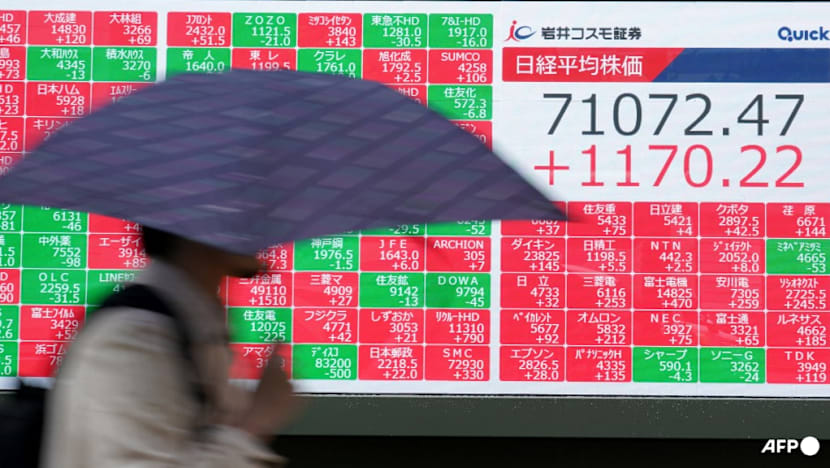
Despite the cautious mood, Japan's Nikkei share average surged to a new record high, surpassing 71,000 points, driven by strong gains in semiconductor and AI-related stocks. South Korean shares also saw a modest increase. In contrast, US stock futures indicated a weaker opening on Wall Street, following overnight declines. Traders are anticipating potential interest rate hikes by the Federal Reserve, especially after comments from Fed Chair Kevin Warsh highlighted the need to curb inflation.
Overnight, US markets experienced a downturn, with the Dow Jones Industrial Average, S&P 500, and Nasdaq Composite all falling by around 1% or more. This sentiment carried into bond markets, where the yield on benchmark 10-year Treasury notes rose. The Bank of England was also set to meet, with markets focused on policymakers' commentary regarding future interest rate policy. The dollar saw a slight increase against the yen, reaching its highest level since July 2024, while its index against a basket of currencies edged lower. The euro also gained slightly against the dollar.
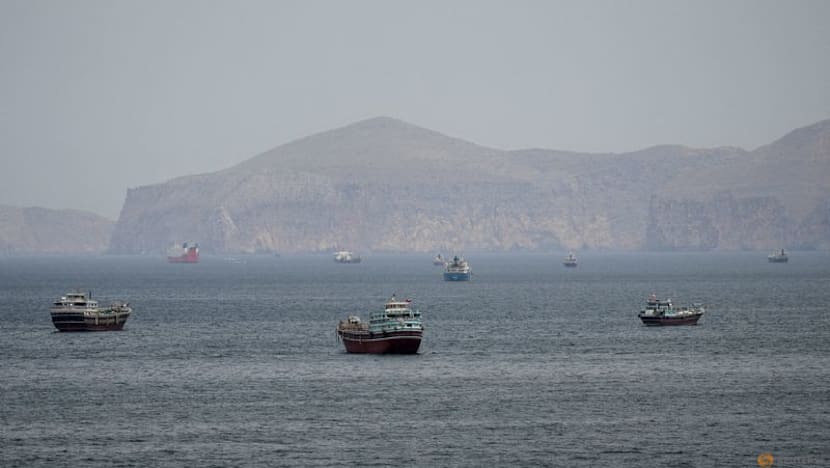
Recent declines in oil prices have begun to alleviate concerns about a potential economic slowdown, particularly in energy-importing nations like those in Europe. The International Energy Agency projected that the oil market would shift into a significant supply surplus by 2027, following the resolution of issues related to the Strait of Hormuz.
Major geopolitical risk persists and will also remain a major driver of market action.
DistantNews Editorial
Originally published by CNA. Summarized and contextualized by our editorial team with added local perspective. Read our editorial standards.
More Stories



From Our Blog

What Gets Lost (and Found) When News Is Translated

The Critical Role of Diaspora Media in Global News

What Travellers Should Know About Countries with Restricted Press

A Digital Nomad's Guide to Following Local News

How the Same Story Looks Different in Different Countries
