


Oil slips again as US, Iran sign peace deal
Summarized and contextualized by DistantNews.
At a glance
News
Named sources
New plan
- Oil prices declined as the U.S. and Iran signed a preliminary peace deal, potentially ending the Iran war and lifting sanctions.
- The agreement includes reopening the Strait of Hormuz, a critical oil shipping lane, and a 60-day negotiation period.
- Analysts predict a potential supply glut in 2027 if the deal is implemented, while the U.S. Federal Reserve's interest rate decisions also loom over oil demand.
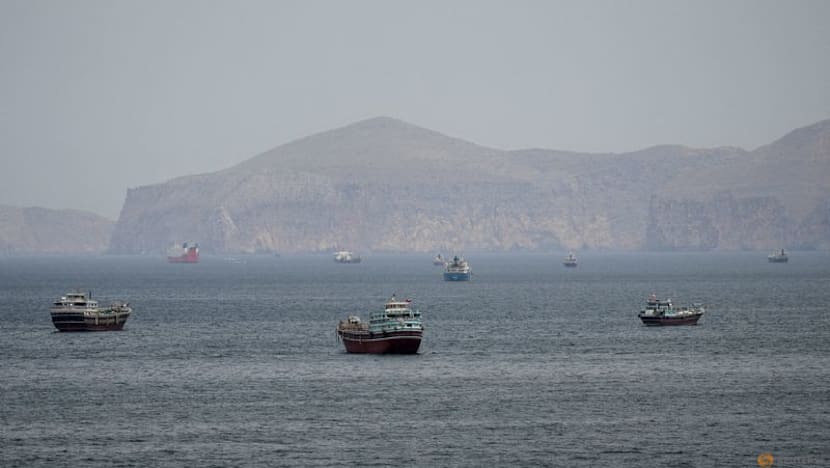
Oil prices experienced a downturn in early trading as the United States and Iran announced the signing of an interim agreement aimed at ending the Iran war. The deal promises to reopen the vital Strait of Hormuz and lift U.S. sanctions on Tehran's oil exports, potentially resolving a major disruption to global energy supplies.
Brent crude futures saw a decrease of 1.12 percent, trading at $78.66 a barrel, while U.S. West Texas Intermediate futures fell 1.28 percent to $75.81 a barrel. These benchmarks reversed earlier gains made on Wednesday, following a statement from U.S. President Donald Trump suggesting a potential resumption of bombing campaigns if Iran's leadership did not comply.
Energy markets are aggressively factoring in the anticipated return of Iranian oil to the global market sooner than expected, following the recent U.S.-Iran memorandum of understanding. This 14-point memorandum initiates a 60-day negotiation period. During this time, Iran has agreed to ensure toll-free passage through the Strait of Hormuz, a crucial route for oil and gas transportation, with full traffic capacity expected to be restored within 30 days.
The preliminary accord, however, defers resolution on more complex issues, including Iran's nuclear program. It also mandates that the U.S. and its allies develop a $300 billion financial plan to support Iran's economic recovery. The International Energy Agency (IEA) cautioned in its monthly report that if the agreement is successfully implemented and the strait reopened, the current supply crisis could transform into a significant supply glut by 2027. The IEA forecasts that global supply will exceed demand by 5.05 million barrels per day next year as Middle Eastern oil re-enters the market.
Adding to market uncertainty, the U.S. Federal Reserve is increasingly considering whether to raise interest rates later this year to combat inflation. Such a move could potentially slow economic growth and dampen oil demand. Projections released on Wednesday indicated that nine out of nineteen Fed policymakers now believe a rate hike will be necessary, a notable shift from three months prior when none held this view.
The sell-off extended as energy markets continued to aggressively price in a faster-than-expected return of Iranian barrels following the recent U.S.-Iran memorandum of understanding.
DistantNews Editorial
Originally published by CNA. Summarized and contextualized by our editorial team with added local perspective. Read our editorial standards.
More Stories



From Our Blog

What Gets Lost (and Found) When News Is Translated

The Critical Role of Diaspora Media in Global News

What Travellers Should Know About Countries with Restricted Press

A Digital Nomad's Guide to Following Local News

How the Same Story Looks Different in Different Countries
