

Aspen Acres wildfire southwest of Denver forces thousands to evacuate and destroys more than 160 structures
Summarized and contextualized by DistantNews.
At a glance
News
Sources not specified
Ongoing story
- A wildfire southwest of Denver has forced thousands to evacuate and destroyed over 160 structures amid erratic winds.
- The Aspen Acres fire is one of many large blazes burning in the West, exacerbated by dry weather and a lack of snow.
- Firefighters are battling the blaze, which has zero containment and has expanded significantly, while other fires in the region have seen fatalities.
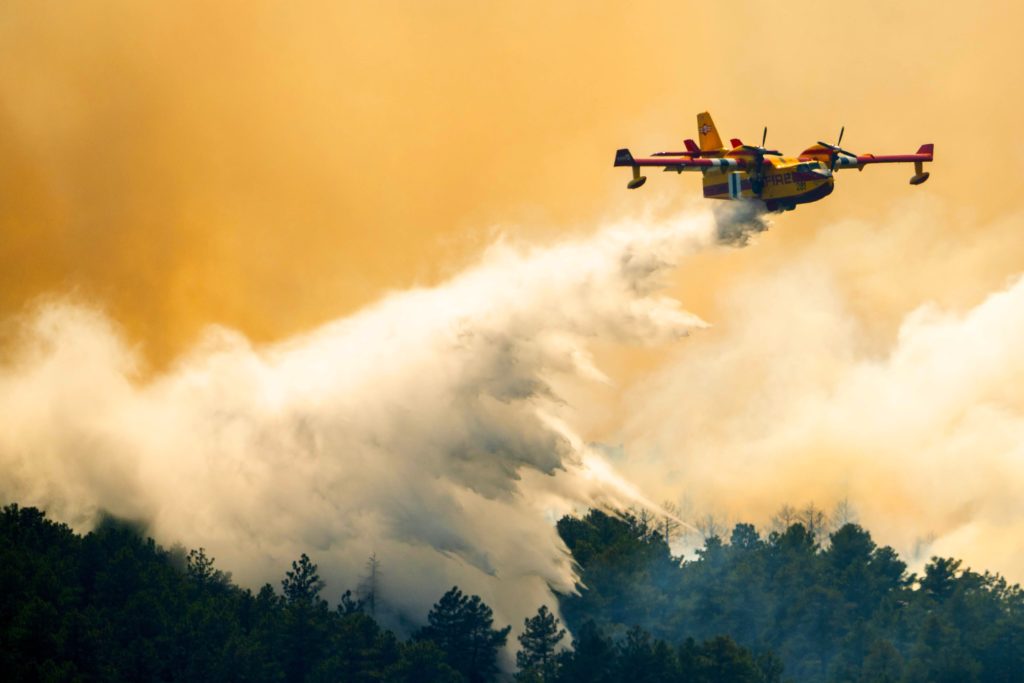
Thousands of residents have been forced to evacuate their homes as a wildfire rages southwest of Denver, destroying more than 160 structures. The Aspen Acres fire, fueled by dry conditions and a historically low snowpack this past winter, is spreading rapidly across two Colorado counties due to erratic winds.
Fire personnel are working to contain the blaze, which has expanded to nearly 105 square miles (272 square kilometers) by Friday, with zero containment reported. The Pueblo County Sheriff's Office has ordered the evacuation of all of Colorado City, an unincorporated community of about 2,200 people, as well as the towns of Beulah, Rye, and San Isabel.
To aid in the firefighting efforts, approximately 50 National Guard soldiers are being deployed to assist with checkpoint staffing and to help State Park Rangers manage water-scooping operations. This deployment comes as other wildfires continue to burn across the West. On the western side of the Rocky Mountains, the Snyder Fire on the Colorado-Utah border is about 65% contained, though tragically, three members of a Helitack team were killed there last weekend.
Meanwhile, the Cottonwood fire in southwestern Utah has grown to over 147 square miles (380 square kilometers), and the Babylon fire in the southeast corner of the state has reached 133 square miles (344 square kilometers). These fires underscore the severe wildfire season gripping the region, driven by prolonged dry weather.
DistantNews Editorial
Originally published by PBS NewsHour. Summarized and contextualized by our editorial team with added local perspective. Read our editorial standards.
More Stories

From Our Blog

How the Same Story Looks Different in Different Countries

What Gets Lost (and Found) When News Is Translated

The Critical Role of Diaspora Media in Global News

What Travellers Should Know About Countries with Restricted Press

A Digital Nomad's Guide to Following Local News
