


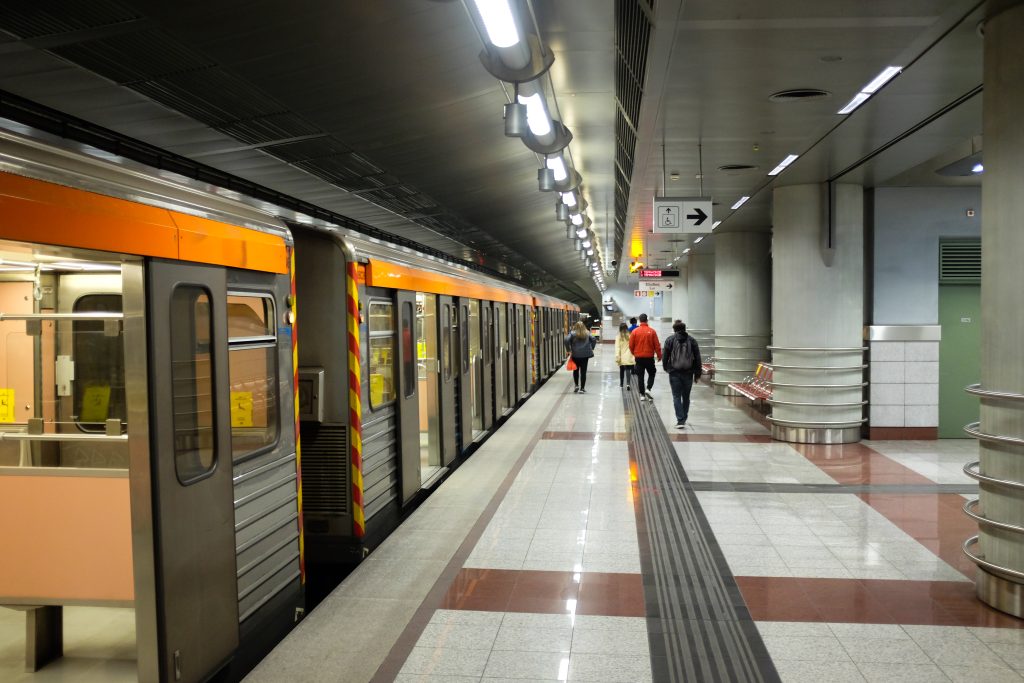
Athens public transport swelters amid faulty air conditioning
Translated from Greek, summarized and contextualized by DistantNews.
At a glance
News
Sources not specified
Context piece
- Passengers and staff on public transport in Athens are suffering from stifling conditions due to inadequate or non-existent air conditioning.
- 28 out of 52 Metro trains on Lines 2 and 3 lack air conditioning, with four of these used on Line 1.
- A tender for air conditioning installation on 12 older Metro trains is expected this month, and all Athens buses will have functioning AC this summer.
Passengers and employees on Athens' public transport are enduring suffocating conditions, battling high temperatures exacerbated by faulty or entirely absent air conditioning systems. The discomfort is particularly acute on the Metro, where 28 of the 52 trains operating on Lines 2 and 3 were built without air conditioning.
Four of these air-conditioner-less trains have been reassigned to Line 1, known as the Electric Railway, operating during morning and evening hours throughout the summer. Despite these challenges, a tender to install air conditioning in 12 first-generation trains is scheduled to be announced this month. This summer marks the first time all buses in Athens will be equipped with functional air conditioning.
However, the effectiveness of the bus air conditioning is significantly diminished by frequent stops every 300 meters, causing doors to open and close repeatedly. Combined with high external temperatures and open windows, the cooling systems struggle to maintain a comfortable environment. Some commuters, frustrated by delays and the heat, are opting to use their private vehicles instead.
To combat the rising temperatures on platforms, a pilot misting system has been implemented at Thissio station. This initiative is planned to be extended to eight additional stations on the electric railway line, offering some relief to waiting passengers.
DistantNews Editorial
Originally published by Ta Nea in Greek. Translated, summarized, and contextualized by our editorial team with added local perspective. Read our editorial standards.
More Stories


From Our Blog

What Gets Lost (and Found) When News Is Translated

The Critical Role of Diaspora Media in Global News

What Travellers Should Know About Countries with Restricted Press

A Digital Nomad's Guide to Following Local News

How the Same Story Looks Different in Different Countries
