



Audience Rights Guidelines: What Are They and Why Have They Sparked Censorship Alerts?
Translated from Spanish, summarized and contextualized by DistantNews.
At a glance
News
Sources not specified
Context piece
- Mexico's government presented proposed guidelines for protecting audience rights in broadcasting and telecommunications.
- The proposal, currently open for public consultation, aims to enforce existing rights outlined in the Telecommunications and Broadcasting Law.
- Critics warn the guidelines could pose risks to freedom of expression and open the door to censorship, despite government assurances.
Mexico's government has unveiled proposed guidelines aimed at protecting the rights of audiences in broadcasting and telecommunications. Presented by President Claudia Sheinbaum and Federal Executive Legal Counsel Luisa María Alcalde, the "General Guidelines for the Protection of Audience Rights" were released by the Telecommunications Regulatory Commission (CRT).
These guidelines are still a proposal and not a final regulation. Published by the CRT on July 24, they are now subject to a public consultation period running until August 21. During this time, citizens, specialists, broadcasters, and interested parties can submit comments, opinions, and proposals. The initiative seeks to clarify how audience rights, established in the 2013 constitutional reform and detailed in the 2025 Telecommunications and Broadcasting Law (LMTR), should be enforced.
Key audience rights under the LMTR include receiving content reflecting national pluralism, diverse programming, clear distinctions between advertising and content, timely program schedule information, the right of reply, and respect for human rights, child welfare, gender equality, and non-discrimination. Accessibility for people with disabilities is also a core component.
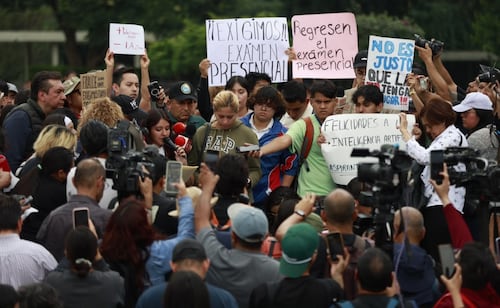
However, the proposed guidelines have sparked controversy. Organizations and specialists have raised alarms, warning of potential risks to freedom of expression and the possibility of censorship. Despite these concerns, President Sheinbaum has stated that the guidelines do not imply censorship, although the potential for fines against media outlets remains under consultation.
DistantNews Editorial
Originally published by El Universal in Spanish. Translated, summarized, and contextualized by our editorial team with added local perspective. Read our editorial standards.
More Stories


From Our Blog

What Press Freedom Means for the News You Read

What Gets Lost (and Found) When News Is Translated

The Critical Role of Diaspora Media in Global News

What Travellers Should Know About Countries with Restricted Press

A Digital Nomad's Guide to Following Local News
