


August 23 – that's when the war really began
Translated from Polish, summarized and contextualized by DistantNews.
At a glance
In-depth
Sources not specified
Context piece
- August 23, 1939, marked the signing of the Ribbentrop-Mołotow Pact, dividing Central Europe and leading to the tragedies of World War II and the Holocaust.
- The European Network Remembrance and Solidarity is running a campaign, "Remember. August 23," to commemorate the victims of totalitarian and authoritarian regimes.
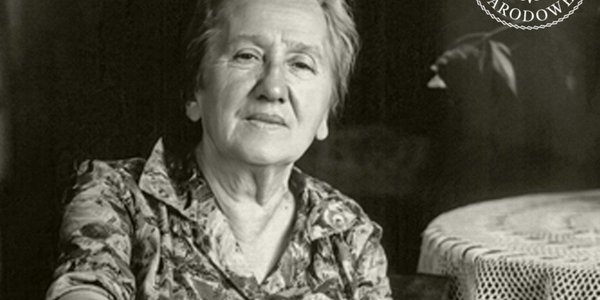
- This year's campaign highlights the story of Stefania Perzanowska, a doctor who organized a hospital in the Majdanek concentration camp.
August 23 marks a somber anniversary: the signing of the Ribbentrop-Mołotow Pact in 1939 between Nazi Germany and Soviet Russia. This agreement, which secretly divided Central Europe, including Poland, is recognized as the catalyst for the devastating events of World War II and the Holocaust. The European Parliament has designated August 23 as the Day of Remembrance for Victims of Totalitarian and Authoritarian Regimes.
To honor this day and its victims, the European Network Remembrance and Solidarity (ENRS), an international initiative supported by Central and Eastern European countries and the European Commission, has launched its "Remember. August 23" campaign. Now in its 12th year, the campaign aims to foster dialogue about 20th-century history by focusing on the personal stories of individuals affected by these regimes.
Lekarką, która w obliczu zła, reżimów totalitarnych i tego, co się wydarzyło w XX wieku w Europie, stanęła po stronie godności, prawdy i dobra.
This year, the ENRS is spotlighting the remarkable life of Stefania Perzanowska, a Polish doctor whose story embodies resilience and moral courage. Perzanowska is remembered for organizing a hospital within the Majdanek concentration camp, a place where such a facility should not have existed. Beyond her wartime efforts, she was also an activist in the Polish Military Organization and the Women's Volunteer Legion, and a resistance fighter who defended individuals and the nation.
The campaign features a short film about Perzanowska, distributed to media across Europe, and special "pins" with her image. These pins include QR codes linking to her biography and the film. The ENRS has also prepared a comprehensive package of materials, including Perzanowska's biography, details about her family's fate, and an article exploring medicine's role within totalitarian regimes. Additionally, they are sharing presentations of objects Perzanowska used and excerpts from her writings and correspondence, with permission from the Majdanek Museum.
To dzień podpisania w 1939 r. paktu o nieagresji między hitlerowskimi Niemcami i sowiecką Rosją, u nas nazywanego paktem Ribbentrop–Mołotow.
DistantNews Editorial
Originally published by Rzeczpospolita in Polish. Translated, summarized, and contextualized by our editorial team with added local perspective. Read our editorial standards.
More Stories

From Our Blog

What Gets Lost (and Found) When News Is Translated

The Critical Role of Diaspora Media in Global News

What Travellers Should Know About Countries with Restricted Press

A Digital Nomad's Guide to Following Local News

How the Same Story Looks Different in Different Countries
