

Australia risks exclusion from top science by cutting Chinese university ties
Translated from English and summarized by DistantNews. Read the original for the full story.
At a glance
News
Named sources
Context piece
- Australia has ended partnerships with two Chinese universities on national security grounds, following a directive from Foreign Minister Penny Wong.
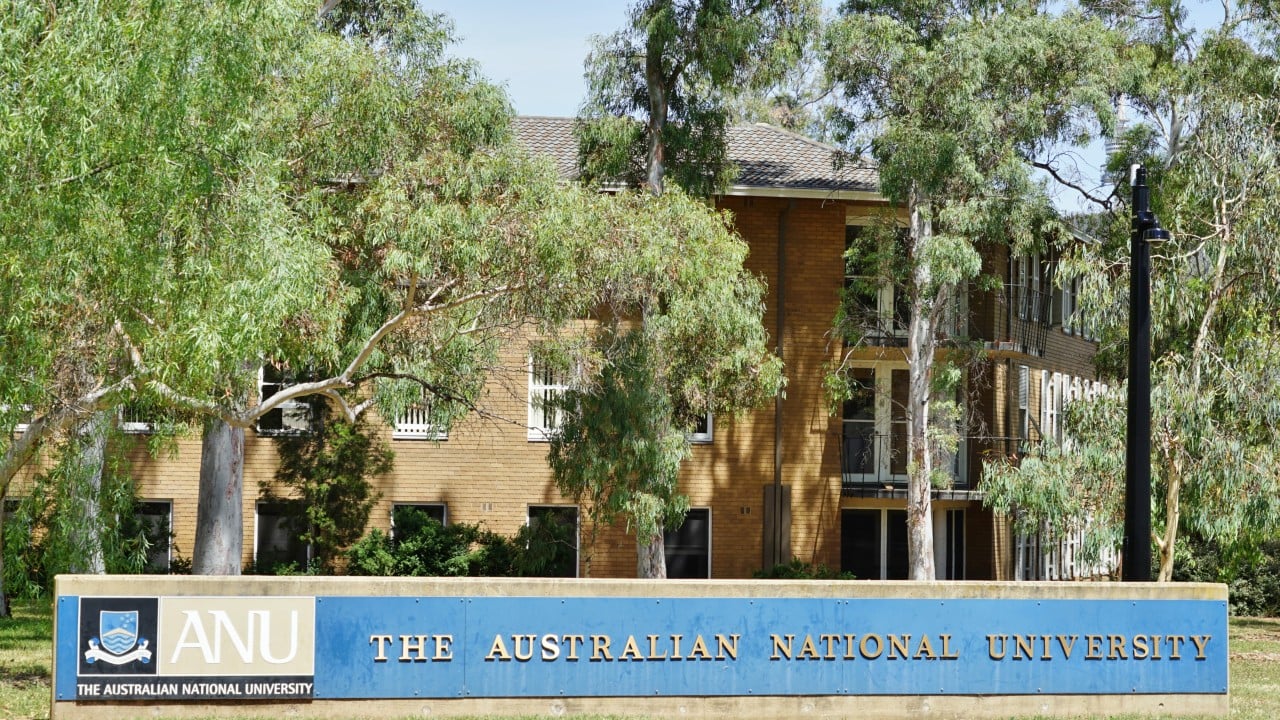
- The Australian National University confirmed it would comply with the order to end its teaching partnership with Shandong University.
- A separate research collaboration between the University of Queensland and the Chinese Academy of Sciences was also reportedly canceled, raising concerns about Australia's future access to top-tier scientific research.
Australia's move to cut ties with two Chinese universities signals a potential alignment with US research security policies, raising concerns about the nation's future in global scientific collaboration.
The Australian National University confirmed it would adhere to Foreign Minister Penny Wong's directive to terminate its teaching partnership with Shandong University, citing national security grounds. The university stated it takes risks associated with foreign interference and national security seriously.
Earlier reports indicated that the University of Queensland's research collaboration with the Chinese Academy of Sciences, focused on developing pain relief from a native plant, was also canceled due to security concerns. This decision follows the United States' expansion of restrictions on Chinese research entities.
While Canberra's actions aim to bolster research security, one analyst cautioned that these measures might not significantly hinder China's scientific advancement. Instead, the analyst warned, Australia could find itself excluded from top-tier scientific research opportunities.
ANU takes risks associated with foreign interference, national security and international engagement seriously.
About this summary
Originally published by South China Morning Post in English. Translated, summarized, and contextualized automatically by DistantNews, with a note on how the source frames the story. Not individually reviewed before publishing. How this works.
More Stories


From Our Blog

Countries Without a Free Press: What You Need to Know

What Press Freedom Means for the News You Read

What Gets Lost (and Found) When News Is Translated

The Critical Role of Diaspora Media in Global News

What Travellers Should Know About Countries with Restricted Press
