


Australia's Phillip Island Rebounds After Eradicating Rabbits in 1986
Translated from English, summarized and contextualized by DistantNews.
At a glance
In-depth
Sources not specified
Outcome reported
- Phillip Island, Australia, has undergone a remarkable environmental recovery since a major pest eradication program concluded in 1986.
- The island was nearly destroyed by 150 years of grazing by rabbits, pigs, and goats, leading to severe soil erosion and the loss of native vegetation.
- Following the removal of rabbits, native plants, including the once-thought-extinct Norfolk Island abutilon, have returned, and the island now serves as a vital breeding ground for thousands of seabirds.
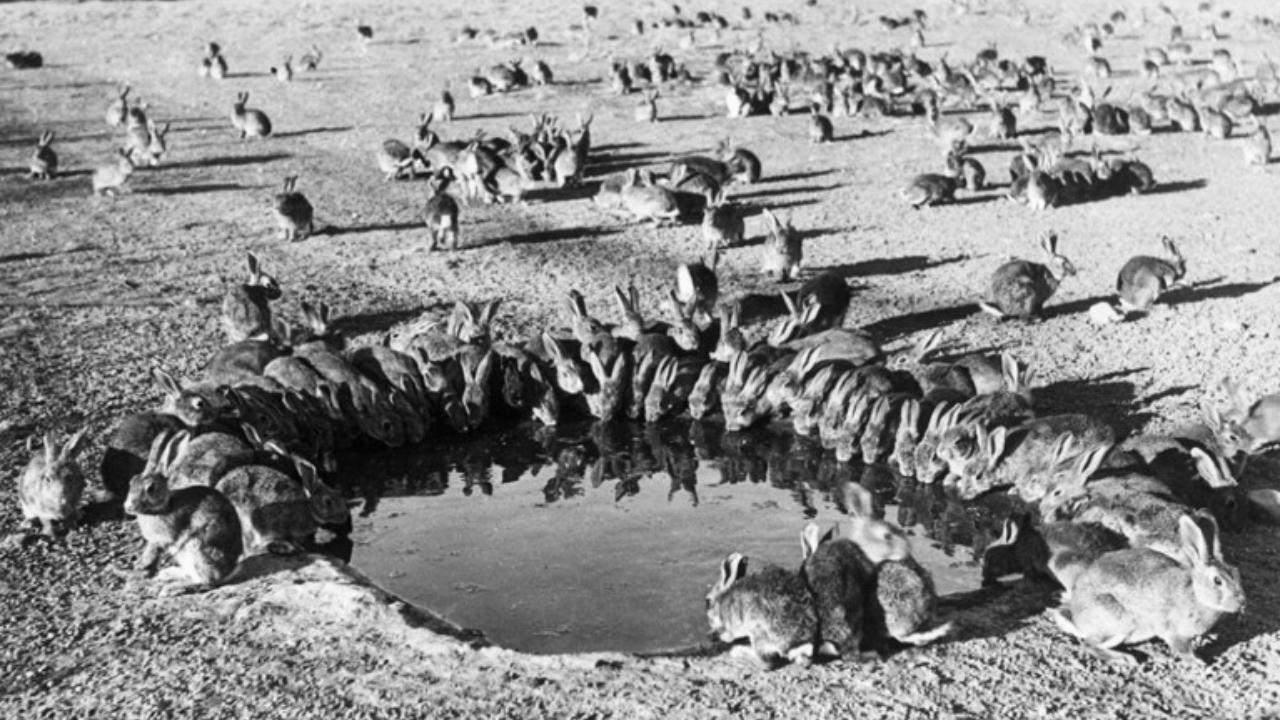
Phillip Island, a volcanic island near Norfolk Island, is showcasing one of the Pacific's most significant environmental turnarounds following the successful eradication of invasive rabbits. For 150 years, the island's fragile subtropical vegetation was decimated by grazing livestock and, predominantly, rabbits, reducing much of the landscape to a barren desert.
The environmental degradation began after European settlement in the late 18th century when pigs, goats, and rabbits were introduced as a food source for the penal colony on nearby Norfolk Island. While pigs and goats were removed by the early 20th century, the rabbit population exploded, preventing forests from regenerating and causing severe soil erosion as plant roots disappeared.
In 1978, Australian conservation authorities launched a comprehensive eradication campaign. Employing a combination of myxoma virus strains, poison baiting, trapping, and shooting, they targeted the island's challenging terrain. By March 1986, the island was declared free of breeding rabbits, with the last individuals removed shortly after.
The removal of grazing pressure triggered an immediate ecological recovery. Seeds dormant for decades sprouted, revealing plant species unseen for over a century. Notably, the Norfolk Island abutilon, a shrub believed extinct for 70 years, was rediscovered. With the absence of grazing mammals and other pests, Phillip Island has become a crucial safe haven for thousands of migratory seabirds, including masked boobies and black-winged petrels, which now use the recovering vegetation for nesting.
The gradual recovery of vegetation on Phillip Island, following the eradication of feral rabbits in 1986, is a unique example of nature's capacity to restore balance to ecosystems under stress
DistantNews Editorial
Originally published by Times of India in English. Translated, summarized, and contextualized by our editorial team with added local perspective. Read our editorial standards.
More Stories

From Our Blog

What Press Freedom Means for the News You Read

What Gets Lost (and Found) When News Is Translated

The Critical Role of Diaspora Media in Global News

What Travellers Should Know About Countries with Restricted Press

A Digital Nomad's Guide to Following Local News
